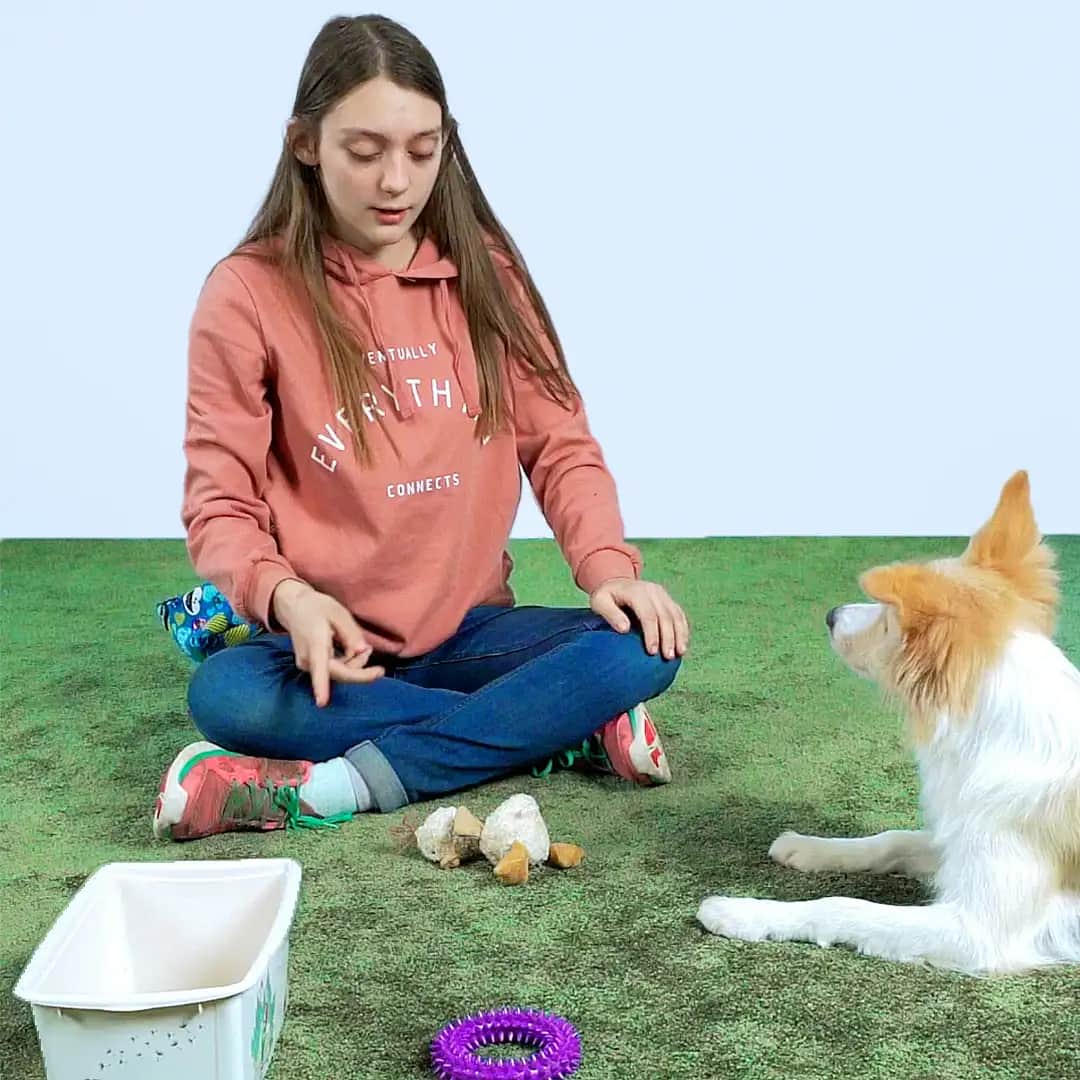

Points clés
- Pourquoi les chiens aboient-ils ? Les chiens aboient pour toutes sortes de raisons : peur, excitation, ennui ou simplement pour communiquer.
- Causes fréquentes : Les principales causes sont les mauvaises habitudes, l'excitation, la peur et l'ennui.
- Entraînement anti-aboiement : Une méthode en 5 étapes utilisant un mot commandement, des récompenses et une pratique régulière aide à contrôler les aboiements.
- Situations spécifiques : Causes et solutions différentes selon que le chien aboie à la maison, seul, en laisse ou face à d'autres chiens.
- Bénéfices : Ces stratégies et méthodes d'entraînement améliorent le comportement de ton chien et créent un foyer plus serein.
Rien ne vaut une promenade tranquille avec son chien. Mais ce calme peut disparaître rapidement quand ton chien aboie sans arrêt. C'est encore pire quand il le fait à la maison, pour vous et tes voisins. Ne vous inquiétez pas, avec ce guide, vous et ton chien pourrez retrouver la tranquillité.
Pourquoi les chiens aboient-ils ?

Avant de pouvoir arrêter les aboiements, tu dois comprendre pourquoi ton chien aboie. Est-ce de la peur, de l'excitation ou de l'ennui ?
Aboyer est un élément essentiel de la communication des chiens entre eux. Ils l'utilisent pour partager toutes sortes d'informations, et les raisons varient beaucoup. Parfois ton chien aboie pour prévenir d'un danger. D'autres fois, il aboie simplement parce qu'il en a envie. Aboyer est essentiellement le langage du chien, sa façon de parler aux autres.
Au fait : Ton chien utilise aussi les aboiements pour communiquer avec les personnes autour de lui.
Si tu as ton chien depuis un moment, tu peux probablement déterminer ce qui se cache derrière les aboiements assez rapidement. Mais si tu es novice, vous n'avez peut-être pas encore cet instinct. Ne vous inquiétez pas, ça viendra. Dans quelques mois, vous comprendrez ton chien comme une seconde nature.
Pour traiter efficacement les aboiements de ton chien, il est utile de reconnaître les déclencheurs spécifiques et ce que signifient réellement les différents aboiements. Une fois que tu comprends le « pourquoi », tu peux développer les bonnes stratégies pour y faire face.
Les chiots
Les chiots aboient pour beaucoup des mêmes raisons que les chiens adultes. Voici quelques-uns des déclencheurs les plus courants :
- Communication : Ton chiot essaie de vous dire quelque chose, ou de dire quelque chose à d'autres chiens, peut-être une invitation à jouer ou une demande d'attention.
- Peur : Les jeunes chiens découvrent encore le monde, et tout est nouveau. Un bruit inattendu ou une expérience inconnue peut surprendre ton chiot et déclencher des aboiements.
- Excitation : Les chiots s'excitent facilement, surtout quand ils rencontrent de nouvelles personnes ou de nouveaux animaux. Cette excitation se traduit souvent par des aboiements.
- Douleur : Si ton chiot a mal, il peut aboyer pour vous le faire savoir.
- Faim : Un chiot affamé peut aboyer pour vous signaler que c'est l'heure du repas.
- Réaction aux sons : Les chiots réagissent souvent aux bruits autour d'eux, que ce soit un téléphone qui sonne ou la circulation dehors.
- Recherche d'attention : Les chiots adorent l'attention et peuvent aboyer pour l'obtenir.
- Ennui : Quand un chiot n'a rien à faire, il peut commencer à aboyer juste pour s'occuper.
- Apprentissage de la vocalisation : Les chiots apprennent à utiliser leur voix. Aboyer fait partie de cette phase de développement pendant laquelle ils expérimentent différentes formes de communication.
Pour comprendre pourquoi ton chiot aboie, faites attention aux circonstances. Observez son langage corporel et son environnement pour trouver des indices sur ce qui déclenche les aboiements. N'oubliez pas qu'il faut de la patience et un entraînement régulier pour apprendre à ton chiot quand aboyer est acceptable et quand ce ne l'est pas. Utilisez le renforcement positif pour récompenser le comportement calme et aider ton chiot à prendre de bonnes habitudes.
Comme vous l'avez déjà appris, les chiens aboient pour communiquer. Donc aboyer occasionnellement, surtout en cas de danger, est tout à fait naturel. C'est leur façon de sonner l'alarme. Cela dit, ton chien peut aussi aboyer trop souvent ou sans arrêt, ce qui peut vous déranger, déranger tes voisins et les passants.
Les chiens aboient souvent par ennui. Les promenades quotidiennes, les sessions de jeu et l'entraînement font beaucoup de bien. La plupart du temps, il y a une cause sous-jacente que tu peux corriger. Voici les plus courantes :
- Mauvaise habitude
- Excitation
- Peur
- Ennui Ces quatre raisons sont les principales causes des aboiements excessifs. Avec un peu de patience, tu peux traiter chacune d'elles.
Le renforcement inconscient peut être la cause des aboiements fréquents. Dans ce cas, ton chien développe des aboiements exigeants pour obtenir ce qu'il veut. Les déclencheurs les plus courants ? Mendier une friandise ou réclamer une promenade. Ton chien essaie essentiellement de diriger ta relation par ce comportement.
Avec de la patience, tu peux rompre cette habitude. D'abord, comprenez pourquoi ton chien aboie. Observez-le attentivement. S'il se tient à la porte en aboyant sans cesse, il a probablement besoin de sortir. Si tu as déjà des horaires de promenade fixes et que ton chien aboie en dehors de ces horaires, c'est une habitude à briser.
Tu remarqueras peut-être que ton chien aboie beaucoup quand des visiteurs arrivent ou quand il est généralement stressé. Ce type d'aboiement est plus difficile à arrêter car c'est un instinct naturel, pas une mauvaise habitude. Si ton chien est trop excité, tu peux l'aider en abaissant son niveau d'adrénaline. Un événement stressant approche-t-il (comme une visite chez le vétérinaire) ou attends-toi beaucoup d'invités ce week-end ?
Planifiez à l'avance des activités qui fatigueront ton chien et feront baisser son niveau d'énergie. Si tu as un chien craintif, il y a de fortes chances d'aboiements excessifs. Le plus souvent, cela provient d'un traumatisme passé qui n'a peut-être rien à voir avec vous. Si ton chien aboie fréquemment par peur, commencez par trouver et traiter la cause profonde.
Y a-t-il des situations spécifiques où ton chien réagit avec crainte ? Dans certains cas, un remède calmant naturel peut aider. Mais ce n'est généralement pas une solution à long terme. C'est pourquoi il est préférable d'identifier et de traiter la source de la peur de ton chien dès que possible. Si ton chien ne reçoit pas suffisamment de stimulation pendant la journée, il peut aboyer par pur ennui. C'est un comportement instinctif, mais tu peux y remédier en vous assurant que ton chien a beaucoup à faire.
Essaie de laisser ton chien seul le moins possible. Tu as encore le travail et les responsabilités quotidiennes. Mais assure-toi que ton chien a de quoi s'occuper quand tu es absent. As-tu l'espace et le budget pour un deuxième chien ? Si oui, cela vaut la peine d'y réfléchir. Les chiens ne sont pas des solitaires, ils vivent naturellement en meute. Si ton chien passe plusieurs heures seul par jour, cette solitude peut se manifester par des aboiements excessifs. Un compagnon peut faire une grande différence.
Vous n'avez pas l'espace ou le budget pour un autre chien ? Concentre-toi alors sur ceci : Rendez le temps que tu passes avec ton chien, idéalement juste avant et après le travail, particulièrement actif.
Si ton chien devient soudainement agité, faites-y très attention. Voici à quoi cela peut ressembler : tu connais bien ton chien. Les aboiements constants n'étaient jamais un problème avant. Puis, de nulle part, son comportement change. Si cela vous semble familier, prenez rendez-vous chez le vétérinaire.
Il peut y avoir des problèmes sous-jacents, comme un problème physique, qui viennent de se développer. Ils peuvent déclencher des aboiements. Ton vétérinaire peut en identifier la cause lors d'un examen rapide et recommander le traitement approprié.
6 conseils utiles pour réduire les aboiements
- Assure-toi que ton chien a suffisamment d'activité et d'exercice !
- Encouragez la compagnie et l'interaction sociale !
- Restez toujours calme et patient !
- Ignorez les aboiements quelques secondes avant de réagir !
- Envisagez d'engager un pet sitter !
- Essayez l'entraînement anti-aboiement !
Autres causes :

Pour attirer l'attention : Quand ton chien s'ennuie ou veut ton attention, il peut commencer à aboyer. Il veut peut-être jouer, aller se promener ou simplement ta compagnie.
Alarme et avertissement : Les chiens aboient souvent pour alerter leurs propriétaires de menaces potentielles, un inconnu à la porte, un autre animal dans la cour ou un bruit inhabituel.
Face aux inconnus ou aux visiteurs : Certains chiens aboient quand quelqu'un d'inconnu entre dans la maison ou quand ils aperçoivent un étranger dans la rue.
Pendant le jeu : En jouant, ton chien peut aboyer pour exprimer son excitation et sa joie.
Comportement territorial : Les chiens sont naturellement territoriaux et peuvent aboyer pour défendre leur espace.
Face à d'autres chiens : Quand ils rencontrent d'autres chiens, les aboiements peuvent survenir, que ce soit par jeu ou par agressivité.
Pendant l'entraînement : Les chiens peuvent aussi aboyer pendant les sessions d'entraînement, surtout quand ils sont excités ou frustrés.
La nuit : Certains chiens aboient la nuit, réagissant peut-être à des sons qu'ils entendent ou parce qu'ils se sentent seuls.
Dans leur sommeil : Certains chiens aboient même en dormant, ce qui signifie généralement qu'ils sont en train de rêver.
Communiquer avec d'autres chiens : Les chiens se parlent entre eux par les aboiements, que ce soit pour jouer, marquer le territoire ou renforcer les liens sociaux.
Douleur ou inconfort : Quand un chien a mal ou ne se sent pas bien, il peut aboyer pour vous signaler qu'il y a un problème.
Réaction aux sons : Les chiens ont une ouïe incroyablement sensible et peuvent percevoir des sons bien trop discrets pour nous. Ils peuvent réagir à une voiture qui passe, à un téléphone qui sonne ou à une sonnette.
Prédisposition génétique : Certaines races sont simplement plus portées à aboyer que d'autres en raison de leur génétique et de ce pour quoi elles ont été initialement élevées.
Comment arrêter les aboiements, méthode en 5 étapes
L'entraînement anti-aboiement est un excellent moyen de contrôler les aboiements incessants de ton chien. Généralement, il suffit d'un peu de pratique, et ton chien appréciera vraiment le processus.

Voici comment procéder, étape par étape :
-
Choisissez un mot commandement Choisis un environnement calme, sans distractions, afin que ton chien puisse se concentrer. Choisissez un mot qui signale « arrête d'aboyer ». Ce peut être n'importe quel mot que tu souhaites, mais assure-toi qu'il est unique, n'utilisez pas un mot déjà associé à un autre commandement.
-
Déclenchez les aboiements Une fois que tu sais ce qui fait aboyer ton chien, déclenchez cette réaction intentionnellement. Laissez ton chien aboyer et attendez qu'il s'arrête de lui-même. Au moment où il est silencieux, prononcez votre mot commandement choisi d'un ton calme et apaisant.
-
Récompensez Dès que ton chien arrête d'aboyer, félicitez-le, « Bravo ! » ou « Bon chien ! », et donnez-lui une friandise. Cela lui apprend que le comportement calme est récompensé.
-
Répétez Pratique l'exercice plusieurs fois jusqu'à ce que ton chien associe le commandement à l'arrêt. Une fois qu'il l'a bien compris dans un environnement calme, commencez à pratiquer dans des situations où il aboie normalement. Augmentez progressivement le temps entre le commandement et la récompense pour que ton chien apprenne à rester silencieux plus longtemps. Soyez constant, utilisez le commandement chaque fois que ton chien aboie inutilement.
-
Demandez de l'aide si nécessaire Si vous ne constatez toujours pas de résultats, envisagez de travailler avec un éducateur canin professionnel qui peut aussi aider à identifier la cause profonde des aboiements. Soyez patient, cet entraînement prend du temps, surtout si les aboiements sont une habitude profondément ancrée. Garde des attentes réalistes et donnez à ton chien suffisamment de temps pour apprendre le nouveau commandement. Chaque chien est différent, certains l'assimilent rapidement, tandis que d'autres ont besoin de plus de pratique.
Utilise toujours le renforcement positif et évitez la punition. Punir ton chien est souvent contre-productif et peut nuire au lien entre vous.
Les aboiements dans différentes situations
Les chiens aboient dans toutes sortes de situations, c'est l'une de leurs principales façons de communiquer. Chaque situation nécessite une approche différente, basée sur la compréhension de ce qui motive les aboiements dans ce contexte spécifique. Voici quelques scénarios courants :
À la maison
Les aboiements à l'intérieur peuvent avoir plusieurs causes, et cela peut vraiment perturber ta vie et celle de tes voisins. Voici ce qui pourrait se passer et comment y remédier :
Ce que cela pourrait signifier :
- Réaction aux sons : Ton chien peut réagir aux bruits provenant des murs ou de l'extérieur.
- Peur et insécurité : Des odeurs, des sons ou des changements inhabituels dans la maison peuvent rendre ton chien anxieux.
- Ennui et manque de stimulation : Un chien qui n'est pas suffisamment stimulé mentalement ou physiquement peut aboyer par ennui.
- Recherche d'attention : Ton chien peut avoir appris que les aboiements sont un moyen infaillible d'attirer ton attention.
Ce que tu peux faire :
Donne à ton chien beaucoup d'exercice et de stimulation mentale pour prévenir l'ennui et l'agitation. Créez un environnement calme en réduisant les bruits et en assombrissant les fenêtres pour réduire les déclencheurs visuels. Un chien bien éduqué est moins susceptible d'aboyer à l'intérieur. Apprenez-lui à se coucher tranquillement et socialisez-le dans divers environnements et situations.
Récompense ton chien quand il est silencieux et ignorez les aboiements indésirables, cela lui montre que les aboiements n'attireront pas ton attention. Fournissez beaucoup de jouets et d'activités pour le garder occupé quand vous n'êtes pas là. Dans certains cas, des aides calmantes comme des sprays ou des couvertures lestées peuvent aider à réduire l'anxiété de ton chien. Si rien ne semble fonctionner, contactez un éducateur ou un comportementaliste canin professionnel.
Quand tu rentres à la maison
Ton chien est ravi de vous voir ! Il est tout à fait naturel que les chiens s'excitent et fassent du bruit quand leur maître franchit la porte. Mais avec le temps et l'entraînement, tu peux leur apprendre à vous accueillir plus calmement. Commencez par rester calme vous-même, puis saluez ton chien.

Ce que cela pourrait signifier :
- Excitation : Ton chien est content de vous voir et peut à peine contenir sa joie.
- Rituel de salutation : Pour beaucoup de chiens, aboyer fait partie de leur façon de dire « Bienvenue à la maison ! »
- Habitude : Si ton chien aboie à chaque fois que tu rentres, c'est peut-être simplement devenu une routine.
Ce que tu peux faire :
Garde vos salutations calmes et discrètes pour que ton chien apprenne que les retours à la maison n'ont pas à être un grand événement. Quand vous entrez et que ton chien aboie, ignorez-le complètement jusqu'à ce qu'il s'arrête. C'est seulement alors que tu devrais le saluer.
Apprends à ton chien une routine de salutation calme. Par exemple, entraînez-le à aller à un endroit précis et à rester silencieux quand tu rentres à la maison. Si ton chien reste silencieux à votre arrivée, récompensez-le, caresses, félicitations verbales ou friandise, tout fonctionne. Restez constant dans ton entraînement et vos réactions pour que ton chien sache ce qu'on attend de lui.
En laisse
Les aboiements en laisse peuvent signaler un comportement territorial ou de l'insécurité. L'entraînement et la socialisation peuvent aider.
Ce que cela pourrait signifier :
- Comportement réactif : Ton chien peut réagir à d'autres chiens, à des personnes ou à des choses dans son environnement.
- Frustration : La laisse l'empêche de bouger librement, ce qui peut créer de la frustration.
- Peur et insécurité : Certains chiens se sentent contraints et vulnérables en laisse, ce qui peut amplifier les aboiements.
- Instinct de protection : Les chiens ont une envie naturelle de protéger, et les aboiements peuvent être leur façon de revendiquer un espace ou de se garder.
Ce que tu peux faire :
Socialisez bien ton chien pour qu'il réagisse plus calmement aux autres personnes et chiens. Travaillez la tenue en laisse par un entraînement régulier. Utilise des friandises et des jouets pour garder l'attention de ton chien sur vous et le distraire de ce qui déclenche les aboiements. Récompensez le comportement calme et maîtrisé en laisse pour renforcer ce que tu souhaites.
Des techniques calmantes comme le massage peuvent aussi aider. Si tu sais que certaines situations ou choses déclenchent les aboiements de ton chien, essayez d'augmenter votre distance par rapport à ces déclencheurs. Si tu as du mal à résoudre le problème seul, un éducateur canin professionnel peut faire une vraie différence.
Aboiements face à d'autres chiens
Les chiens peuvent aboyer quand ils voient ou entendent d'autres animaux, surtout d'autres chiens. La distraction et l'entraînement sont tes meilleurs outils ici. Gardez vos distances par rapport aux autres chiens et travaillez progressivement à réduire cet écart au fil du temps.

Ce que cela pourrait signifier :
- Interaction sociale : Les aboiements peuvent être une façon pour les chiens de communiquer, en initiant ou en répondant à un échange social.
- Peur : Ton chien peut aboyer par peur ou insécurité, surtout s'il a eu de mauvaises expériences avec d'autres chiens.
- Comportement territorial : Ton chien peut défendre son territoire et aboyer pour tenir les autres chiens à distance.
- Excitation : Un chien surstimulé ou très excité peut tout simplement commencer à aboyer.
- Invitation à jouer : Parfois, les aboiements sont en réalité un « jouons ensemble ! » amical.
Ce que tu peux faire :
Commence la socialisation tôt et continuez-la. Les interactions positives régulières avec d'autres chiens améliorent les compétences sociales de ton chien. Apprenez des commandements comme « stop » ou « silence » pour que ton chien apprenne à arrêter d'aboyer sur commande. Utilise le renforcement positif pour récompenser le comportement calme et aider ton chien à créer des associations positives avec la vue d'autres chiens. Les techniques de distraction, comme offrir des friandises ou un jouet, peuvent rediriger l'attention de ton chien.
Organisez les premières rencontres dans un environnement contrôlé pour minimiser les conflits et encourager les expériences positives. Si ton chien est craintif, travaillez à renforcer sa confiance autour des autres chiens grâce à des techniques calmantes et des séances d'entraînement ciblées.
Tant que ton chien n'est pas mieux dressé, évitez les situations qui pourraient entraîner des conflits d'aboiements. C'est trop théorique pour vous ? Si tu es plus visuel, notre application propose des guides vidéo étape par étape pour gérer les rencontres avec d'autres chiens. Découvrez l'application Hundeo pour le dressage canin
Quand ton chien est seul à la maison
Cela peut être un signe d'anxiété de séparation. Augmentez progressivement le temps seul. Soyez patient, apprendre à ton chien qu'il est acceptable d'être seul prend du temps et des efforts, mais c'est tout à fait réalisable.
Ce que cela pourrait signifier :
- Anxiété de séparation : Ton chien peut se sentir anxieux et insécure quand il est laissé seul.
- Ennui : Sans divertissement ou stimulation mentale, un chien s'ennuie vite et peut commencer à aboyer.
- Réaction aux sons : Les chiens peuvent réagir aux bruits extérieurs, surtout quand ils sont seuls et déjà sur les nerfs.
Ce que tu peux faire :
Habitue progressivement ton chien à être seul en augmentant lentement la durée. Assure-toi qu'il est physiquement et mentalement fatigué avant de partir. Crée un espace sûr et confortable pour ton chien pendant ton absence. Parfois, allumer une radio ou la télévision aide à couvrir les bruits extérieurs qui pourraient déclencher des aboiements.
Avant de partir, assure-toi que ton chien est calme et récompensez ce comportement calme. Envisagez d'installer une caméra pour animaux pour pouvoir le surveiller. Si le problème persiste, parlez à un éducateur canin professionnel ou à ton vétérinaire pour des conseils adaptés. C'est trop théorique pour vous ? Si tu es plus visuel, notre application propose des guides vidéo étape par étape pour apprendre à ton chien à rester seul. Découvrez l'application Hundeo pour le dressage canin
Quand la sonnette retentit
Entraîne ton chien à rester calme quand la sonnette retentit en le récompensant quand il n'aboie pas.
Ce que cela pourrait signifier :
- Réaction à un déclencheur : La sonnette est un stimulus fort qui peut déclencher une réaction immédiate.
- Instinct de protection : Ton chien veut vous avertir ou vous protéger en vous alertant d'un intrus potentiel.
- Excitation ou peur : La sonnette peut aussi déclencher de l'excitation ou de la peur, surtout si ton chien l'associe aux visites d'inconnus ou d'amis.
Ce que tu peux faire :
Entraîne ton chien à rester calme quand la sonnette retentit. Simulez la sonnette tout en lui demandant de rester calme, puis récompensez le comportement silencieux. Distrayez ton chien avec un jouet ou une friandise quand la sonnette retentit pour rediriger son attention loin de la porte. Introduisez un commandement comme « silence » et pratiquez-le régulièrement.
Installez un endroit désigné dans ta maison où ton chien peut aller quand la sonnette retentit pour qu'il se sente en sécurité. Aidez ton chien à créer une association positive avec la sonnette en l'associant à de bonnes choses, friandises, félicitations ou jouet préféré. Quand des invités arrivent, demandez-leur d'ignorer ton chien pendant les premières minutes pour maintenir un niveau d'excitation bas. Si le problème continue, travaillez avec un éducateur canin professionnel.
Aboiements constants
Un chien qui aboie sans cesse peut être difficile à gérer. Pour comprendre ce qui se cache derrière les aboiements constants et les contrôler, tu dois identifier les causes et appliquer les bonnes stratégies. Voici quelques conseils :

Ce que cela pourrait signifier :
- Ennui : Ton chien est sous-stimulé et cherche quelque chose à faire ou quelqu'un pour le remarquer.
- Peur et stress : Ton chien pourrait être stressé ou avoir peur de certains sons ou situations.
- Réaction aux sons environnants : Les chiens ont une ouïe incroyablement sensible et perçoivent souvent des sons que nous ne pouvons pas entendre.
- Problèmes de santé : Parfois, les aboiements incessants peuvent indiquer un problème de santé sous-jacent.
- Comportement territorial : Ton chien peut défendre son territoire contre des intrus présumés.
Ce que tu peux faire :
Assure-toi que ton chien reçoit suffisamment d'exercice quotidien et de stimulation mentale. Un entraînement régulier aide ton chien à mieux répondre aux commandements, et la socialisation peut réduire la peur et l'agressivité. Récompense ton chien quand il est silencieux et ignorez les aboiements, cela lui apprend que les aboiements n'attireront pas l'attention qu'il cherche. Donnez à ton chien un endroit calme et sûr où il peut se retirer quand il est stressé ou anxieux.
Essaie de rediriger l'attention de ton chien vers autre chose quand il commence à aboyer. Si vous soupçonnez un problème de santé comme cause, prenez rendez-vous chez le vétérinaire. Si le problème persiste, envisagez de travailler avec un éducateur canin professionnel.
Aboiements face aux sons
Désensibilisez progressivement ton chien aux sons. Un endroit confortable pour dormir aide souvent.
Ce que cela pourrait signifier :
- Sensibilité aux sons : Ton chien peut réagir fortement à certains sons, ce qui entraîne souvent un stress accru.
- Peur et insécurité : La nuit, l'insécurité et la peur de l'obscurité ou des bruits inconnus peuvent s'intensifier.
- Comportement territorial : Les chiens sont naturellement territoriaux et peuvent réagir aux sons qu'ils interprètent comme des intrusions.
Ce que tu peux faire :
Travaille la désensibilisation aux sons en exposant progressivement ton chien à différents bruits. Assure-toi que ton chien a un endroit de sommeil sûr et confortable la nuit où il se sent en sécurité. Maintenez une routine du soir cohérente pour que ton chien sache à quoi s'attendre et se sente plus en sécurité. Envisagez des techniques calmantes comme de la musique apaisante ou un complément calmant pour l'aider à se détendre.
Utilise des techniques de distraction pour rediriger l'attention de ton chien loin des sons perturbateurs, les jouets ou les articles à mâcher fonctionnent bien. Si le problème est grave, un éducateur professionnel peut vous aider à identifier la cause et à développer des stratégies ciblées.
Pendant le sommeil
Aboyer dans leur sommeil est tout à fait normal et ne nécessite généralement pas d'attention particulière. La plupart des chiens ont des phases de rêve pendant lesquelles ils réagissent un peu comme lorsqu'ils sont éveillés. Donc des aboiements occasionnels pendant le sommeil ne sont pas inquiétants.
Ce que cela pourrait signifier :
- Rêves : Les chiens rêvent comme nous. En rêvant, ils peuvent produire toutes sortes de sons, y compris des aboiements.
- Réaction aux sons : Les chiens peuvent percevoir des bruits même en dormant et y répondre par des aboiements.
Ce que tu peux faire :
Si ton chien semble rêver, il vaut mieux le laisser tranquille pour qu'il puisse continuer son cycle de sommeil naturel. Si les aboiements nocturnes se produisent fréquemment, cherchez des patterns, sont-ils liés à certains événements ou bruits environnants ? Créez un environnement de sommeil calme :
Assure-toi que l'espace de sommeil de ton chien est calme et exempt de sons perturbateurs. Si tu es inquiet ou si les aboiements nocturnes s'aggravent, consultez ton vétérinaire pour écarter tout problème de santé ou obtenir des conseils spécifiques.
Une routine du coucher calmante peut aider ton chien à se détendre et à dormir plus paisiblement.
Pendant le jeu
N'oubliez pas que les aboiements sont une forme naturelle de communication pour les chiens. Aboyer pendant le jeu est normal et ne nécessite généralement pas d'inquiétude. L'objectif est de trouver un équilibre où ton chien peut s'exprimer sans aller trop loin.
Ce que cela pourrait signifier :
- Excitation et joie : Les chiens peuvent vraiment s'emballer pendant le jeu, et les aboiements sont simplement leur façon d'exprimer l'excitation et le bonheur.
- Demander de l'attention : Ton chien peut aboyer pour vous inciter à continuer à jouer avec lui.
- Frustration : Parfois, les aboiements proviennent de la frustration, peut-être qu'un jouet est hors de portée ou que le jeu ne se passe pas comme prévu.
Ce que tu peux faire :
Encouragez des jeux plus calmes qui ne sur-excitent pas ton chien. Des jeux comme « trouve-le » ou les activités de pistage peuvent être de bonnes alternatives à la poursuite effrénée et au tir à la corde. Si ton chien reste silencieux pendant le jeu, récompensez-le avec des félicitations ou une friandise pour renforcer ce comportement. Limites de temps : gardez les sessions de jeu suffisamment courtes pour éviter la sur-stimulation et les aboiements qui en découlent.
Apprends le commandement « silence ». Introduisez un mot comme « silence » ou « ça suffit » et entraînez ton chien à arrêter d'aboyer quand il l'entend. Fais des pauses. Si ton chien s'emballe trop et commence à aboyer, faites une pause dans le jeu et laissez-le se calmer avant de reprendre. Soyez constant dans votre façon de réagir aux aboiements pour que ton chien comprenne ce qu'on attend de lui.
Pendant l'entraînement
L'entraînement doit être une expérience positive et gratifiante pour ton chien. Si les aboiements deviennent un problème pendant les séances, c'est peut-être le signe que quelque chose doit être ajusté pour rendre l'expérience plus confortable pour ton chien.
Ce que cela pourrait signifier :
- Frustration : Ton chien peut être frustré parce qu'il ne comprend pas un exercice ou le trouve trop difficile.
- Excitation : Une forte excitation peut entraîner plus d'aboiements pendant l'entraînement, surtout quand des friandises ou d'autres récompenses sont impliquées.
- Recherche d'attention : Ton chien peut essayer d'attirer ton attention, surtout s'il pense que les aboiements conduisent à des friandises ou des félicitations.
- Inconfort : Si ton chien est mal à l'aise ou a mal, il peut aboyer pour vous le faire savoir.
Ce que tu peux faire :
Garde l'environnement d'entraînement calme et exempt de distractions pour que ton chien puisse se concentrer. Utilisez des commandements simples et clairs et gardez chaque séance courte pour éviter la frustration et la sur-stimulation. Récompense ton chien quand il est calme et attentif pour renforcer ce comportement. Gardez les séances brèves et dynamiques pour éviter la lassitude.
Assure-toi d'utiliser la bonne technique et soyez patient pendant l'apprentissage de ton chien. Si les aboiements pendant l'entraînement persistent, il peut valoir la peine de consulter un éducateur canin professionnel.
Prédisposition génétique
Tous les chiens d'une race particulière ne seront pas de grands aboyeurs, il y a toujours des différences individuelles. Cela dit, certaines races ont tendance à aboyer plus souvent en raison de leurs rôles historiques et de leur sélection. En voici quelques-unes :
Beagle À l'origine des chiens de chasse, les Beagles ont tendance à aboyer et à hurler fort, surtout quand ils captent une odeur intéressante.
Fox Terrier
Connus pour leurs personnalités vives et énergiques, les Fox Terriers ont tendance à aboyer quand ils sont excités ou en guise d'avertissement.
Chihuahua Petits mais costauds, les Chihuahuas sont connus pour leurs aboiements fréquents, souvent pour alerter leurs maîtres de menaces perçues. Schnauzer nain : Avec un fort instinct de gardien, cette race a tendance à beaucoup aboyer pour alerter la famille.
Teckel Ces petits chiens aboient quand ils sont excités ou anxieux, et comme ils peuvent être une race assez nerveuse, cela arrive souvent.
Berger des Shetland
Très intelligent et alerte, le Sheltie peut beaucoup aboyer, surtout quand il remarque quelque chose d'inhabituel.
Poméranien Cette petite race pleine de caractère peut être très territoriale, ce qui entraîne souvent des aboiements intenses quand elle se sent menacée.
Yorkshire Terrier
Les Yorkies ont tendance à être courageux et confiants, ce qui se traduit souvent par beaucoup d'aboiements, surtout quand ils aperçoivent d'autres chiens ou des personnes. N'oubliez pas que l'entraînement et la socialisation jouent un rôle énorme dans la gestion des aboiements indésirables, quelle que soit la race.
Pourquoi mon chien aboie-t-il constamment ?
Les aboiements sont un élément essentiel de la communication des chiens. Ils l'utilisent pour partager des informations. Mais quand un chien est stressé, craintif, ennuyé ou n'a pas été correctement dressé, cela peut se transformer en aboiements excessifs.
Combien de temps mon chien peut-il aboyer avant que ce soit considéré comme une nuisance sonore ?
Les réglementations sonores varient selon les endroits. En général, les chiens ne devraient pas aboyer pendant les heures de silence désignées (généralement la nuit). Si ton chien aboie continuellement pendant de longues périodes, cela peut être considéré comme une nuisance sonore, et tes voisins peuvent avoir des recours légaux. Vérifiez les règlements sonores locaux pour les détails.
Comment puis-je empêcher mon chien d'aboyer ?
Pour empêcher ton chien d'aboyer, essayez de le féliciter chaque fois que vous réussissez à le faire arrêter. Tu trouveras des instructions détaillées étape par étape dans notre article ci-dessus.
Votre plan d'entraînement anti-aboiements
0/6Conclusion et recommandation
Un chien qui aboie excessivement peut être un vrai défi, mais avec de la patience, de la compréhension et un entraînement cohérent, tu peux aider ton chien à devenir plus calme et plus équilibré. Chaque chien est différent, ce qui fonctionne pour l'un peut ne pas fonctionner pour l'autre. Trouvez ce qui convient à ton chien et profitez ensemble des moments de tranquillité.
Mets nos conseils et astuces en pratique, et les aboiements constants et agaçants de ton chien pourraient bientôt appartenir au passé. Veille simplement à appliquer ces stratégies avec patience et calme.
Dans la mesure du possible, supprimez ou évitez ce qui déclenche les aboiements de ton chien.
Ne punissez pas : Gronder ou punir aggrave souvent les aboiements car cela augmente le niveau de stress de ton chien. Être agressif envers ton chien n'est pas seulement contre-productif, cela crée aussi une distance émotionnelle entre vous deux.
Cette distance rend plus difficile la connexion avec ton chien, et ces conseils ne fonctionneront pas aussi bien. Si ton chien commence soudainement à aboyer de nulle part, consultez ton vétérinaire immédiatement. C'est trop théorique pour vous ? Si tu es plus visuel, notre application propose des guides vidéo étape par étape pour gérer les aboiements excessifs. Découvrez l'application Hundeo pour le dressage canin
As-tu bien suivi ?
Question 1 sur 3Ton chien aboie quand tu prends ta veste et tes clés. Que fais-tu ?