
Points clés
- Rapporter comme activité enrichissante : Développe la condition physique, affine l'agilité mentale et renforce le lien entre vous et ton chien.
- Le bon équipement : Un jouet de rapport, des récompenses à haute valeur et une longue laisse font une grande différence.
- Dressage en 5 étapes : De l'introduction du jouet jusqu'au rapport sur de plus longues distances.
- Motivation et récompenses : Le renforcement positif et les exercices variés maintiennent l'envie de jouer de ton chien.
- Surmonter les défis : La patience et la bonne technique résolvent les problèmes courants comme le manque d'intérêt ou la distraction.
Vous vous demandez ce qu'est le rapport et comment l'apprendre à ton chien ? ## Pourquoi le rapport est une super activité Le rapport est bien plus qu'un simple jeu de lancer et de récupération. Il exploite les instincts naturels de ton chien et lui donne un travail utile à accomplir.
Le rapport améliore la condition physique de ton chien, affine sa concentration et brûle l'excès d'énergie pour que l'ennui n'ait aucune chance.
Au-delà des avantages pratiques, le rapport est un fantastique moyen de s'amuser et d'approfondir ton lien. Tu as tous les deux une activité partagée qui construit la confiance et la compréhension mutuelle.
La plupart des chiens adorent rapporter, et tout ce dont tu as besoin c'est le bon jouet. Cela s'intègre parfaitement dans vos promenades et stimule ton chien mentalement et physiquement.
La plupart des chiens ont un fort instinct de récupération, ce qui fait du rapport l'un des meilleurs moyens de les garder exercés et engagés. Une fois que vous maîtrisez les bases, les va-et-vient ludiques seront un plaisir pour vous deux.
Que signifie « rapporter » exactement ?
Au fond, « rapporter » signifie simplement aller chercher quelque chose et le rapporter. Les chasseurs appellent cela « rapporter » quand un chien ramène du gibier.
Ton chien peut apprendre à vous apporter toutes sortes d'objets, bâtons, frisbees, dummies, sachets de nourriture, peu importe. L'objet que ton chien rapporte s'appelle un « objet de rapport » ou un « dummy ».
Le rapport est une compétence fondamentale qui va bien au-delà d'un simple jeu. Il offre de nombreux avantages à ton chien et renforce ta relation :
- Exercice physique : Le rapport est l'un des meilleurs moyens de garder ton chien en forme et actif.
- Stimulation mentale : Planifier et exécuter chaque rapport garde le cerveau de ton chien aiguisé.
- Satisfaction instinctive : De nombreux chiens ont une envie naturelle de chasser et de récupérer. Le rapport canalise ces instincts de façon saine et contrôlée.
- Lien : Jouer au rapport ensemble construit la confiance et le travail d'équipe entre vous et ton chien.
- Entraînement complet du corps : Le rapport entraîne l'endurance, la vitesse et l'agilité en même temps.
- Gestion saine du poids : Des sessions régulières de rapport aident à contrôler le poids de ton chien et à soutenir sa santé globale.
- Compétences de résolution de problèmes : Ton chien apprend à trouver des solutions et à accomplir des tâches, ce qui affine ses capacités cognitives.
- Temps de qualité : Le rapport vous donne du temps dédié, sans écran, avec ton chien qui renforce ta connexion.
- Communication et confiance : Jouer ensemble améliore la communication et approfondit la confiance mutuelle.
- Pratique des commandements : Tu peux renforcer des commandements comme « assis », « reste » et « viens » à chaque session de rapport.
- Contrôle des impulsions : Ton chien apprend à attendre les signaux et à répondre sur commande, développant un vrai self-contrôle.
- Soulagement du stress : Le rapport aide ton chien à se défouler et à brûler l'excès d'énergie, conduisant à un comportement plus calme à la maison.
- Joie pure : Il n'y a rien de mieux que de voir son chien rapporter avec un enthousiasme total. C'est le bonheur en action.

Vous n'avez besoin que de trois choses pour apprendre à ton chien à rapporter :
- Un jouet de rapport adapté comme un dummy de nourriture. Choisissez quelque chose de facile à porter, confortable dans la gueule de ton chien et pas trop dur.
- Des récompenses à haute valeur pour que ton chien reste motivé et enthousiaste.
- Une longue laisse. Cela évite que ton chien parte avec le dummy pour se régaler des friandises tout seul.
- Les balles sont le jouet de rapport classique. Elles existent en toutes tailles, couleurs et matériaux pour correspondre à n'importe quel chien.
- Les frisbees offrent une alternative amusante aux balles et ajoutent de la variété à l'entraînement.
- Les lance-balles vous permettent de lancer plus loin avec moins d'effort, parfait pour donner à ton chien un entraînement intensif.
- Les sifflets d'entraînement fonctionnent bien pour donner des signaux et commandements clairs pendant le rapport.
- Les pochettes de friandises gardent les récompenses à portée de main pendant l'entraînement.
- Pour les sessions de rapport au crépuscule ou après la nuit tombée, des laisses et harnais réfléchissants gardent ton chien visible et en sécurité.
- Jouer au rapport près de l'eau ? Un gilet de sauvetage ajoute une couche de sécurité supplémentaire.
- Apportez toujours de l'eau pour que ton chien reste hydraté pendant l'entraînement.
- Une petite trousse de premiers secours est utile pour les petites égratignures ou blessures.
Choisis des jouets sûrs et solides pour éviter les blessures et les risques d'étouffement. Évitez tout ce qui est petit ou fragile. Le jouet doit correspondre à la taille de ton chien et être facile à saisir et tenir.
Choisis un jouet très visible qui attire l'attention de ton chien. Les couleurs vives ou les jouets bruyants sont souvent un excellent choix. Alterner balles, frisbees et jouets de rapport spéciaux garde l'entraînement frais et intéressant.
Concentre-toi sur la récompense de ton chien pour rapporter les choses vers vous, pas seulement pour courir après un objet lancé.
TOUS les chiens peuvent-ils apprendre à rapporter ?
Oui, chaque chien peut apprendre à rapporter. Idéalement, ton chien connaît déjà les commandements de base : « assis », « couché », « viens », « apporte » et « lâche ». Il doit aussi être à l'aise en laisse.
La chose la plus importante dans le dressage au rapport est de montrer à ton chien que rapporter l'objet vers vous en vaut la peine.
Un dummy de nourriture ou une pochette de nourriture fonctionne très bien pour l'entraînement. Faites-en quelque chose de spécial, quelque chose que ton chien n'a pas toujours accès. Cela seul augmente son intérêt.
Quand ton chien vous apporte l'objet, récompensez-le immédiatement. Remplissez le dummy de nourriture avec quelque chose d'irrésistible comme de la panse ou un snack spécial. (Les croquettes ordinaires ne suffiront pas.)
Ton chien reçoit la récompense quand il montre le comportement que tu souhaites. C'est essentiellement un échange : dummy de nourriture contre friandise.
Au début, tu auras probablement besoin de beaucoup de friandises pour garder ton chien motivé. Cela change à mesure que l'entraînement progresse.
De nombreux chiens finissent par adorer rapporter pour sa propre valeur, ils apprécient la chasse, la recherche, le travail d'équipe et le frisson de vous rapporter des choses.
Quel est le bon âge pour commencer ?
De nombreux propriétaires de chiens se demandent quand est le meilleur moment pour commencer à apprendre le rapport. La bonne nouvelle : tu peux commencer avec de simples exercices de rapport dès que ton chiot arrive à la maison.
Les chiots peuvent commencer des exercices de rapport de base vers 8 semaines. À cet âge, gardez les choses ludiques et courtes. Assure-toi que le rapport se passe de façon positive et amusante. Utilisez des jouets doux et légers et restez sur de courtes distances.
Commence avec un jouet doux et léger que ton chiot peut porter facilement. Assure-toi qu'il est sûr et adapté à sa taille. Montrez le jouet à ton chiot et suscitez son intérêt en le roulant ou l'agitant doucement.
Les chiots ont une courte durée d'attention. Gardez les séances brèves et engageantes, puis augmentez progressivement la difficulté au fur et à mesure que ton chien grandit et apprend.
Avec les chiens adultes, tu peux pousser les exercices de rapport plus loin, distances plus longues, différents jouets, tâches plus complexes. Tenez compte des capacités et des intérêts individuels de ton chien. Tous les chiens ne montrent pas le même enthousiasme pour le rapport, et c'est tout à fait normal.
Quel que soit l'âge de ton chien, félicitez-le toujours pour avoir rapporté le jouet. Et surveillez sa condition physique. Le rapport doit être amusant, jamais épuisant.
Commencer de simples exercices de rapport pendant la période chiot pose les bases d'une vie d'agrément. La clé est d'en faire une expérience joyeuse et positive à chaque fois.
Il existe plusieurs façons d'apprendre à ton chien à rapporter. Voici une méthode éprouvée.

Étape 1 : Remplir le dummy de nourriture
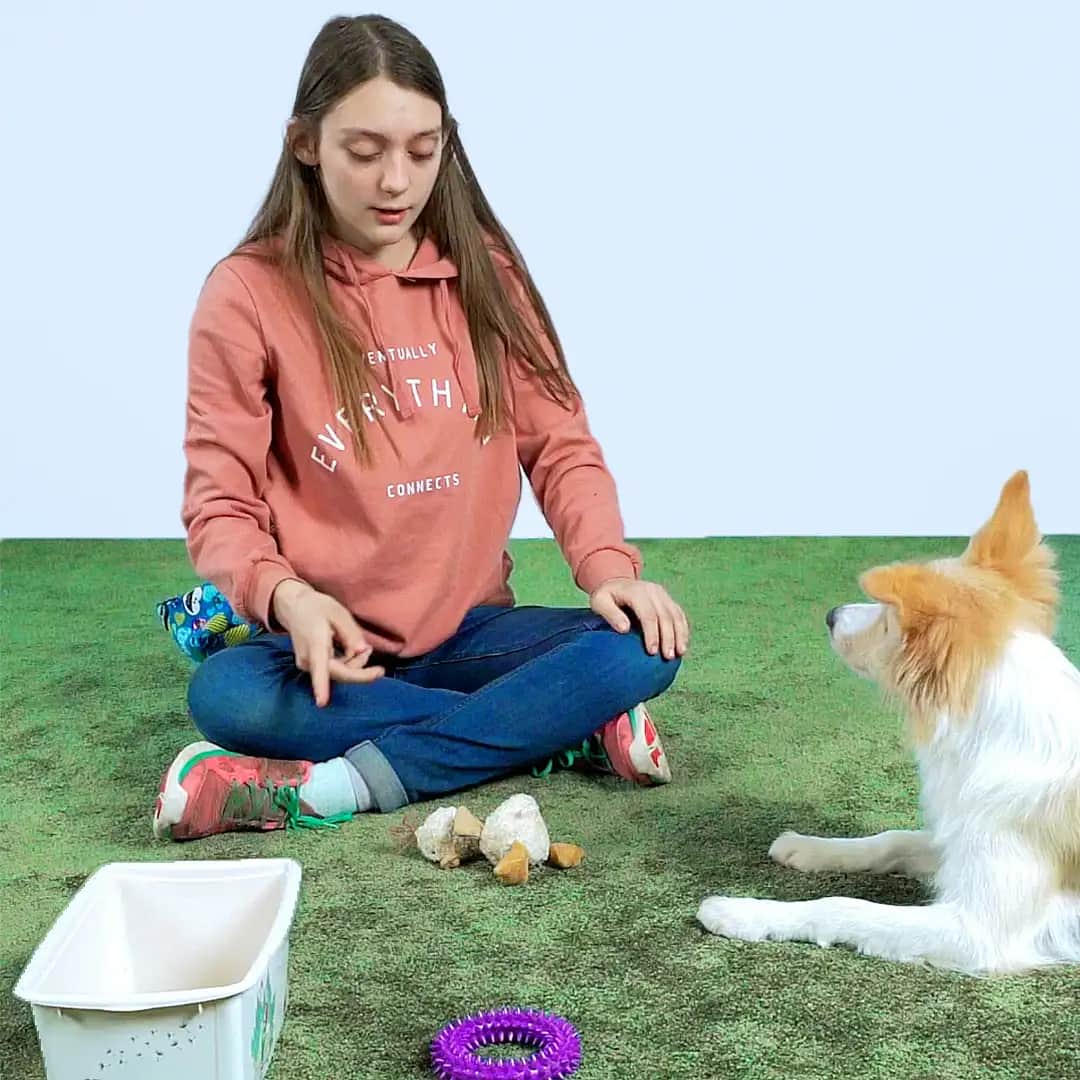
Un dummy de nourriture est votre meilleur outil d'entraînement. Commencez par montrer le jouet de rapport à ton chien. Laissez-le le renifler et se familiariser avec lui.
Jouez avec le jouet vous-même pendant que ton chien observe. Agitez-le, lancez-le et faites-en tout un spectacle pour susciter sa curiosité. L'objectif est de le rendre irrésistible.
Remplissez le dummy devant ton chien avec de délicieuses friandises. La panse a une odeur forte qui augmente vraiment l'attrait du dummy. N'importe quel snack que ton chien adore mais qu'il obtient rarement fonctionnera cependant.
Laisse ton chien manger un peu du dummy tout de suite. Cela l'aide à réaliser que le dummy vaut vraiment la peine d'être surveillé.
Étape 2 : Lancer le dummy de nourriture
Commence par jouer interactivement avec le jouet, un rapide jeu de tir à la corde fonctionne très bien pour construire l'excitation de ton chien.
Maintenant, attachez la longue laisse. Lancez le dummy de nourriture à courte distance et accompagnez-le d'une commande verbale comme « rapporte » ou « cherche ». Gardez la longue laisse détendue.
Étape 3 : Lâcher le dummy
Une fois que ton chien attrape le dummy, félicitez-le avec enthousiasme et appelez-le. Dites « lâche ! » et prenez le dummy dans sa gueule.
Quand ça fonctionne, récompensez-le avec une friandise immédiatement. Cela apprend à ton chien que remettre la « proie » est rentable. Pratiquez ces trois étapes jusqu'à ce que ton chien les maîtrise à chaque fois.
Augmente progressivement la distance de lancer et la complexité des exercices une fois que ton chien maîtrise les bases. Appuyez-vous sur le renforcement positif, félicitations et récompenses rendent l'entraînement agréable.
Chaque chien n'apprend pas à la même vitesse. Soyez patient et adaptez le rythme aux capacités et à l'intérêt de ton chien.
Étape 4 : Pratiquer le rapport sans laisse
Maintenant, tu peux enlever la longue laisse. Ton chien ne s'enfuira probablement plus avec le dummy, il sait que remettre la « proie » lui vaut une délicieuse récompense.
- Dites à ton chien de « s'asseoir » et éloigne-toi de lui.
- Accroupissez-vous et placez le dummy de nourriture sur le sol devant vous.
- Appelez ton chien.
- Laissez-le ramasser le dummy de nourriture.
- Faites-le le remettre avec « lâche ! » comme d'habitude.
Félicite ton chien quand il réussit et donnez-lui des friandises du dummy de nourriture.
Étape 5 : Augmenter la distance
Maintenant, étendez l'écart entre ton chien et le dummy :
- Dites à ton chien de « s'asseoir ».
- Éloigne-toi avec le dummy de nourriture et placez-le à plusieurs mètres. Puis continuez à marcher.
- Ou cachez le dummy pendant que ton chien regarde. La plupart des chiens adorent les jeux de recherche, et cela ajoute une excellente variété à l'entraînement.
Utilise la commande « rapporte ! » ou « cherche ! » pour envoyer ton chien chercher l'objet de rapport.
Techniques avancées
Une fois que ton chien maîtrise les bases, il est temps de passer à la vitesse supérieure avec de nouveaux défis et de la variété.
- Rapport avec obstacles : Installez des haies ou des tunnels que ton chien doit naviguer pour atteindre le jouet. Excellent pour l'agilité et la condition physique.
- Retour en main : Apprenez à ton chien à placer le jouet directement dans ta main ou dans un conteneur.
- Rapport sur commande : Faites attendre ton chien à distance jusqu'à ce que vous donniez le signal. Cela développe un sérieux contrôle des impulsions et de la concentration.
- Augmenter la distance de lancer : Augmentez progressivement la distance à laquelle vous lancez. Cela pousse ton chien physiquement et garde les choses intéressantes.
- Cache-cache avancé : Cachez l'objet de rapport dans des endroits plus délicats, buissons, derrière des objets, sous des bancs. Cela affine le travail olfactif de ton chien.
- Récupération sur parcours d'obstacles : Ajoutez des haies, tunnels ou poteaux de slalom entre ton chien et le jouet. Cela développe l'agilité et la coordination.
- Empiler des commandements : Combinez le rapport avec « assis », « reste » ou « couché ». Cela améliore l'obéissance et le contrôle des impulsions en une seule séance.
Augmente la difficulté lentement pour éviter de submerger. Observez les signaux de ton chien et ajustez en conséquence. Gardez les séances divertissantes et variées, le plaisir passe toujours en premier.
Tu préfères une approche plus visuelle ? Notre application propose des instructions vidéo étape par étape pour vous aider à apprendre à ton chien à rapporter. Découvrez l'application Hundeo pour le dressage canin
Booster la motivation
Maintenir la motivation de ton chien élevée est le secret d'un entraînement au rapport agréable et productif. Utilisez des récompenses stratégiquement, friandises, félicitations ou jouet préféré chaque fois qu'il rapporte l'objet. Cela fixe le comportement que tu souhaites.
Transformez le rapport en jeu auquel ton chien ne peut pas résister. Cachez le jouet, changez la direction de lancer et gardez-le en haleine. Montrez votre enthousiasme quand il réussit, votre enthousiasme est contagieux.
Reste constant avec le renforcement positif. Chaque fois que ton chien fait ce que tu souhaites, donnez-lui un retour positif immédiat. Ton énergie et votre attitude comptent plus que vous ne le pensez, soyez dynamique et encourageant avec ta voix et ton langage corporel.
Montre à ton chien que le rapport est génial. Riez et jouez pendant l'entraînement pour créer une ambiance positive. Changez de jouets et de lieux pour éviter l'ennui.
Adaptez l'entraînement aux préférences de ton chien. Certains chiens gravitent vers certains jouets ou jeux. Et célébrez chaque victoire, aussi petite soit-elle, ces petites victoires maintiennent la motivation en marche.
En combinant des récompenses intelligentes, de la variété ludique et un enthousiasme sincère, vous propulserez la motivation de ton chien. Un environnement d'entraînement positif et énergisant vous prépare tous les deux au succès.
Défis courants et solutions
L'entraînement au rapport ne se passe pas toujours sans accroc, et c'est normal. La plupart des problèmes se résolvent avec de la patience et la bonne approche. Voici les obstacles les plus courants et comment les gérer.

1. Ne rapporte pas le jouet
- Problème : Ton chien attrape le jouet mais ne revient pas.
- Solution : Essayez d'utiliser deux jouets identiques. Quand ton chien attrape le premier, montrez le deuxième et appelez-le. Échangez quand il arrive vers vous. Cela lui apprend que remettre le jouet signifie plus de jeu.
2. Aucun intérêt pour le jouet
- Problème : Ton chien ne s'intéresse pas du tout au jouet de rapport.
- Solution : Expérimentez avec différents jouets pour trouver ce qui clique. Certains chiens adorent les balles, d'autres préfèrent les frisbees ou les jouets en peluche.
3. Se distrait facilement
- Problème : Ton chien perd sa concentration et s'éloigne en cours de séance.
- Solution : Commencez dans un endroit calme, sans distractions. Introduisez progressivement des distractions au fur et à mesure que ton chien gagne en confiance.
4. Excitation démesurée
- Problème : Ton chien s'emballe tellement qu'il vous saute dessus ou claque vers le jouet.
- Solution : Travaillez le contrôle des impulsions. Pratiquez « assis » ou « reste » avant chaque lancer. Récompensez le comportement calme avant et après chaque rapport.
5. Fatigue ou débordement
- Problème : Ton chien montre des signes de fatigue ou de débordement.
- Solution : Respectez les limites de ton chien. Gardez les séances courtes et arrêtez avant que ton chien n'atteigne ses limites. Un chien fatigué n'apprend pas bien.
Que faire si mon chien s'enfuit avec le dummy de nourriture ?
C'est un problème courant au début de l'entraînement. Certains chiens essaient de s'emparer du dummy et de l'ouvrir eux-mêmes pour obtenir les friandises.
Utilise un dummy d'entraînement solide. Ton chien doit apprendre que seul tu peux l'ouvrir et distribuer les récompenses.
Si ton chiot enthousiaste s'enfuit avec la pochette de nourriture, la longue laisse le retient.
Voici quoi faire :
- Approchez ton chien calmement.
- Utilisez la commande « lâche » pour qu'il le lâche.
- S'il obéit, ouvrez le dummy et récompensez-le.
Cela montre à ton chien qu'il a besoin de vous. La seule façon d'obtenir ces friandises est de travailler avec vous.
Ton chien ne montre aucun intérêt naturel pour le rapport ? Un clicker peut changer ça.

Au début, le dummy de nourriture est juste un objet aléatoire pour ton chien. Le clicker training ciblé retourne la situation.
Entraîne-toi au clicker jusqu'à ce que ton chien comprenne que le dummy est quelque chose de spécial.
Avec le clicker, vous apprendrez à ton chien à :
- ramasser le dummy
- le tenir sans le mâcher, et
- vous le rapporter.
Préparer le clicker training
Quelques conseils pour vous préparer au succès :
- Assure-toi que ton chien est bien reposé et alerte. Un chien concentré apprend plus vite.
- Choisissez une pièce calme à la maison pour l'entraînement.
- Éliminez le bruit de fond et les autres distractions.
- Tenez le dummy de nourriture et montrez-le à ton chien. Le regarde-t-il ? Cliquez et récompensez cette attention avec une friandise.
- Une fois que ton chien maîtrise ça, ne le récompensez que lorsqu'il touche vraiment le dummy.
- Vient ensuite tenir. Le vrai objectif est que ton chien tienne l'objet de rapport brièvement dans sa gueule (sans le mâcher !) puis vous le remette. Ne cliquez que lorsque ton chien tient l'objet et vous le livre en main. (Conseil : tendez clairement ta main au début pour le guider.)
Une fois que ton chien maîtrise ça, commencez à augmenter la distance. Construisez-la progressivement pour que chaque séance soit un peu plus stimulante et excitante.
Tu préfères une approche plus visuelle ? Notre application propose des instructions vidéo étape par étape pour vous aider à apprendre à ton chien le clicker training. Découvrez l'application Hundeo pour le dressage canin
Conseils de sécurité et de santé
Le rapport est une super activité, mais la sécurité passe en premier. Assure-toi que le jouet de rapport est solide, adapté à la taille et exempt de petites pièces qui pourraient être avalées.
Choisis un endroit sûr pour l'entraînement. Vérifiez la zone pour les dangers comme les objets pointus, les eaux profondes ou les routes fréquentées.
Surveille la surchauffe, surtout par les jours chauds. Offrez des pauses régulières pour l'eau et l'ombre. Tenez compte de l'âge et de la santé de ton chien, les chiens âgés ou ceux avec des problèmes de santé peuvent avoir besoin de séances plus légères et plus courtes.
Ne sautez pas les échauffements et les récupérations. Ils préviennent les blessures musculaires. Surveillez les signes d'épuisement ou d'inconfort, et arrêtez si ton chien semble fatigué ou réticent.
Continue les bilans vétérinaires réguliers pour vous assurer que ton chien est apte au jeu actif. Pour les chiens très actifs et les chiens âgés, surveiller la santé des articulations est particulièrement important. Des compléments pour les articulations peuvent aider si nécessaire.
Comment apprendre à mon chien à rapporter ?
Il existe plusieurs méthodes, mais la plus facile est d'utiliser un dummy de nourriture rempli de friandises. Consultez le guide détaillé étape par étape ci-dessus.
Comment apprendre à un chiot à rapporter ?
La même méthode avec dummy de nourriture fonctionne pour les chiots, avec une différence clé : les chiots ont une courte durée d'attention, alors gardez les séances brèves. Voir le guide complet ci-dessus pour les détails.
Le rapport est-il bon pour les chiens ?
Absolument. Le rapport offre une tonne d'avantages :
- Condition physique : Il garde ton chien actif et aide à gérer le poids et l'endurance.
- Stimulation mentale : Chaque séance de rapport stimule le cerveau de ton chien et le garde alerte.
- Lien renforcé : Jouer au rapport ensemble construit la confiance et approfondit ta relation grâce à une interaction positive.
- Contrôle des impulsions et obéissance : Pratiquer des commandements comme « rapporte » et « apporte » pendant le jeu améliore naturellement les deux.
- Soulagement du stress : Le rapport aide ton chien à se défouler, conduisant à un comportement plus calme et équilibré à la maison.
Le rapport est l'une des meilleures activités pour la santé physique et mentale de ton chien, et pour ta relation.
Pourquoi mon chien ne rapporte-t-il pas ?
Il y a plusieurs raisons pour lesquelles un chien pourrait refuser de rapporter :
- Faible intérêt : Tous les chiens n'ont pas un instinct naturel de récupération, et c'est normal.
- Aucune guidance claire : Sans dressage approprié, certains chiens ne comprennent simplement pas ce que vous leur demandez.
- Problèmes de santé : Des problèmes articulaires, la douleur ou l'épuisement peuvent rendre le rapport inconfortable ou impossible.
- Mauvaises expériences passées : Des méthodes de dressage sévères peuvent tuer l'intérêt d'un chien pour le rapport.
- Trop de distractions : Un environnement animé peut ruiner la concentration de ton chien.
Les raisons vont de la personnalité et la compréhension à la santé et l'environnement. La bonne nouvelle : la plupart peuvent être corrigées.
La façon la plus facile de commencer ? Utilisez un dummy de nourriture rempli de friandises. Suivez le guide étape par étape ci-dessus pour le détail complet.
Votre plan d'entraînement au rapport
0/6Conclusion
Le rapport est l'une des activités les plus gratifiantes que tu puisses partager avec ton chien. Il offre exercice physique et mental, et c'est beaucoup de plaisir qui vous rapproche en tant qu'équipe.
Avant de commencer, assure-toi que ton chien connaît les commandements de base. À partir de là, tu peux pratiquer n'importe où, à la maison, au parc canin ou lors de votre promenade quotidienne.
N'oubliez pas que le rapport est bien plus qu'un jeu. C'est une plateforme pour apprendre et grandir ensemble. Que tu aies un tout nouveau chiot ou un vieux compagnon, il n'est jamais trop tard pour commencer, et les bénéfices en valent vraiment la peine.
As-tu bien suivi ?
Question 1 sur 3Dans quel ordre construis-tu le rapport ?