
Points clés
- Pourquoi le langage corporel des chiens est important : Lire le langage corporel approfondit ton lien émotionnel, affine ton dressage et prévient les malentendus avant qu'ils surviennent.
- Lire la posture corporelle : Une posture large et gonflée signale la confiance ; une posture petite et courbée signale la peur. Se rouler sur le dos peut signifier la confiance ou la peur.
- Analyser la position des oreilles : Les oreilles dressées montrent l'attention ; les oreilles rabattues indiquent la peur ou la soumission.
- Interpréter la position de la queue : Agiter la queue peut signifier la joie ou l'excitation ; une queue rentrée signale la peur. Comprendre ton chien n'est pas toujours facile. Si vous ne pouvez pas lire son langage corporel, cela entraîne des problèmes et des malentendus. Cet article vous aidera à décoder les signaux de ton chien, et cela seul peut transformer ta relation. Imagine si vous pouviez parler à ton chien. Il vous dirait comment il se sent, ce qui s'est passé aujourd'hui ou pourquoi il a peur là maintenant. Mais vous ne parlez pas le « ouaf ».
La bonne nouvelle ? Il y a une autre façon de lire dans les pensées de ton chien : le langage corporel. Une fois que tu comprends ces signaux, c'est presque comme si ton chien pouvait vous parler. Sa posture, la position de ses oreilles, la position de sa queue et ses expressions faciales vous indiquent tous comment ton chien se sent et comment tu devrais réagir.
L'importance du langage corporel des chiens
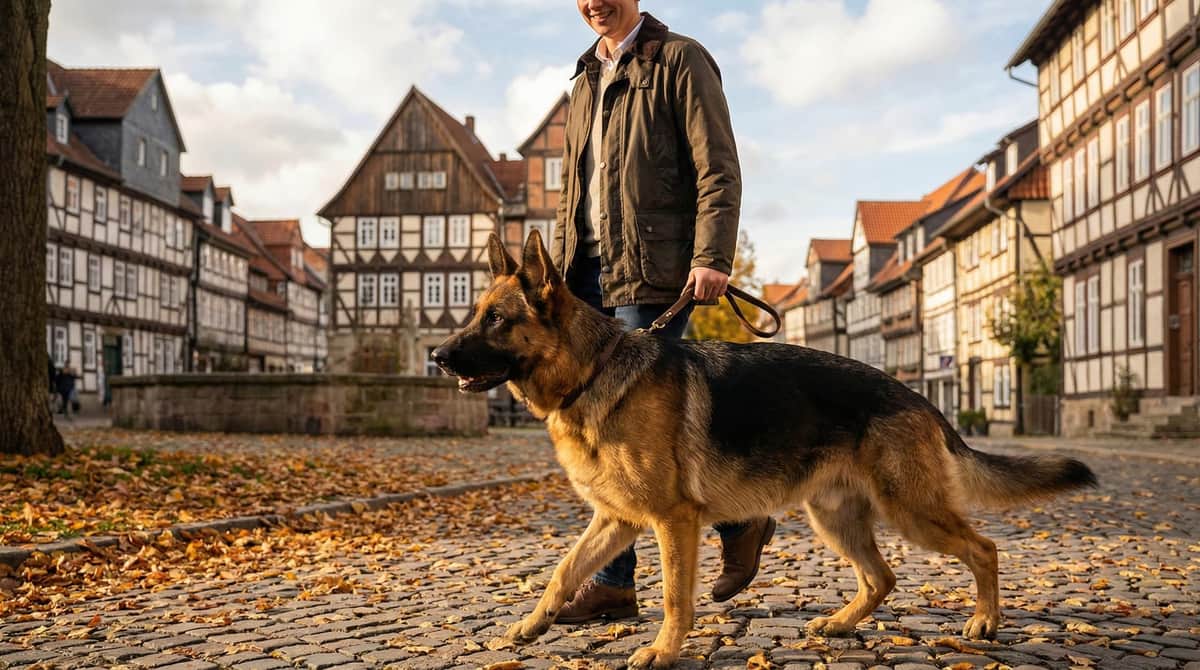
Comprendre le langage corporel des chiens est le fondement d'une relation profonde et confiante avec ton chien. Sa valeur ne peut pas être surestimée.

Ton chien utilise son corps pour exprimer la joie, la peur, l'excitation, l'insécurité et bien plus encore. Chaque mouvement, chaque mouvement d'oreille, chaque agitation de queue a une signification. Alors pourquoi est-il si important d'apprendre ce langage ? C'est simple : il comble le fossé entre votre monde et celui de ton chien. Une fois que vous le maîtrisez, tu obtiens un vrai aperçu de ce que pense et ressent ton fidèle compagnon.
Lire le langage corporel de ton chien va au-delà de savoir s'il est heureux ou triste. Il s'agit de saisir les nuances, les différences subtiles qui vous indiquent s'il se sent en sécurité, excité ou anxieux.
Il s'agit d'atteindre un niveau de compréhension plus profond qui amène ta relation à un tout autre niveau.
Les chiens ne peuvent pas se parler comme nous le faisons. Les aboiements, les grognements et les gémissements transmettent beaucoup, mais ils ne suffisent pas pour une communication claire. C'est pourquoi le langage corporel est l'outil de communication le plus important d'un chien. Les autres chiens captent instantanément ces signaux subtils. Nous les humains ? Nous les manquons souvent complètement. Quand nos chiens essaient de nous dire quelque chose, nous ne le remarquons même pas. Mais une fois que tu comprends le langage corporel, les malentendus diminuent. Vous repérez les problèmes rapidement.
Avec le temps, tu apprends à connaître les habitudes de ton chien et pouvez dire quand il est agacé ou juste quand il veut jouer. Avec des chiens inconnus, c'est plus difficile. Surveiller les signaux du langage corporel vous aide à repérer les situations dangereuses avant qu'elles n'escaladent. Nous savons souvent déjà ce que signifient certains signaux. Une queue qui agite signifie l'excitation. Des oreilles aplaties signifient l'alerte. Le vrai problème est que nous ne faisons pas attention, donc nous manquons complètement ces signaux.
Plus vous observez ton chien, plus vite vous captez les subtilités. Tout comme les gens, chaque chien communique différemment. Observez les particularités individuelles. Étudiez aussi d'autres chiens, cela affine ton regard.
Pourquoi comprendre le langage corporel des chiens est important
Comprendre le langage corporel des chiens est essentiel pour une forte relation humain-chien.
- Approfondir ton lien émotionnel : Quand vous lisez les signaux non verbaux de ton chien, tu construis une connexion plus étroite. Un sentiment de compréhension mutuelle se développe qui amène la relation à un niveau émotionnel plus profond.
- Améliorer la communication et le dressage : Reconnaître le langage corporel rend ton dressage plus efficace et empathique. Vous créez un processus d'apprentissage basé sur la confiance et le renforcement positif.
- Construire une confiance mutuelle : Quand ton chien réalise que tu comprends ses signaux et y répondez, la confiance grandit. Il se sent plus en sécurité et devient plus disposé à suivre votre direction et à s'ouvrir.
- Éviter les malentendus et les conflits : Mal lire le langage corporel canin cause des conflits inutiles. Le comprendre prévient ces situations et maintient ton foyer harmonieux.
- Détecter tôt le stress, la peur et les problèmes de santé : De nombreux chiens montrent d'abord l'inconfort, le stress ou la douleur par des changements de langage corporel. Un propriétaire attentif capte ces signes tôt et agit en conséquence.
- Traiter ton chien avec respect : Comprendre le langage corporel signifie respecter les besoins, les émotions et les limites de ton chien. Cela conduit à une relation plus équilibrée.
- Renforcer les compétences sociales de ton chien : Les chiens dont les signaux sont compris et respectés ont tendance à développer de meilleures compétences sociales. Ils réagissent de manière plus appropriée aux autres chiens et aux personnes parce qu'ils se sentent en sécurité. Dans l'ensemble, comprendre le langage corporel des chiens est important pour une relation saine et heureuse. Il permet une communication ancrée dans l'empathie, la compréhension et la confiance profonde.
Lire la posture corporelle de ton chien
Commence par regarder le corps entier. Comment ton chien apparaît-il globalement ? Se gonfle-t-il ? Est-il tendu ? Ou se rapetisse-t-il ?

Chaque mouvement et posture est comme un chapitre d'un livre sur les pensées et les sentiments de ton chien. La façon dont il se tient, la position dans laquelle il s'allonge, chaque posture a sa propre signification. Tout à coup, ton chien semble beaucoup plus grand qu'avant. Il déplace son poids vers l'avant et étire légèrement son museau vers le haut. Les chiens font cela face à d'autres chiens. Ils veulent affirmer leur dominance et intimider l'autre chien par leur taille.
Ce comportement apparaît aussi dans d'autres situations. Ton chien montre sa confiance et signale qu'il n'a pas peur. Mais cela peut aussi signifier qu'il est prêt pour un combat. Pour l'interpréter correctement, tu dois aussi vérifier les oreilles, la queue et l'expression faciale. Il se recroqueville et plie ses pattes arrière. Il peut même s'aplatir sur le sol. La tête s'incline légèrement vers le bas, faisant paraître le dos arrondi. Cette posture s'accompagne souvent d'un corps tendu.
Si ton chien se fait paraître plus petit comme ça, il est probablement effrayé et insécure. Tu vois cela souvent quand les chiens « soumettent » à d'autres chiens. Ils veulent éviter un combat parce que l'autre chien semble plus fort. Ce comportement apparaît aussi dans d'autres situations effrayantes, comme les orages. Selon le déclencheur, rassurez ton chien. Montrez-lui qu'il n'y a rien à craindre.
-> Attention si son poil se hérisse. Si c'est le cas, reculez de quelques pas et attendez que ton chien se calme. Même les chiens craintifs mordent quand ils se sentent acculés. Cette posture peut signifier différentes choses selon le contexte. C'est souvent un signe de soumission ou de confiance, surtout quand ton chien s'allonge détendu sur le dos près de vous. Il peut aussi demander de l'attention ou des câlins sur le ventre.
Pendant le jeu, cela signifie généralement que ton chien se sent en sécurité et s'amuse. Mais si ton chien se roule sur le dos lors d'une confrontation, cela peut signaler la peur ou l'apaisement. Quand ton chien s'allonge détendu, peut-être avec les pattes étirées ou en « position sphinx », il se sent à l'aise. Cette posture montre qu'il se sent en sécurité et protégé. Un corps rigide et tendu, surtout avec un regard fixe, peut signaler l'insécurité ou la préparation défensive. Ton chien peut être en alerte maximale, prêt à réagir à une menace perçue. Un chien qui se baisse ou se recroqueville montre de la soumission ou de la peur. Il essaie de se faire discret ou signale qu'il n'est pas une menace. Cette posture, où l'avant est abaissé et l'arrière est relevé, est une invitation claire à jouer. C'est de la joie pure et un désir de s'amuser et d'interagir.
Trois signaux clés dans le langage corporel canin
Quand vous communiquez avec ton chien, tu utilises plus que des mots, tu utilises des gestes et des regards. Ton chien fait de même. Sa queue, ses oreilles et sa posture corporelle sont comme des mots dans un langage construit sur des sentiments et des instincts. Décryptons-le ensemble.
- Le langage de la queue : La queue de ton chien est un baromètre d'humeur. Une queue qui agite joyeusement ? Joie pure ou excitation. Mais la façon dont il agite en dit encore plus. Un agitement rapide peut signaler l'excitation, tandis qu'un agitement lent signifie souvent l'incertitude. Une queue raide et haute signale généralement la confiance ou même le défi.
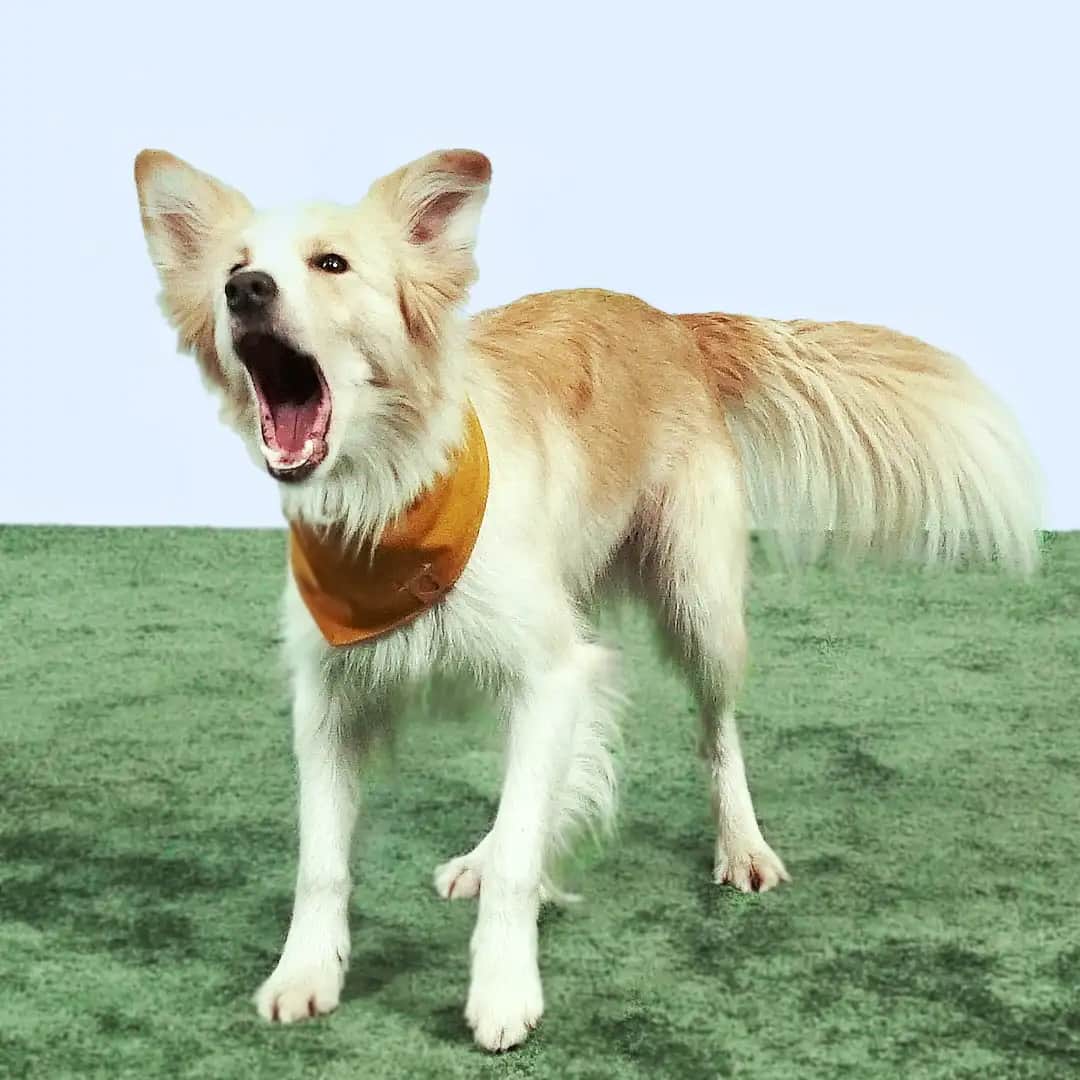
- Oreilles aux aguets : Les oreilles de ton chien fonctionnent comme des antennes, captant et envoyant constamment des signaux. Les oreilles dressées signifient que ton chien est alerte et intéressé. Les oreilles rabattues montrent souvent la soumission ou la peur. La position des oreilles seule vous dit beaucoup sur l'état d'esprit actuel de ton chien.
- La posture raconte une histoire : La posture corporelle de ton chien est une fenêtre sur son monde intérieur. Une posture détendue et ouverte signale le contentement. Un corps tendu avec une tête rentrée peut exprimer l'insécurité ou la peur. Et quand ton chien s'allonge sur le dos, il montre soit sa soumission soit il réclame des câlins sur le ventre, cela dépend de son air détendu.
Quand tu comprends le langage de la queue, des oreilles et de la posture, vous ouvrez une fenêtre sur le monde émotionnel de ton chien. Cette communication non verbale est centrale dans ta relation. Elle vous permet de vous connecter à un niveau plus profond et empathique et de renforcer ton lien. Apprendre à lire ces signaux silencieux fait de vous un meilleur ami et compagnon pour ton chien, et un observateur plus attentif qui comprend vraiment ses besoins. Alors gardez les yeux ouverts et commencez à apprendre le langage discret mais expressif de ton chien. C'est un voyage qui vaut chaque minute.
Comprendre la position des oreilles de ton chien

La position des oreilles vous indique d'abord l'attention. Les chiens ont une ouïe incroyable. Quand ils captent un son intéressant, ils dressent leurs oreilles et les font pivoter vers la source. Mais la position des oreilles révèle aussi l'état émotionnel de ton chien. Cela varie selon la race, cependant. Certains chiens ont naturellement les oreilles dressées. D'autres sont connus pour leurs oreilles tombantes.
Oreilles dressées : ce que les oreilles de ton chien vous disent
Les oreilles de ton chien sont plus que des organes auditifs. Elles sont un élément clé du langage corporel et vous donnent une fenêtre sur son monde émotionnel. Décryptons les secrets derrière chaque position d'oreille.
Oreilles complètement dressées
Quand ton chien dresse ses oreilles, il est très alerte et intéressé. Il a peut-être vu ou entendu quelque chose d'intrigant et veut l'examiner. Cette posture montre la curiosité et l'engagement.
Les oreilles dressées sont d'abord et avant tout un signe d'attention. Ton chien se concentre sur un son spécifique et écoute attentivement. Mais les oreilles dressées peuvent aussi exprimer la dominance. Pour la bonne interprétation, tu dois lire le reste du langage corporel et considérer l'environnement. La position des oreilles est-elle accompagnée d'un museau légèrement relevé ? Dans ce cas, ton chien essaie de paraître plus grand. Cet agrandissement visuel signale la confiance en soi et la dominance.
Oreilles tournées vers l'arrière
Les oreilles rabattues peuvent signifier différentes choses. Dans les moments de détente, elles signalent le contentement et le calme. Mais si le chien est tendu, les oreilles rabattues peuvent indiquer la peur, la soumission ou l'apaisement.
Cette position d'oreille s'accompagne souvent du chien qui se fait tout petit, peut-être même en s'allongeant sur le sol. Ces signaux indiquent la soumission et la peur. Essayez de comprendre ce qui rend ton chien insécure et comment tu peux le rassurer.
Oreilles sur les côtés
Les oreilles écartées sur les côtés signalent souvent l'incertitude ou des sentiments mitigés. Ton chien peut être dans une situation qu'il ne comprend pas tout à fait ou dans laquelle il se sent mal à l'aise.
Oreilles plates
Quand les oreilles de ton chien sont plaquées contre sa tête, cela peut signifier la peur, la soumission ou parfois même l'agressivité. Combiné à d'autres signaux comme des lèvres retroussées ou des grognements, prenez cette posture au sérieux.
Position des oreilles détendue
Une position d'oreille naturelle et détendue, ni tendue ni conspicuement placée, montre que ton chien se sent à l'aise. Rien de spécial n'attire son attention ou ne lui cause de souci.
La plupart des propriétaires de chiens ne réalisent pas à quel point les expressions faciales de leur chien sont révélatrices. Les chiens ne sont pas aussi expressifs que les humains.

C'est probablement pourquoi tant de personnes les négligent. Mais les chiens plissent aussi les yeux et contractent leurs muscles faciaux. Si vous observez attentivement le visage de ton chien, vous en apprenez beaucoup sur son état d'esprit.
Muscles faciaux tendus, pupilles rétrécies et regard fixe :
Si un chien vous regarde comme ça, soyez prudent.
Une expression figée signale la colère. Le chien ne détourne pas le regard et semble vous observer intensément. Ne répondez jamais en le fixant à votre tour. Les chiens se sentent rapidement menacés quand vous maintenez un contact visuel trop longtemps. Au lieu de cela, éloigne-toi lentement de quelques pas. Attendez que le chien se calme et évitez de le provoquer davantage. Ton chien vous montre qu'il va très bien. Tu peux le voir sur son visage : des pupilles de taille normale, des muscles faciaux détendus, un regard amical.
Parfois, les chiens nous sourient même. Après des milliers d'années à vivre aux côtés des humains, les chiens ont appris à nous imiter. Ces coins de bouche retroussés vous disent que ton chien est heureux. Des sourcils levés et de grands yeux ronds, ils ont l'air tellement mignons et innocents qu'on ne peut s'empêcher d'accorder notre attention à nos chiens. Ce que les amoureux de chiens ont toujours su, les chercheurs l'ont maintenant confirmé :
Les chiens utilisent ce regard intentionnellement quand ils veulent de l'attention. Ils ont appris que mendier fonctionne. Et honnêtement, qui peut résister à ces yeux de chiot ?
Comment lire correctement la position de la queue
La position de la queue indique beaucoup aux propriétaires sur l'humeur de leur chien.

Agitation de la queue
On apprend dès l'enfance qu'une queue qui agite signifie un chien heureux. Mais cela peut aussi signifier de l'excitation ou de l'agitation.
En substance, l'agitation de la queue signale l'éveil. Généralement, cela signifie la joie. Parfois, cependant, cela signale l'excitation, l'agitation ou l'insécurité. Tu remarques que ton chien agite la queue tout en aboyant sur quelque chose d'inconnu ? Il pourrait être ravi. Mais plus probablement, il est juste excité.
- Agitation heureuse : Une queue qui agite rapidement signale généralement de la joie pure. Ton chien peut être excité de vous voir ou enthousiaste pour un jeu. Cette agitation est souple et détendue, un signe clair que ton chien est heureux et content.
- Agitation lente : Une agitation lente et délibérée peut signifier l'incertitude ou la prudence. Ton chien peut être en train d'évaluer une situation ou de montrer de l'intérêt tout en restant indécis.
Queue tenue haute
Cette position de queue correspond à la posture où ton chien se fait paraître plus grand. Elle signale la confiance et l'alerte. Dans une confrontation, elle paraît intimidante et signale la préparation au combat.
Une queue raide et haute est un signal fort. Elle peut signifier la dominance, la confiance en soi ou même l'agressivité. Lisez toujours le langage corporel complet pour évaluer correctement la situation.
Queue rentrée
La queue est abaissée ou rentrée entre les pattes arrière ? Cela indique l'insécurité et la peur. Cette position de queue signifie que ton chien se sent sous pression ou qu'il a été effrayé par quelque chose.
Selon la situation, rassurez ton chien ou reculez de quelques pas pour lui donner de l'espace. Évitez les mouvements brusques. Avec des chiens inconnus, il peut être difficile de dire si les grognements et les bondissements signifient le jeu ou l'agressivité. À première vue, le langage corporel semble identique. Le chien saute d'avant en arrière, s'excité, ouvre grand la gueule et grogne doucement. Cela semble comme un combat imminent.
Mais les pattes arrière sont-elles levées pendant que les pattes avant restent sur le sol ? Dans ce cas, détendez-vous. Le chien veut juste faire un combat simulé. Dans cette posture de jeu, la poitrine s'abaisse. Contrairement à une vraie agressivité, le chien reste souple, agite la queue et garde les yeux grands ouverts. Alors pourquoi ces postures se ressemblent-elles autant ? Quand les chiots jouent avec leurs frères et sœurs, ils imitent les chiens adultes. Ils simulent de vrais combats avec des grognements et de légers mordillements.
Mais se bagarrer n'est qu'un jeu pour eux. Ils jouent avec leurs frères, sœurs et parents de la même façon qu'ils veulent jouer avec vous : en faisant semblant de se battre.
Aperçu du langage corporel
Vous ne pouvez lire le langage corporel correctement que si vous considérez la posture, la position des oreilles, la position de la queue et l'expression faciale ensemble. C'est pourquoi nous avons préparé cet aperçu pour que tu puisses tout voir d'un coup d'œil.
Comment savoir si ton chien est vraiment heureux
Un chien heureux le montre par un corps détendu. Ses muscles sont souples et ses mouvements sont fluides et gracieux. Rien ne suggère de tension ou d'inconfort.
Une agitation de queue souple et rythmée est un signe classique de joie. Parfois tout le corps se balance aussi, un signe indubitable que ton chien est heureux. Regardez aussi son visage. Des yeux détendus et une bouche légèrement ouverte, parfois avec un soupçon de « sourire », montrent qu'il se sent à l'aise et content. Un chien heureux est curieux et impliqué dans son environnement. Il renifle, explore et joue. Il invite souvent au jeu avec la posture d'invitation classique ou en vous apportant des jouets. Cela vous dit qu'il se sent en sécurité et heureux près de vous.
Si ton chien dort paisiblement et mange avec un bon appétit, ce sont de forts signes qu'il se sent en sécurité en ta présence. De nombreux chiens heureux cherchent aussi le contact physique, s'appuyer doucement contre vous ou vous pousser pour des câlins. Ces gestes expriment la confiance et le contentement.
Quand ton chien est stressé ou dépassé
Les chiens sont experts pour cacher ce qu'ils ressentent. Mais leur langage corporel les trahit souvent. Le stress et le débordement se manifestent de plusieurs façons. Voici les signaux qui vous disent que ton chien ne va pas bien.
- Bâillement : Bâiller n'est pas toujours une question de fatigue. Chez les chiens, cela peut aussi signaler du stress. Si ton chien bâille dans une situation inconnue ou tendue, il peut être stressé.
- Grattage : Ton chien se gratte beaucoup même s'il n'a pas de puces ou de problèmes de peau ? Cela peut indiquer un stress interne. Le grattage sert d'exutoire au stress.
- Léchage des lèvres ou du nez : Un chien qui se lèche répétitivement les lèvres ou le nez sans nourriture à proximité peut signaler de l'inconfort ou de la nervosité.
- Comportement d'évitement : Si ton chien évite le contact visuel, détourne la tête ou essaie de partir, il se sent probablement mal à l'aise dans la situation.
- Halètement : Un halètement intense quand il ne fait pas chaud et que ton chien n'a pas fait d'exercice peut signaler du stress.
- Posture corporelle rigide : Un corps rigide et tendu, éventuellement avec un regard fixe, peut signifier que ton chien est dans une situation stressante. Reconnaître ces signes est important. Essayez d'identifier et de réduire les facteurs de stress. Donnez à ton chien du temps et de l'espace pour décompresser. Parfois, un environnement calme et ta présence rassurante sont tout ce dont il a besoin.
N'oubliez pas, chaque chien est différent. Ce qui stresse l'un peut ne pas affecter l'autre. Observez les signaux individuels de ton chien et répondez avec soin. Votre compréhension peut faire une énorme différence pour aider ton chien à se sentir en sécurité.
L'importance de ton propre langage corporel
Miroir de l'âme : Ton langage corporel parle à ton chien en permanence. As-tu déjà pensé au fait que vous communiquez constamment avec ton chien, pas avec des mots, mais avec ton corps ? Vos gestes, votre posture, même la façon dont vous bougez envoient des messages constants à ton chien. Voyons comment tu peux utiliser ce langage silencieux pour construire une relation encore plus forte.
Posture détendue Les chiens sont experts pour lire notre langage corporel. Une posture détendue et ouverte communique la confiance et la sécurité. Quand tu es calme et détendu, ton chien le perçoit et se détend aussi.
Contact visuel direct Chez les humains, le contact visuel direct signale l'honnêteté. Pour les chiens, cela peut sembler menaçant. Essayez d'adoucir ton regard ou de détourner brièvement les yeux pour montrer à ton chien que vous n'êtes pas une menace.
Langage corporel dans le dressage Ton langage corporel peut décupler ton dressage. Des gestes clairs et cohérents aident ton chien à comprendre ce que tu veux. Une posture droite avec des mouvements calmes et stables transmet l'autorité sans intimidation.
Approche respectueuse Quand vous tu approches de ton chien, surtout quand il est anxieux ou insécure, faites-le de manière non menaçante. Ne vous penchez pas au-dessus de lui. Offrez plutôt ta main sur le côté pour qu'il puisse vous renifler d'abord.
Miroir des émotions Ton chien reflète vos sentiments. Si tu es nerveux ou agité, ton chien le perçoit et devient aussi anxieux. À l'inverse, votre calme aide ton chien à se détendre.
N'oubliez pas : chaque geste, chaque regard et chaque mouvement envoie un message à ton chien. Utilisez ce langage silencieux judicieusement pour transmettre amour, confiance et respect.
5 conseils pour communiquer par le langage corporel
Communiquer avec ton chien est une danse, une conversation silencieuse qui va bien au-delà des mots. La façon dont vous bougez, vous tenez et regardez ton chien lui raconte une histoire.
Voici quelques conseils pour utiliser le langage corporel pour communiquer plus efficacement avec ton chien, et pourquoi le contexte est si important pour lire les signaux.
- Soyez conscient de vos gestes : Vos mouvements de main, vos inclinaisons de tête et vos pas envoient tous des signaux. Des gestes lents et calmants apaisent ton chien, tandis que des mouvements rapides et saccadés peuvent l'exciter ou l'effrayer.
- Surveillez votre posture : Une posture droite mais détendue signale la confiance et le calme. Évitez les postures menaçantes comme vous tenir au-dessus de ton chien ou vous pencher sur lui, ils peuvent lire cela comme dominant ou intimidant.
- Utilisez le contact visuel judicieusement : Le contact visuel est un outil puissant, mais utilisez-le correctement. Un regard fixe semble menaçant pour un chien. Un regard amical et doux exprime la confiance et l'amour.
- Comprenez le contexte : Interpréter le langage corporel dépend beaucoup du contexte. Une agitation de queue ne signifie pas toujours la joie, elle peut aussi signaler l'excitation, la peur ou l'insécurité. Tenez compte de la situation, des autres signaux corporels et de l'environnement pour lire correctement ton chien.
- Répondez au langage corporel de ton chien : Remarquez comment ton chien réagit à ton langage corporel. Ajuste-t-il sa posture ou son comportement en fonction de vos gestes ? Cette boucle de feedback vous aide à affiner votre communication et à mieux répondre à ses besoins.
Ce qu'il faut faire et ne pas faire : bien communiquer avec ton chien
Comprendre le langage des chiens est à la fois un art et une science. Il y a des règles essentielles à suivre et à éviter pour utiliser ce langage efficacement et éviter les malentendus. Voici quelques directives essentielles pour communiquer avec ton chien.
Les chiens peuvent-ils communiquer ?
Les chiens communiquent par le langage corporel et les sons avec d'autres chiens et avec les humains. Cette communication est centrée sur l'expression des émotions.
Que signifie quand les chiens tirent les coins de leur bouche vers l'arrière ?
Les coins de bouche tirés vers l'arrière signalent la soumission. S'ils montrent les dents, ils menacent. Quand les lèvres poussent vers l'avant, le chien est détendu.
Quand mon chien montre-t-il de la colère ?
Muscles faciaux tendus, pupilles rétrécies et regard fixe, si un chien vous regarde comme ça, soyez prudent. Une expression figée signale la colère. Le chien ne détourne pas le regard et semble vous observer intensément.
Que signifie le regard « yeux de chiot » ?
Des sourcils levés et de grands yeux ronds ont l'air tellement mignons et innocents qu'on ne peut s'empêcher d'accorder notre attention à nos chiens. Les chercheurs ont confirmé ce que les amoureux de chiens ont toujours su : les chiens utilisent ce regard intentionnellement quand ils veulent de l'attention. Ils ont appris que mendier fonctionne.
Que signifie quand mon chien se fait paraître plus grand ?
Tout à coup, ton chien semble beaucoup plus grand qu'avant. Il déplace son poids vers l'avant et étire légèrement son museau vers le haut. Les chiens font cela face à d'autres chiens. Ils veulent affirmer leur dominance et intimider l'autre chien par leur taille.
Comment puis-je dire si mon chien est détendu ou stressé ?
Un chien détendu a un langage corporel souple et ouvert. Un chien stressé peut avoir des muscles tendus et peut haleter.
Ma conclusion
Le langage corporel est l'outil de communication le plus important d'un chien. Si vous le comprenez, vous communiquez mieux avec ton chien. Les malentendus diminuent. Vous repérez plus rapidement les problèmes et les changements d'humeur.
Commence par observer ton propre chien et d'autres. Faites attention au langage corporel. Avec le temps, vous captez de plus en plus de subtilités et commencez à prédire leur comportement. Regarde tout le corps de ton chien, pas seulement les oreilles ou la queue séparément. L'environnement et les influences extérieures comptent aussi. Ce n'est que quand vous assemblez toutes les pièces que vous comprendrez vraiment le langage corporel de ton chien. Et une fois que vous le faites, rien ne se met en travers d'une vraie communication.
As-tu bien suivi ?
Question 1 sur 3Que signifie toujours un remuement de queue ?