
Points clés
- Comprendre la psychologie canine : Quand tu connais les instincts et les émotions de ton chien, vous communiquez mieux et résolvez plus vite les problèmes comportementaux.
- Communication : Les chiens s'appuient sur le langage corporel et les vocalisations. Lire leurs signaux correctement change tout.
- Reconnaître les émotions : La joie, la peur et la frustration façonnent le comportement de ton chien. Comprendre ces émotions renforce ton lien.
- Conseils de dressage : Le renforcement positif et des règles claires construisent une relation de confiance et sans stress.
- Résoudre les problèmes comportementaux : Identifiez la cause profonde et développez des solutions adaptées pour des problèmes comme les aboiements ou l'agressivité.
Comprendre une autre espèce est difficile. C'est pourquoi donner du sens au comportement de ton chien peut ressembler à un jeu de devinettes, et ce jeu de devinettes entraîne des problèmes. Cet article vous aidera à percer le code de la psychologie de ton chien.
Construire une relation étroite avec ton chien commence par comprendre comment il pense. Les chiens sont remarquablement intelligents, pas de la même façon que les humains, mais nous avons tendance à l'oublier.
Nous « humanisons » nos animaux de compagnie beaucoup trop, et cela peut se retourner contre nous. Ton chien communique avec vous de la même façon qu'il communique avec d'autres chiens. Quand cette communication se perd dans la traduction, les conséquences s'accumulent.
Une relation humain-chien faible. Un changement d'humeur de ton chien. Le résultat ? Agressivité et entêtement. Tu veux vraiment comprendre la psychologie canine et renforcer ton lien ?
Cet article vous couvre. Nous avons réuni des insights fascinants sur la psychologie canine, cinq principes et conseils qui vous aideront à vous connecter mieux avec ton chien.
L'importance de comprendre la psychologie canine
Imagine plonger dans l'esprit de ton chien, comprendre ses sentiments et interpréter ses actions. C'est exactement ce que la psychologie canine vous offre : la clé d'une relation plus profonde et plus enrichissante avec ton compagnon à quatre pattes.

La psychologie canine couvre tout ce qui se passe dans la tête de ton chien, des instincts de base aux émotions complexes. Quand vous la comprenez, vous ne communiquez et ne dressez pas seulement mieux. Vous repérez et corrigez aussi les problèmes comportementaux bien plus efficacement.
- Meilleure communication : Comprendre comment ton chien pense et ressent vous permet de communiquer à son niveau. C'est le fondement de tout dressage et de la construction d'une relation solide.
- Reconnaître les besoins et les sentiments : Se brancher sur le monde émotionnel de ton chien est essentiel pour répondre à ses besoins, depuis la détection de la peur jusqu'à l'encouragement de la joie.
- Prévenir et résoudre les problèmes comportementaux : De nombreux problèmes comportementaux se résument à des malentendus ou des besoins non satisfaits. Une bonne compréhension de la psychologie canine vous aide à les prévenir ou à les corriger.
- Construire une relation profonde : Une relation basée sur la compréhension mutuelle et le respect est plus forte et plus gratifiante. La psychologie canine vous montre comment y parvenir.
Comprendre la psychologie canine vous évite beaucoup de maux de tête. De plus, ton chien sentira que vous le comprenez, et cela fait des merveilles pour ta relation.
Fondamentaux de la psychologie canine
Considérez la psychologie canine comme un langage secret. Une fois que vous le décodez, vous débloquez une connexion plus profonde et une vraie compréhension avec ton compagnon à quatre pattes. Décomposons les fondamentaux, les schémas comportementaux et ce qu'ils signifient réellement.
1. Comportement instinctif Tout comme nous, les chiens portent des comportements instinctifs codés dans leur ADN : instinct de chasse, comportement territorial et dynamiques de meute. Ces instincts façonnent la façon dont ton chien réagit au monde et interagit avec les autres.
2. Apprentissage et adaptabilité Les chiens sont des apprenants incroyables. Ils assimilent les choses par l'observation, l'imitation et le conditionnement. Cette adaptabilité est la clé d'un dressage réussi et de l'adaptation à la vie avec les humains.
3. Communication La communication canine est riche et multiple, langage corporel, vocalisations et même signaux olfactifs. Comprendre ces formes de communication est essentiel pour lire avec précision les besoins et les émotions de ton chien.
4. Interaction sociale Les chiens sont des animaux sociaux dans leur nature profonde. Leurs interactions avec d'autres chiens et humains tournent autour de la hiérarchie et du lien. Les signaux sociaux comme l'agitation de la queue, les bâillements d'apaisement ou se rouler sur le dos pour montrer le ventre jouent tous un rôle majeur dans leurs relations.
5. Comportement émotionnel Les chiens ressentent de la joie, de la peur, de l'excitation et de la tristesse. Ces émotions motivent leur comportement et leurs réactions dans différentes situations. Développer une compréhension empathique de ces états émotionnels est essentiel pour construire une relation forte et de confiance avec ton chien.
Ces connaissances forment la base d'une communication réussie et d'une vie harmonieuse avec ton chien. La suite : comment les mettre en pratique.
Comportement social et lien
Le comportement social et le lien sont au cœur de la psychologie canine. Les chiens sont des êtres sociaux par nature, et leurs interactions avec d'autres chiens et humains façonnent directement leur bien-être et leur développement.
Les chiens ont besoin de temps social avec d'autres chiens. Quand ils interagissent avec leurs pairs, ils apprennent la hiérarchie sociale, la communication et le comportement approprié. Jouer avec d'autres chiens n'est pas seulement amusant, c'est une partie essentielle de l'apprentissage social.
Par le jeu, les chiens apprennent les limites, l'autocontrôle et la communication non verbale. Ils portent aussi une compréhension naturelle des dynamiques de meute qui façonne chaque interaction. Respecter ces dynamiques est important.
La relation humain-chien est unique et exige une compréhension et un respect mutuels. Un lien fort repose sur la confiance. Soyez constant, patient et compréhensif avec ton chien. Apprenez à lire ses signaux et à y répondre de façon appropriée, cela renforce la compréhension mutuelle.
Construisez et maintenez ce lien. Passez du temps régulièrement avec ton chien, en jouant, en se promenant ou simplement en étant ensemble. S'entraîner ensemble renforce ta connexion et montre à ton chien que tu es un leader fiable. Soyez là pour ton chien dans les bons et les mauvais moments. Montrez de l'empathie et de la compréhension pour ses sentiments.
Communication entre humains et chiens
La communication avec ton chien va bien au-delà des simples commandements et réponses. C'est une danse subtile de langage corporel, de vocalisations et de compréhension mutuelle. Voyons comment les humains et les chiens communiquent vraiment, et pourquoi le langage corporel et les vocalisations comptent autant.

Le langage corporel est la principale façon dont ton chien vous parle et parle au monde qui l'entoure. C'est la clé de la communication non verbale. Chaque mouvement, chaque posture a une signification :
- Position de la queue : Une queue qui agite signifie souvent la joie, tandis qu'une queue rentrée signale l'insécurité ou la peur.
- Position des oreilles : Les oreilles dressées montrent l'alerte, tandis que les oreilles aplaties peuvent signaler la peur ou la soumission.
- Posture corporelle : Une posture détendue signifie que ton chien se sent bien. Une posture tendue ou voûtée peut exprimer l'insécurité ou la peur.
Apprenez-en plus sur le langage corporel canin ici : Langage canin [4 signaux à connaître]
Les chiens communiquent aussi à travers toute une gamme de sons. C'est bien plus que juste des aboiements :
- Aboiements : La signification change avec le ton, la durée et le contexte. Ils peuvent signaler l'excitation, un avertissement, la ludiciité ou l'inconfort.
- Gémissements ou couinements : Ces sons indiquent souvent l'inconfort, la nostalgie ou l'inquiétude.
- Grognements : Un grognement est un avertissement. Il signifie que le chien se sent menacé ou veut protéger quelque chose.
Le vrai art de communiquer avec ton chien réside dans la lecture de ces signaux et dans la réponse appropriée. Il s'agit de développer une sensibilité aux humeurs et aux besoins de ton chien :
- Observez et apprenez : Passez du temps à observer ton chien et à capter ses signaux. Chaque chien est unique et a sa propre façon de s'exprimer.
- Répondez de façon cohérente : Restez constant dans la façon dont vous réagissez à la communication de ton chien. Cela l'aide à comprendre ce que tu attends.
- Adaptation mutuelle : La communication est bidirectionnelle. Ton chien doit apprendre à vous comprendre, et tu dois apprendre à parler son langage.
Comprendre les émotions des chiens
Les chiens ne sont pas seulement des compagnons fidèles, ce sont des êtres émotionnels avec une large gamme de sentiments. Voyons les émotions clés, de la joie à la peur, et comment tu peux reconnaître, interpréter et répondre à chacune d'elles.
-
Reconnaître et encourager la joie La joie est l'une des meilleures émotions à voir chez ton chien. Un chien heureux le montre par un comportement exubérant, sauter, jouer et courir dans tous les sens. Tu remarqueras un langage corporel détendu : une queue qui agite librement avec excitation et un corps détendu. Récompensez le comportement joyeux avec des friandises, des caresses et une attention positive. Proposez du jeu et du plaisir. Des sessions de jeu régulières maintiennent la joie de ton chien vivante.
-
Reconnaître la peur et le stress La peur et le stress peuvent vraiment peser sur la santé et le comportement de ton chien. Observez les changements de langage corporel comme une queue rentrée, des oreilles aplaties et une posture voûtée. Tu peux aussi voir un comportement d'évitement, des tentatives de se cacher ou d'échapper à la situation. Le halètement, le tremblement ou les gémissements sont des signes physiques de détresse. Créez un environnement calme et sûr et offrez à ton chien un refuge tranquille. Parlez d'un ton apaisant et utilisez des caresses douces pour l'aider à se calmer. Essayez d'identifier ce qui déclenche la peur ou le stress et travaillez à minimiser ou supprimer ces déclencheurs.
-
Curiosité et intérêt Les chiens sont naturellement curieux. Ils le montrent par un comportement attentif, en reniflant et en explorant leur environnement. Encouragez cette exploration. Donnez à ton chien des opportunités sûres de découvrir de nouveaux environnements, comme des promenades dans des zones inconnues. Utilisez des jouets interactifs et des jeux d'entraînement pour garder son esprit aiguisé.
-
Frustration La frustration s'installe quand un chien rencontre des obstacles ou que ses besoins ne sont pas satisfaits. Les signes incluent l'agitation, les aboiements ou même un comportement destructeur. Identifiez la cause : découvrez ce qui motive la frustration et travaillez sur une solution. Assure-toi que ton chien reçoit suffisamment d'exercice physique et mental. Canalisez son énergie dans des sorties positives comme le dressage ou le jeu.
-
Agressivité L'agressivité est une émotion sérieuse qui exige attention et compréhension. Elle peut provenir de la peur, de la frustration, du comportement territorial ou de la douleur. Le comportement agressif se manifeste par des grognements, des dents découvertes, un regard fixe et dans certains cas des claquements ou des morsures.
Conseils pour gérer l'agressivité :
- Comprendre les causes : Déterminez ce qui déclenche l'agressivité. Les coupables courants incluent la peur, l'instinct de protection, la douleur ou des expériences négatives passées.
- Chercher de l'aide professionnelle : Quand l'agressivité apparaît, obtenez de l'aide professionnelle. Un éducateur ou un comportementaliste canin expérimenté peut identifier les causes et élaborer la bonne stratégie d'entraînement.
- Créer un environnement sûr : Assure-toi que ton chien se sent en sécurité et non menacé. Évitez les situations que tu sais déclencher l'agressivité.
- Utiliser le renforcement positif : Entraîne-toi avec le renforcement positif, jamais la punition ou les techniques agressives, qui ne font qu'aggraver les choses.
- Bilan de santé : L'agressivité peut parfois trouver son origine dans des problèmes de santé. Une visite chez le vétérinaire aide à exclure des causes médicales.
- Restez calme : Gardez votre calme. Les chiens perçoivent les émotions de leur propriétaire, et votre calme peut désamorcer une situation tendue.
- Observez et apprenez : Apprenez à lire le langage corporel de ton chien pour pouvoir détecter tôt les signes d'inconfort ou d'agressivité et réagir avant que les choses n'escaladent.
L'agressivité chez les chiens est complexe et nécessite souvent une compréhension plus profonde et une gestion sensible. Une approche proactive, combinée à une expertise professionnelle, est essentielle pour gérer le comportement et assurer la sécurité de tous.
5 conseils pour mieux communiquer
Voici 5 conseils qui porteront votre compréhension de la psychologie canine au niveau supérieur :

1. Ton chien ne devrait jamais obéir par peur
Les chiens apprennent mieux par des associations positives et la répétition. La peur ne fait pas que freiner les humains, elle est aussi nuisible pour ton chien. Ta relation ne devrait jamais reposer sur la peur.
2. Tenez compte des émotions
Fais attention à l'état émotionnel de ton chien pendant le dressage. La peur, le stress ou l'excitation peuvent tous faire dérailler le processus d'apprentissage.
3. Des règles claires et cohérentes mènent au succès
Les règles comptent dans la psychologie canine et le dressage. Vous n'avez pas besoin de règles pour tout, mais trop peu de règles causent aussi des problèmes. Décidez à l'avance quels principes comptent le plus pour vous et ton chien. Gardez-les clairs et appliquez-les de façon cohérente. Utilise le langage corporel pour communiquer. Des signaux clairs et calmes aident ton chien à mieux comprendre vos instructions.
4. Récompenses et félicitations comme renforcement positif
Le renforcement positif signifie récompenser le comportement que tu souhaites plutôt que punir le comportement que vous ne souhaitez pas. Les récompenses se présentent sous de nombreuses formes, friandises, caresses et câlins. Intégrez-le régulièrement dans ta routine quotidienne ensemble.
Le renforcement positif construit la confiance et une relation saine. Il crée un environnement d'apprentissage où ton chien se sent en sécurité et motivé. Le dressage basé sur le renforcement positif donne de meilleurs résultats à long terme, favorise la coopération et soutient le bien-être général de ton chien.
Reste constant avec vos récompenses. Récompensez toujours juste après le comportement souhaité. Variez les récompenses pour garder le dressage frais et intéressant.
5. Il faut de la patience et du temps
Une relation humain-chien ne devrait jamais être stressante. La patience passe en premier. Quand vous enseignez quelque chose de nouveau à ton chien, rappelle-toi, ça prend du temps.
Le stress, la pression et les méthodes de dressage agressives sont absolument à proscrire. Restez patient et ne vous frustrez pas quand ton chien ne réagit pas immédiatement. Chaque chien apprend à son propre rythme.
Problèmes comportementaux chez les chiens : comprendre les causes et trouver des solutions
Chaque propriétaire de chien y fait face : les petits (et parfois pas si petits) défis dans le comportement de son chien. Des aboiements excessifs aux habitudes destructrices, les problèmes comportementaux se présentent sous toutes les formes. Examinons les problèmes les plus courants, leurs racines psychologiques et comment les résoudre.
- Aboiements excessifs : Souvent déclenchés par la peur, l'ennui, la recherche d'attention ou une réaction à des stimuli environnementaux.
- Agressivité : Peut provenir de la peur, du comportement territorial, de la douleur ou d'expériences négatives passées.
- Comportement destructeur : Généralement un signe d'anxiété de séparation, d'ennui ou d'exercice insuffisant.
- Tirer sur la laisse : Souvent causé par l'excitation, un dressage en laisse insuffisant ou un fort instinct de chasse.
Chaque problème comportemental nécessite une approche d'entraînement adaptée. Le renforcement positif et la patience sont tes meilleurs outils. Donnez à ton chien suffisamment d'exercice mental et physique pour éviter l'ennui et les problèmes qui en découlent.
Crée un environnement calme et sûr pour réduire la peur et le stress. Une socialisation précoce et régulière prévient de nombreux problèmes comportementaux avant qu'ils ne commencent. Pour les problèmes graves ou persistants, faites appel à un éducateur ou un comportementaliste canin professionnel.
La compréhension et la patience sont tout
Les problèmes comportementaux sont souvent le signe que ton chien ne va pas bien ou que ses besoins ne sont pas satisfaits. Avec de la compréhension, de la patience et la bonne approche, tu peux aider ton chien à donner le meilleur de lui-même.
Psychologie canine et dressage canin
La psychologie canine et le dressage canin sont étroitement liés mais distincts. La psychologie canine vous donne une compréhension plus profonde du comportement de ton chien. Le dressage canin applique des méthodes et techniques spécifiques pour façonner et guider ce comportement. Les deux vont de pair, et ensemble, ils rendent le dressage bien plus efficace.
Nous avons déniché quelques faits fascinants pour vous aider à comprendre la psychologie canine à un niveau plus profond. Ces insights affineront votre capacité à lire les réactions de ton chien et à entrer dans sa tête :
Ton chien fait des mouvements et des sons amusants dans son sommeil ? Ne vous inquiétez pas, ton chien rêve.

Les rêves chez les chiens servent probablement le même but que chez les humains : traiter les expériences de la journée. Cela signifie que les exercices et activités appris peuvent en fait être renforcés pendant que ton chien dort.
Les chiens sont intelligents, la plupart des gens le savent. Ce n'est pas une coïncidence s'ils travaillent aux côtés de la police, servent d'animaux de thérapie et guident les malvoyants. Cette intelligence est au coeur de la psychologie canine.
Les chiens nous comprennent mieux que les autres animaux de compagnie grâce à leur perception aiguë. Ils montrent aussi plus d'empathie et de compassion envers les humains. Selon les chercheurs en psychologie canine, les chiens ont l'intelligence d'un enfant de deux ans et peuvent reconnaître entre 150 et 250 mots.
Ton chien perçoit le ton de ta voix, et il le comprend. Il sait exactement quand il a fait quelque chose de mal et que vous le grondez. Tu as probablement déjà vu ce regard coupable quand il s'est mis dans des situations qu'il n'aurait pas dû.
Tout le monde associe le bâillement à la fatigue, mais les chiens ne bâillent pas seulement parce qu'ils sont fatigués. Le bâillement est aussi une façon de se calmer et de relâcher le stress. Tu as eu une journée particulièrement épuisante ? Rencontré quelque chose d'effrayant ? C'est alors que vous verrez ton chien bâiller plus souvent.

La plupart des propriétaires de chiens le savent, mais ça vaut la peine d'être répété : les chiens ont besoin de contact social pour rester psychologiquement équilibrés. Même si ton chien vous aime plus que tout et que vous lui donnez tout ce dont il a besoin, cela ne satisfera pas son instinct de meute. Allez au parc une ou deux fois par semaine. Promène-toi avec d'autres propriétaires de chiens. Ton chien vous en remerciera.
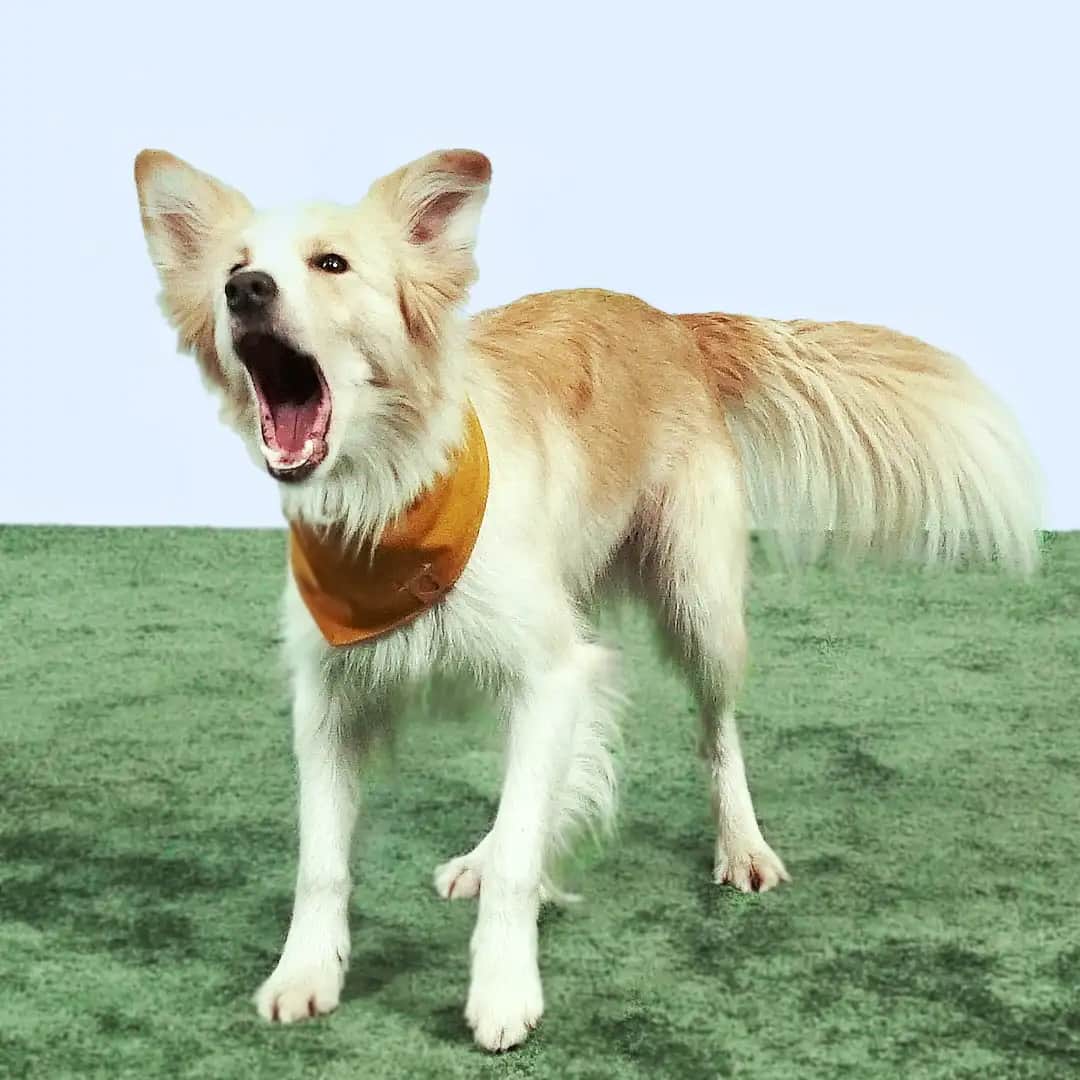
Les chiens n'aboient pas seulement quand ils sont en colère ou agressifs.
Aboyer est l'outil de communication principal d'un chien, et cela porte une gamme de significations :
- Attirer l'attention
- Exprimer la joie et la gratitude
- Dire bonjour
Les aboiements ne sont pas qu'un avertissement, ils ont souvent des motivations positives derrière eux. La posture corporelle de ton chien est la clé pour interpréter ce que son aboiement signifie vraiment.
Le langage corporel, agitation de la queue, queue rentrée, posture voûtée, vous dit beaucoup sur le bien-être et l'humeur de ton chien. Voici les postures les plus importantes et leur signification :
Agitation de la queue : dans la plupart des cas, c'est positif. Elle signale la joie. Ton chien peut être en mode « jeu » à fond.
Tête droite : une position de tête droite signifie généralement que ton chien veut jouer. Celui vers qui il la dirige devrait prendre l'indice.
Posture voûtée : c'est le contraire de la joie. Si ton chien est voûté, cela peut signifier qu'il n'aime pas quelque chose ou qu'il a peur.
Queue rentrée : cela signale aussi la tension. Une queue rentrée montre la peur. Tu pourrais le voir après l'avoir grondé pour quelque chose.
Allongé bien étiré : cette posture signifie que ton chien est détendu et content. Vous la verrez souvent après une journée active et amusante.
Ton chien hurle-t-il ? Cela signifie généralement qu'il est très malheureux ou a mal. Les hurlements sont rarement positifs. Ton chien peut hurler dans ces situations :
- Il manque un ami (humain ou animal).
- Il est profondément triste.
- Il a mal.
- Il ne se sent pas bien.
Les hurlements sont un signal d'alerte. Quelque chose ne va pas. Un ami chien est décédé ? Un soignant a déménagé ? Si ton chien ne peut plus les voir, les hurlements viennent probablement du deuil et de la perte.
Si ton chien commence à hurler sans raison évidente, supposez qu'il ne se sent pas bien ou a mal. Voyez un vétérinaire immédiatement.
Les chiens peuvent-ils communiquer ?
Oui, les chiens communiquent par le langage corporel et les sons avec d'autres chiens et avec les humains. Il s'agit principalement d'exprimer des émotions.
Que signifie quand les chiens tirent les coins de leur bouche vers l'arrière ?
Les coins de bouche tirés vers l'arrière signalent la soumission. S'ils montrent les dents, ils menacent. Quand les lèvres poussent vers l'avant, le chien est détendu.
Pourquoi mon chien s'agite-t-il dans son sommeil ?
Ton chien rêve très probablement. Les rêves chez les chiens semblent servir le même but que chez les humains : traiter les expériences de la journée. Ton chien peut renforcer des exercices ou des activités appris pendant son sommeil.
Comment travaille un psychologue animalier ?
Un psychologue animalier se spécialise dans le comportement animal et travaille à travers plusieurs étapes :
- Observation et évaluation : Il commence par observer attentivement l'animal dans son environnement naturel ou familier pour identifier les schémas comportementaux.
- Anamnèse : Il parle avec le propriétaire pour comprendre le contexte de l'animal, son comportement passé et tout changement récent.
- Analyse comportementale : En utilisant les observations et l'historique, il analyse le comportement de l'animal pour identifier les causes possibles des problèmes.
- Planification de l'intervention : Il crée un plan personnalisé avec des méthodes d'entraînement, des modifications comportementales et parfois des changements à l'environnement ou à la routine de l'animal.
- Mise en œuvre et entraînement : Il travaille directement avec l'animal et le propriétaire pour mettre en pratique les méthodes recommandées.
- Évaluation et ajustement continus : Il vérifie régulièrement les progrès et ajuste le plan selon les besoins pour les meilleurs résultats.
En bref, un psychologue animalier utilise une observation minutieuse, une analyse et une intervention ciblée pour résoudre les problèmes comportementaux et soutenir le bien-être de l'animal.
Combien coûte un psychologue canin ?
Les coûts varient selon ta région, l'expérience du psychologue, la complexité du cas et le nombre de séances nécessaires. En moyenne, attends-toi à 50 à 150 € par séance. Certains psychologues canins proposent des forfaits multi-séances à prix réduit. Il est judicieux de demander plusieurs devis à l'avance pour savoir exactement ce que vous payez.
Ma conclusion
Explorer la psychologie canine est un voyage enrichissant. cela vous aide à mieux comprendre ton chien, cela approfondit toute ta relation. Quand tu comprends leurs émotions, comportements et style de communication, tu construis un lien plus fort et plus empathique avec ton fidèle compagnon.
Appliquer la psychologie canine à ton dressage, combinée au renforcement positif, ouvre la porte à un processus d'apprentissage efficace et agréable. Quand tu apprends à voir le monde avec les yeux de ton chien, vous répondez mieux à ses besoins et lui offrez une vie plus heureuse et plus équilibrée.
N'oubliez pas : chaque interaction avec ton chien est une chance de développer votre compréhension et de renforcer ta connexion. Soyez patient, soyez attentif et surtout, soyez présent dans les moments que vous partagez. Une relation construite sur la compréhension et le respect est l'une des parties les plus gratifiantes de la vie avec un chien.
Une dernière chose : le dressage canin et la relation qu'il construit doivent toujours être exempts de violence, d'agressivité, d'impatience et de stress. Toujours.
As-tu bien suivi ?
Question 1 sur 3Qu'est-ce qui motive la plupart des comportements indésirables chez le chien ?