

A bland diet makes sense with diarrhea, gastrointestinal infections, after surgery, or with intolerances. Good options are chicken and turkey, soft-cooked rice, and pureed carrots, potatoes, and pumpkin, prepared without salt or spices. Off-limits are pork, fatty meat, and lactose-containing dairy products. For this article, we sought advice from the veterinarian Mag.med.vet. Emin Jasarevic.
There are several reasons to turn to a bland diet. An upcoming operation, an intolerance to certain foods, diarrhea, intestinal diseases, or chronic stomach problems are just some of the many reasons.
These foods are allowed
When preparing a bland diet for your dog, it's important to use certain foods. The classics here are meat, vegetables, and rice. Under certain circumstances, you can also use low-fat quark and cottage cheese. These support the gut flora and provide fluids and proteins.
Make sure to buy meat that is as low in fat and as easy to digest as possible. It should be cooked through well and neither salted nor spiced. Skip pork in a bland diet, because it's very high in fat and low in nutrients. Poultry and beef are best suited for your companion. Since beef can sometimes be hard to digest, you should focus on poultry in the early days. The best types of poultry for this purpose are chicken and turkey.
Rice makes an ideal side. Make sure to cook the rice until it's soft. That way it's easy to digest and suitable as a bland diet for dogs. With rice too, the rule is to add no salt or other spices. Vegetables are also well suited to your four-legged friend's bland diet. The best varieties include carrots, pumpkin, and potatoes. The vegetables are boiled and then pureed. They must never be fed raw. Raw vegetables and fruit are not suitable as a bland diet for dogs because they are hard to digest.
Flaxseed is ideal for intestinal cleansing. The tiny seeds swell up in the gastrointestinal tract and thus help clean out the intestines. That's why it's a good idea to add one or two tablespoons of flaxseed to the food. The amount depends on the size and weight of your furry friend. You can also reach for oats. They support the gut flora too and add variety to the diet.
Apples are one of the few types of fruit suitable for a bland diet. It's important to grate them finely. Don't forget to core the apple beforehand. Please skip adding apples if your companion suffers from dental problems. If you're preparing the bland diet because of a damaged stomach lining, then you should leave out the apples. Otherwise, the fruit acid they contain has a negative effect on your four-legged friend's well-being.
Suitable foods at a glance
Here once more are the most suitable foods at a glance:
Fish and meat:
- chicken
- turkey
- beef, if needed
- lean fish (such as trout, salmon, and sardines)
Vegetables:
- potatoes
- carrots
- zucchini
- pumpkin
Dairy products (preferably lactose-free):
- low-fat quark (with low fat content)
- low-fat cottage cheese
Other foods:
- rice (preferably the boil-in-bag kind)
- flaxseed
- oats
- apples
- honey The foods should be researched in advance as much as possible or discussed with the vet. For example, dairy products aren't suitable in every case.
Correct preparation
It's important to prepare a meal that is free of spices and unsalted. With diarrhea especially, spices rob the animal of vitamins as well as important water, minerals, and nutrients.
Always cook the rice, vegetables, and meat especially well. Raw vegetables and fruit are, after all, hard for your dog to digest. The long cooking time also rids the meat of harmful bacteria. Fat-free preparation is essential for a bland diet. Prepare the meat without fat in the oven, in a steamer, or sear it in water.
Recipes
Here we'll send you off with a few tasty recipes for your four-legged friend. The amounts can't be generalized for the various dog breeds. Our recipes are tailored to a dog weighing 25 kilos. At this weight, it's a good idea to prepare 400 to 450 g of food. The "weight" factor plays a part. Other factors, such as the dog being overweight, its age and size, and its physical activity, also need to be considered.
A quick call to the vet brings clarity here. They can tell you how much food is best to prepare for your darling.
Recipes
Potatoes with vegetables and oats
Ingredients:
- 300 g carrots
- 100 g potatoes
- ½ tsp honey
- 1 tbsp oats
Preparation:
- Peel and chop the carrots
- Peel the potatoes too and cut them into small pieces
- Add the carrots and potatoes to boiling water
- Boil the vegetables until soft and puree them
- Add the honey and oats and let it cool
Turkey with potatoes and cottage cheese
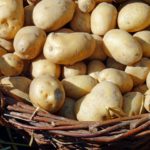
Ingredients:
- 200 g turkey
- 200 g potatoes
- 1 tbsp cottage cheese
- ½ tbsp flaxseed
Preparation:
- Cut the turkey into the smallest pieces possible
- Peel the potatoes and cut them into small pieces
- Bring water to a boil
- Boil the potatoes until soft and then puree them
- Add the turkey to the water and cook it through
Rice with trout and low-fat quark
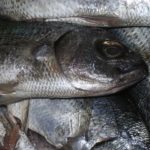
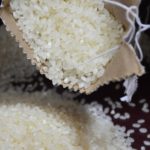
Ingredients:
- 250 g rice
- 200 g trout
- ½ zucchini
- 1 tsp low-fat quark
Preparation:
- Preheat the oven to 200 °C
- Add the rice to boiling water
- Boil the rice until completely soft
- Cut the trout into small pieces
- Wash the zucchini and grate it finely
- Mix all the ingredients together and let it cool
Potatoes with pumpkin and cottage cheese
Ingredients:
- 100 g zucchini
- 100 g carrots
- 100 g pumpkin flesh
- 100 g potatoes
- 1, 2 tsp honey
- 1 tbsp flaxseed
- 2 tbsp cottage cheese
Preparation:
- Wash and, if needed, peel the vegetables
- Cut the vegetables into small pieces and boil them until very soft
- Put the vegetables in a container and puree them
- Add the honey, flaxseed, and cottage cheese
- Mix everything together and let it cool
Rice with chicken and pumpkin
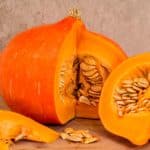
Ingredients:
- 200 g rice
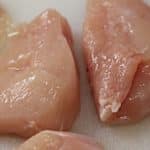
- 100 g chicken
- 150 g pumpkin flesh
- ½ apple
- 1 tbsp oats
Preparation:
- Add the rice to boiling water and boil it until soft
- Cut the chicken into small pieces
- Cut the pumpkin flesh into small pieces too
- Add the chicken and pumpkin to boiling water and boil them until soft
- Puree the pumpkin and chicken and put them in a container
- Add the rice and mix it in
- Wash, core, and grate the apple
- Add the apple to the container
- Add the oats and mix them in
- Let everything cool a little
What is a bland diet for dogs?
A bland diet for dogs consists mainly of poultry, fish, or beef with sides of rice or boiled vegetables. The preparation and choice of foods are designed to be gentle on your dog's gastrointestinal tract.
When do I need to feed my dog a bland diet?
A bland diet is best for your dog when he has gastrointestinal complaints such as diarrhea. After gastrointestinal infections or similar issues, you should also nurse your dog back to health with a bland diet. It's easy to digest and helps him keep the food down despite an upset stomach.
How do I prepare a bland diet for my dog?
It's best to use poultry, lean fish, rice, pumpkin, carrots, or potatoes as ingredients. The individual ingredients must all be cooked through well and then served pureed. Never add salt or other spices. For various recipes, you can read our article.
Which foods are allowed in a bland diet for dogs?
Poultry, lean fish, boiled and pureed vegetables such as pumpkin, zucchini, carrots, and potatoes, soft-cooked rice, and flaxseed are highly recommended for a bland diet for dogs.
Which foods are not suitable for a bland diet for dogs?
Pork and other fatty meat, along with fat, spices, salt, and lactose-containing foods, are not suitable for a bland diet. Beef is only suitable to a limited extent and should ideally be quite lean as well. Fruit is also unsuitable for a bland diet for dogs, with the exception of apples. These should not be used if there are stomach lining complaints.
Were you paying attention?
Question 1 of 3Which meat is best suited for a bland diet for dogs?
Advice from the vet
Just like with us, it happens to our beloved dogs too that they upset their stomachs and have to fall back on a bland diet. As long as your friend's "upset" doesn't occur at regular intervals, that's normal. If it does, serious illnesses may be behind it. If, after a course of bland-diet treatment, your dog's symptoms don't subside within one to two days, then don't hesitate. Notify your vet. You should also do this if your four-legged friend has significant accompanying symptoms that suggest an ordinary gastrointestinal upset. Here your powers of observation are especially called for. In case of doubt, always ask your vet for advice.
When your dog is fit again and you want to do something good for him: our bland-diet recipe with rice and chicken also works as a light meal for sensitive dogs.
Ready-made bland diet
If you'd rather not cook yourself, or want something on hand for emergencies, Anifit offers two freeze-dried bland-diet options. Just pour on hot water and let it steep for 10 minutes.
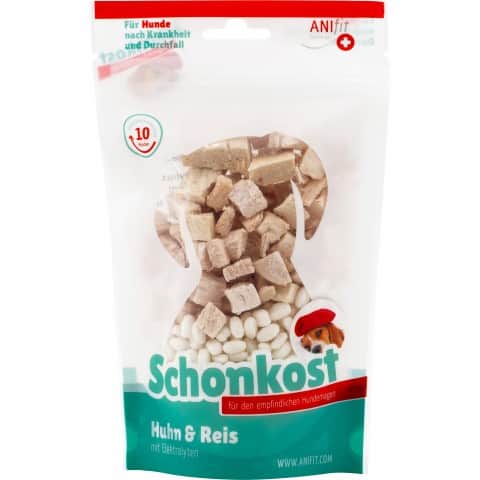
Anifit Bland Diet Chicken/Rice
Freeze-dried bland diet made from 60% chicken breast and 40% rice, plus electrolytes. Ready to serve in 10 minutes.
- Chicken breast + rice + electrolytes
- Freeze-dried, long shelf life
- From 50 g (makes about 200 g of finished meal)
- Save 10% with code JETZT10
from €5.90
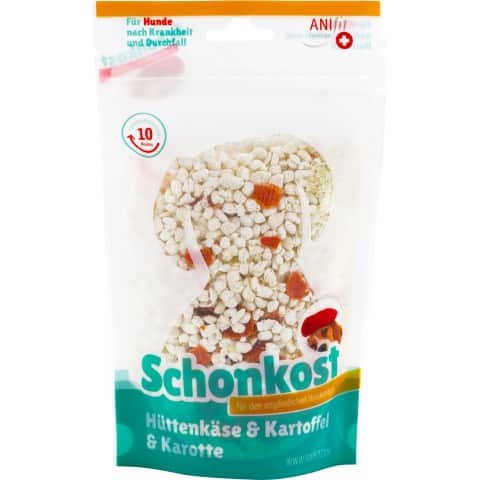
Anifit Bland Diet Cottage Cheese
Freeze-dried bland diet with cottage cheese, potato, and carrot. A mild alternative for dogs that don't tolerate chicken.
- Cottage cheese + potato + carrot
- Freeze-dried, long shelf life
- Also for chicken-sensitive dogs
- Save 10% with code JETZT10
from €5.90


