

- Vitamins A, B, C, D, E and K are vital for your dog - High-quality food usually covers the basic requirement - Supplements only after consulting your vet
High-quality complete food fully covers the vitamin needs of most dogs. Still, there are situations: a vegetarian diet, pregnancy, deficiency symptoms: where targeted supplementation makes sense.
Vitamin B Complex
Vitamin B is an umbrella term for a wide range of vitamins that are crucial for metabolism and many bodily functions. A dog's body can only store vitamin B in small amounts: a regular supply through food is therefore important. Vitamin B is also an important precursor to coenzymes. Natural sources: meat, milk and fish.
Vitamin B12 (cobalamin) is responsible for metabolism and for working together with folic acid. It can only be synthesized by microorganisms and is therefore found almost exclusively in animal-based foods. On a vegetarian diet, supplementation is recommended.
Signs of a vitamin B deficiency:
- fatigue
- depressive disorders
- apathy
- worsening of allergies
- premature graying
- hair loss
- growth disorders
- muscle weakness
- heart and circulatory problems
- increased susceptibility to infection
How to give it
Vitamin B is available as capsules or tablets. For dosing, follow the instructions on the package insert or ask your vet. Small dogs usually get one capsule a day, larger ones two. Ideally you can mix the vitamins into the regular food: wet food is especially suited to this, since capsules dissolve well in it.
In general, dogs don't need any extra vitamins if they're fed a high-quality complete food or supplied via the BARF method. On a vegetarian diet, taking extra vitamin B is recommended. With puppies and young dogs in particular, only reach for supplements in exceptional cases.
Folic Acid


Folic acid is a vitamin from the vitamin B complex and is sometimes also called vitamin B9 or vitamin M. Folates take part in metabolic processes and are especially important for cell division and growth. A dog's body can produce folate itself, so a deficiency is rare.
Research has shown that folic acid lowers the risk of cleft palate and neural tube defects in pregnant dogs and is therefore recommended.
A folic acid deficiency rarely shows up clearly. Possible signs: open wounds, skin changes, low weight gain during pregnancy, reduced appetite or anemia. An excess isn't possible: the surplus is excreted. Folate occurs in green leafy vegetables, wheat germ, yeast and liver.
Vitamin D3
Vitamin D3 is important for the absorption of calcium and phosphorus in the gut and works against bone loss. With a deficiency, mood and mental state are strongly affected, because the vitamin is responsible for regulating the brain messenger serotonin.
A vitamin D deficiency mostly occurs in young dogs and puppies and shows up as rickets or painful softening of the bones. An oversupply is problematic too: it can lead to calcifications.
Most vitamin D3 is taken in through sunlight. The skin absorbs UV rays and produces the vitamin. In dogs with thick coats, production is harder: in that case a supplement can help. Good prepared food contains enough vitamin D3. When feeding BARF or home-cooked meals, it has to be added through supplements.
Vitamin E

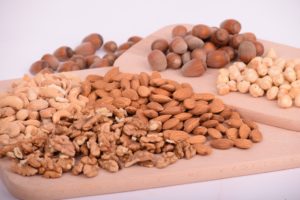
Vitamin E gets into the body through food: it's found in unsaturated fatty acids, which are taken in through the ingredients of the food. During pregnancy and growth the need is higher, which can be balanced out with cod liver oil or other fish oils.
Signs of a vitamin E deficiency:
- weight loss
- muscle weakness
- weakened immune system
- blood disorders
- dermatosis
- reduced fertility
- eye diseases
An overdose of vitamin E is not known so far: to date, no studies pointing in this direction have been documented.
Vitamin A

Vitamin A is contained in certain fats and is needed for fat metabolism. It's stored mostly in the liver. Active vitamin A is found in cod liver oil, eggs, milk, fish oil and liver: hardly any in skim milk. Vitamin A is important for vision, for the production of antibodies and for growth.
Signs of a vitamin A deficiency:
- infertility
- corneal clouding
- hearing loss
- nerve damage
- skin lesions
- susceptibility to infection
- stillbirth or malformations in pregnant dogs
Vitamin A can't be excreted when there's an oversupply. With an overdose, it can lead over time to lesions of the heart and arteries, cleft palate in puppies, low weight gain, loss of appetite and joint pain.
Biotin (Vitamin B7)
For a healthy metabolism and cell division process, dogs need an adequate amount of biotin. A fully grown dog needs about 40 µg a day, which are taken in through the diet. The right amount of biotin is essential for blood sugar levels and gives a shiny coat, healthy skin and good coat structure.
Signs of a biotin deficiency:
- brittle, dull coat
- dandruff
- eczema
- itching
- hair loss
- lack of vitality (often occurs in older dogs)
Biotin is contained in many foods: organ meats, egg yolk, yeast, wheat bran, oats, salmon, carrots and beef muscle meat.
Vitamin K

Vitamin K is responsible for a whole range of important bodily functions: a healthy gut flora, support for the liver and kidneys, blood clotting and the immune system.
Natural vitamin K is found in leafy vegetables like spinach. For puppies that's off-limits: and even for large dogs it's only suitable in small amounts. There are safer alternatives such as vitamin tablets.
When Do Supplements Make Sense?
In general, a dog gets the vitamins it needs from a high-quality complete food. But there are circumstances where supplementation makes sense: for example with a confirmed deficiency, a vegetarian diet or pregnancy.
Don't reach for supplements on your own. Ask your vet about whether they're necessary and how to dose them. Vitamin tablets should only be given for a limited period. The rule applies: as soon as the deficiency symptoms are gone, stop the supplements.
Related topics
Were you paying attention?
Question 1 of 3Why can an overdose of vitamin A be dangerous?
You'll find every topic around dog ownership at Hundeo Pro. From training and nutrition to health: structured courses with video instructions, training tracking and, when problems come up, personal help from real trainers.


