

- Chocolate, grapes, onions and xylitol are highly toxic to dogs
- Raw pork can carry the deadly Aujeszky virus
- Stone-fruit pits contain hydrogen cyanide: always remove them!
- Nightshades (potatoes, tomatoes) should only be fed cooked and ripe
- If you suspect poisoning, call your vet or an emergency clinic right away: activated charcoal only on professional instruction
Why do some foods harm dogs?
Many foods that are harmless to people can be dangerous for dogs. Dogs lack the enzymes needed to break down certain substances quickly. These substances build up in the body and lead to symptoms of poisoning.
One example is theobromine from chocolate: people break this substance down quickly, dogs don't. A single bar of dark chocolate can be fatal for a 20 kg dog.
Toxic foods
Foods containing cocoa
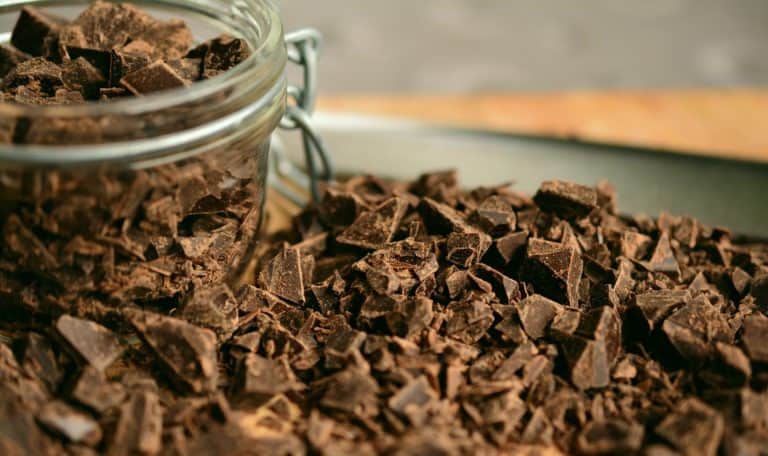
All foods containing cocoa, such as chocolate or baked goods, are off-limits for dogs. Dogs lack the enzyme needed to break down the active compound theobromine fast enough.
A single bar of dark chocolate could kill a 20 kg dog. With the chocolate calculator you can work out how much theobromine your dog has taken in.
The symptoms of theobromine poisoning are:
Grapes

Grapes aren't toxic to every dog. Why they're fatal for some while others stay symptom-free is still unclear.
In a study by the British veterinary poison center in London, 101 of 169 dogs stayed symptom-free: even so, 13 of them died and four had to be put down. A dose of 10 g of grapes or less than 2.8 g of raisins per kg of body weight was found to be enough to cause poisoning. The compound responsible has not yet been identified. With the grape toxicity calculator you can estimate the risk based on body weight and amount.
The symptoms of grape or raisin poisoning are:
Allium plants
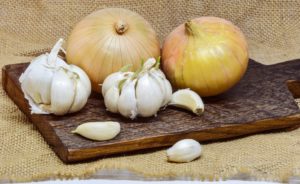
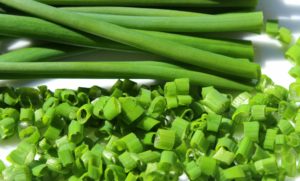

Compounds such as N-propyl disulfide or allyl propyl sulfide in allium plants are toxic to dogs. They attack the red blood cells and eventually destroy them. Japanese breeds like the Shiba Inu and Akita react especially strongly.
The form it's served in makes no difference: cooked, dried, fried or as a powder, allium plants are equally toxic. Poisoning occurs from an amount of 0.5% of body weight onward. For a 10 kg dog that's the equivalent of 50 g of onions. Garlic can be up to 5 times more severe.
Examples of toxic allium plants:
- Leek
- Chives
- Garlic
- Shallots
- Spring onions
- Onions
- Wild garlic
The symptoms are:
Vomiting and diarrhea show up in the first few days. A few days or weeks later, anemia develops. Dogs that are taken to the vet promptly have good chances of recovery.
Macadamia nuts

Why macadamia nuts are toxic is still not exactly known. Some sources assume that the compound amygdalin blocks cellular respiration.
For a 15 kg dog, just 4 nuts can trigger poisoning.
Be careful with unripe walnuts too: the green husks can be infested by a fungus that contains the toxin roquefortine C. Peanuts aren't harmful to healthy dogs: except in cases of heart or kidney problems or histamine intolerance. Bitter almonds contain hydrogen cyanide and are an absolute no.
The symptoms are:
- Stiffness, muscle weakness
- Difficulty walking
- Partly swollen limbs
- Liver damage
Caffeine and theine
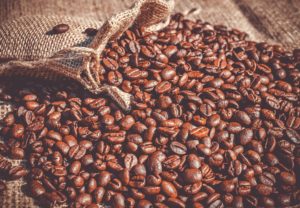
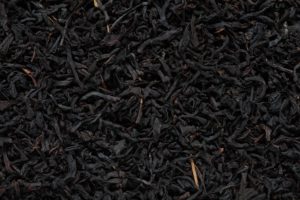
Caffeine and theine are chemically identical. The compound methylxanthine cannot be broken down by dogs and stays in the blood too long. Caffeine raises blood pressure and can trigger life-threatening heart rhythm disturbances.
Many dog owners only think of coffee: but cola, energy drinks, iced tea, black and green tea, and some soda drinks also contain caffeine. Chocolates decorated with coffee beans are doubly dangerous: they contain both methylxanthine and theobromine.
The lowest lethal dose is around 150 mg per kg of body weight.
The symptoms of caffeine or theine poisoning are:
In severe poisoning, body temperature can rise. If poisoning goes untreated, coma and cardiovascular arrest are a risk. Dogs with mild symptoms at the vet have good chances of recovery: with coma or cramps the prognosis is poor.
Xylitol
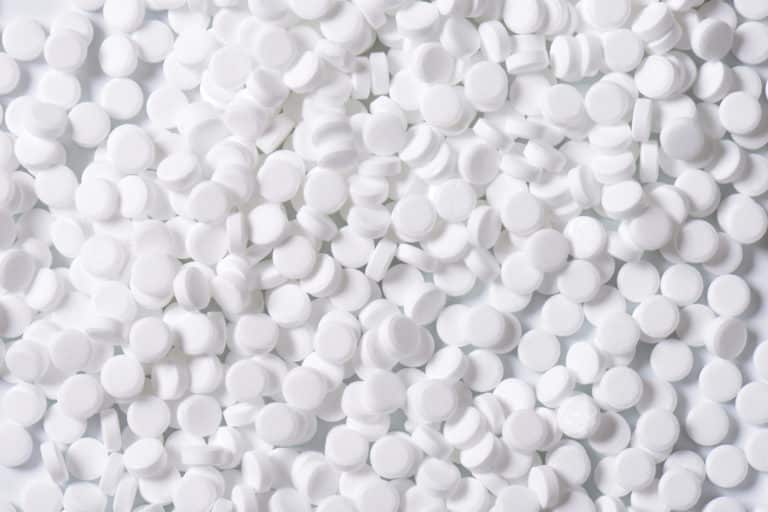
"Sugar-free" on a food package doesn't mean the product is safe for dogs. Instead of regular sugar, these foods contain xylitol.
Xylitol is used in dental care products, medications and dietary supplements. Sugar-free treats like candy, baked goods, pudding and chewing gum contain it too. A dose of 0.1 g of xylitol per kg of body weight can trigger low blood sugar: for a 20 kg dog, 2 pieces of chewing gum are enough. From 0.5 g per kg of body weight, there's a risk of acute liver failure.
The symptoms are:
- Vomiting
- Weakness
- Uncoordinated walking or unsteady standing
- Lack of responsiveness
- Trembling
- Cramps
- Coma
At the first signs, go to the vet immediately. Dogs treated before symptoms appear have good chances of survival. If the animal already has bleeding disorders or liver failure, the prognosis is poor.
Mushrooms

As a rule, mushrooms don't belong in the food bowl. On walks or in the garden, make sure your dog doesn't eat any mushrooms. There's debate about cooked button mushrooms: some dogs can't tolerate even non-toxic mushrooms and get digestive problems. When in doubt, leave them out.
Toxic mushroom species:
Mushroom poisoning can show different symptoms depending on the species. The most common symptoms:
Most common symptoms of mushroom poisoning
If your dog has eaten a mushroom, contact the vet immediately: don't wait for symptoms.
Avocado

With its high content of unsaturated fatty acids, vitamins and minerals, the avocado is healthy for people. For dogs it's dangerous: the avocado contains the substance persin, which has a toxic effect. This substance is especially concentrated in the pit and the skin. Fruit that isn't fully ripe yet has a particularly high concentration of the compound.
Even though some sources call small amounts of fully ripe flesh tolerable: it's better to avoid it entirely: especially with animals that have chronic illnesses.
The symptoms of poisoning usually appear after 24 hours. The symptoms are:
- Shortness of breath
- Fluid retention
- Coughing
- Elevated pulse rate
- Diarrhea / vomiting
- Cramps
If poisoning goes untreated, heart muscle disorders can occur.
Alcohol

Beer, wine, liquor, cocktails containing alcohol, or other alcoholic drinks and foods are an absolute no for dogs. The lethal dose is 5.5 g per kg of body weight. Pre-existing conditions, chronic disorders or foods containing alcohol such as a rum chocolate increase the toxic effect.
The symptoms of alcohol poisoning are:
Raw pork

Raw pork can be infected with the Aujeszky virus. This virus has fatal consequences. Uncooked salami, sausage or smoked meat products made from pork also pose a risk.
The virus can only be killed off at a cooking temperature of 60 °C or higher.
The symptoms are:
- Itching
- Vomiting
- Restlessness
- Loss of appetite
- Fever
After the virus is taken in through the mucous membranes of the mouth and nose, it reaches the gastrointestinal tract, from there the nervous system and finally the brain. The brain tissue is destroyed and the nervous system fails. The incubation period is 2–9 days. The disease cannot be treated and is legally classified as a notifiable animal disease.
Salt

Salt isn't dangerous as part of a healthy diet. From 0.5 g per kg of body weight it becomes toxic. In the body, salt causes more fluid to accumulate. Dogs with heart conditions can't excrete the fluid because of reduced heart performance. Too much salt leads to high blood pressure and kidney damage. Don't feed table scraps, salami, salty snacks or the like.
Tobacco

Tobacco is found in many households: as cigarettes or loose. The nicotine it contains acts as a nerve poison on dogs. In puppies especially, tobacco can lead to circulatory collapse. Keep cigarette packs, tobacco and full ashtrays out of reach. For a 15 kg dog, 10 cigarette butts or 3 cigarettes are enough to cause poisoning.
The symptoms are:
Medications
Medications aren't food, but dogs can quickly snatch tempting tablets off the floor. Keep all medications out of reach: even homeopathic or herbal preparations can be toxic to dogs.
Stone fruit

Stone fruit includes apricots, plums, peaches, bitter almonds and cherries. The problem isn't the fruit but the pit. The pits contain cyanide compounds such as hydrogen cyanide, which can trigger severe neurological disorders. A dose of 2 mg per kg of body weight can lead to respiratory arrest. Pits can also cause an intestinal blockage or injure the stomach lining.
The symptoms of fruit-pit poisoning are:
Nightshades
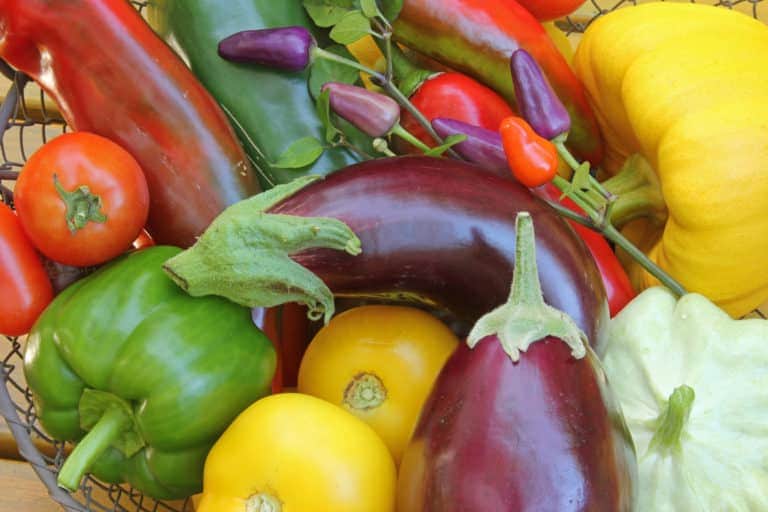
Potatoes, eggplants, tomatoes, bell peppers and chili peppers contain the compound solanine, which forms when exposed to sunlight. Especially high amounts are found in green parts and in the stalk.
The symptoms of solanine poisoning are:
- Irritation of the gastrointestinal tract
- Destruction of the red blood cells
- Inhibition of the nervous system
- Suppression of the breathing and motor centers
- Cardiac arrest
Cooked potatoes are tolerable: remove the green parts beforehand or leave out fully green potatoes. Overripe tomatoes in small amounts (puréed and cooked) contain hardly any solanine, but are hard to tell apart from ripe ones. When in doubt, leave them out. The same applies to eggplants.
Egg white

Egg white contains the compound avidin and binds biotin: also known as vitamin B7. Biotin plays an important role in carbohydrate, protein and fat metabolism. So don't feed raw egg white.
Raw egg yolk can contain salmonella if the egg isn't fresh. Hard-boiled eggs are the safest option.
Legumes

In their uncooked state, raw legumes contain phasin, tannins and alkaloids as well as trypsin inhibitors, which hinder protein digestion. These substances only break down through cooking. Legumes include lentils, beans, chickpeas and soy products.
The symptoms are:
- Reluctance to eat up to food refusal
- Diarrhea
- Cramps
- Hypertrophy of the pancreas
- Death
These foods are hard to digest
1. Milk & dairy products
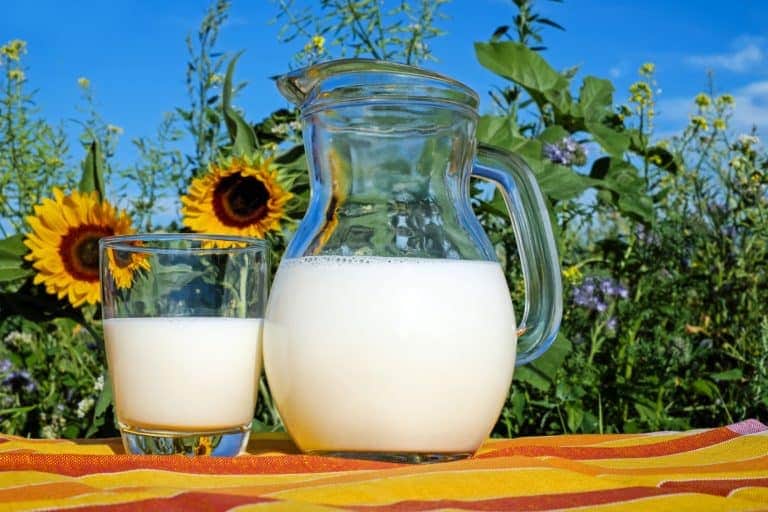
Whether milk or dairy products are tolerable depends on the lactose content. After puppyhood, dogs lack the enzyme in the small intestine needed to fully digest lactose. Depending on the amount, this leads to diarrhea, fermentation problems in the large intestine and abdominal pain. Ask the vet before feeding dairy products.
2. Cooked bones
Cooked or grilled bones are brittle and porous. They can splinter in the digestive tract and cause life-threatening injuries. If bones are fed at all, then only raw. Some dogs can't tolerate raw bones either: in that case, ground bones or safe chews as an alternative.
3. Cabbage vegetables

Cabbage vegetables aren't toxic, but they can cause gas. In small amounts and cooked, they're tolerable.
4. Cold food

Food straight from the fridge isn't recommended: let it warm up to room temperature. Dog ice cream in summer is acceptable in moderation, provided the dog tolerates it.
5. Grains with gluten intolerance

Some dogs can't tolerate gluten. With a gluten intolerance, choose grain-free food.
Grains with gluten: wheat, spelt, rye, barley, triticale
Gluten-free grains: corn, rice, millet, bamboo seeds
BONUS: These house & garden plants are toxic

Plants brighten up the home and garden: but some of them are toxic to dogs. Puppies and young dogs are especially at risk, since they explore the world with their nose and mouth.
Toxic house & garden plants
You'll find more in our big list of over 70 toxic plants.
What are the symptoms of poisoning?
With almost all kinds of poisoning, vomiting is one of the symptoms. Depending on the substance, the other symptoms can vary:
General poisoning symptoms
If you suspect poisoning, go to the vet immediately. Don't try to make the dog vomit: unless the vet specifically gives that instruction. Some symptoms may only appear days later.
What to do in case of poisoning?
- Keep activated charcoal only as a discussed emergency supply: use it only if your vet or an emergency clinic tells you to
- Have the vet's phone number saved from the start
- If you suspect poisoning, contact the vet immediately and stop the dog from continuing to nibble on the toxic substance
- Take a sample or what's left of the toxic substance (chocolate packaging, cigarette pack, etc.) with you, so the vet can take the right measures faster
- Stay calm and reassure the dog
How can I prevent poisoning?
Keep all poisons out of reach. Inform roommates and guests about toxic foods. Train the "leave it" or "drop it" command. Anti-poison-bait training adds extra protection. On walks, use a leash so you can keep your dog under better control.
- Carrots: raw or cooked, good for the teeth
- Eggs (cooked): valuable source of protein
- Rice: easy to digest, ideal as bland food
- Banana: high sugar content, fine as a treat
- Cheese: many dogs tolerate lactose poorly
- Beans (cooked): hard to digest, can cause gas
- Chocolate: theobromine is toxic to dogs, even small amounts can be dangerous
- Onions & garlic: destroy red blood cells, toxic even when cooked
- Grapes & raisins: can trigger acute kidney failure
Further guides
Were you paying attention?
Question 1 of 3Why is xylitol so dangerous for dogs?
You'll find all the topics around dog ownership at Hundeo Pro. From training to nutrition to health: structured courses with video instructions, training tracking, and personal help from real trainers when problems come up.


