

- Occasional vomiting is often harmless
- Warning signs: blood in the vomit, lethargy, repeated vomiting
- If your dog vomits often, be sure to see the vet
Every dog vomits now and then. A typical scenario: the dog eats grass, throws up afterward, and is right back to its cheerful self. That's a normal protective mechanism. But if it happens unusually often or the vomit looks different than usual, you need to figure out the cause.
How Vomiting Happens
The vomiting center in the brain is triggered by various stimuli: problems in the gastrointestinal tract, the liver, or the kidneys; balance issues (motion sickness, ear disease, epilepsy); foreign objects in the throat and neck; and toxins.
How a Vomiting Episode Unfolds
Signs of discomfort and nausea:
- frequent swallowing and lip-smacking
- heavy drooling
- restlessness, stopping mid-walk
- lowering the head, drooping tail and ears
- eating large amounts of grass
Retching: Through alternating contractions of the abdominal muscles and the diaphragm with the mouth closed, the stomach contents are pushed toward the mouth.
Vomiting: The dog opens its mouth and expels the stomach contents. Occasional vomiting is usually normal behavior.
The Two Types
1. Acute Vomiting
The dog spontaneously expels the stomach contents: the episode lasts less than two weeks.
Possible causes:
- eating spoiled food
- food intolerance or allergy
- gulping down food too fast
- switching food too quickly
- swallowing a foreign object (toy parts, wood, bones)
- infections caused by viruses and bacteria, or parvovirus
- poisoning (rat poison, pesticides)
- too much heat and sun exposure
- motion sickness
- hormonal imbalance
- psychological factors such as stress or neglect
- bloat
- a cold
2. Chronic Vomiting
Regular vomiting that lasts longer than two weeks. It usually doesn't improve without medical help. Blood, fecal, and physical exams are needed to find the cause.
Possible causes:
- parasites such as worms or giardia
- viral diseases such as distemper, hepatitis, parvovirus
- bacterial pathogens (e.g., leptospirosis)
- a stomach ulcer
- inflammation of the stomach lining (gastritis)
- inflammation of the colon (colitis)
- liver disease
- inflammation of the pancreas
- kidney disease
- Addison's disease (adrenal insufficiency)
What the Vomit Tells You
If the symptoms show up once or twice and the dog is alert, happy, and eating normally afterward, it's usually a harmless upset.
In the morning before eating: A sign of excess stomach acid: the gastric juice attacks the lining when the stomach is empty for a long time.
Yellow mucus: Points to bile in the gastric juice: a backflow from the small intestine into the stomach.
Water: Gastrointestinal inflammation may be responsible.
Food: Possible food intolerance, stomach irritation, or an intestinal blockage.
Blood (bright red): An injury in the mouth, throat, or esophagus: possible causes are a foreign object, inflammation, poisoning, or a malignant disease. Go to the vet immediately.
Blood (dark red, "coffee grounds"): Comes from the stomach. Possible causes: inflammation, ulcers, tumors. Go to the vet immediately.
When Does It Become Dangerous?
1. Dehydration: Vomiting causes a big loss of fluids. If diarrhea is added to the mix, dehydration can set in fast. Missing electrolytes (potassium, chloride) impair the nerves and muscle cells: this can become life-threatening.
2. Aspiration pneumonia: If the larynx doesn't close properly during vomiting, food or fluid travels down the windpipe into the lungs. You can recognize it by trouble breathing, heavy coughing, apathy, or fever.
Treatment
For harmless vomiting: withhold food for 12–24 hours. This lets the irritated gastrointestinal tract settle down. Water must always stay available. After that, slowly introduce a bland diet: low in fat and easy to digest.
If the urge to vomit doesn't ease up after the fast, or if blood, pain, fever, or diarrhea is added to the mix, you need to see the vet.
Bland Diet of Chicken and Rice
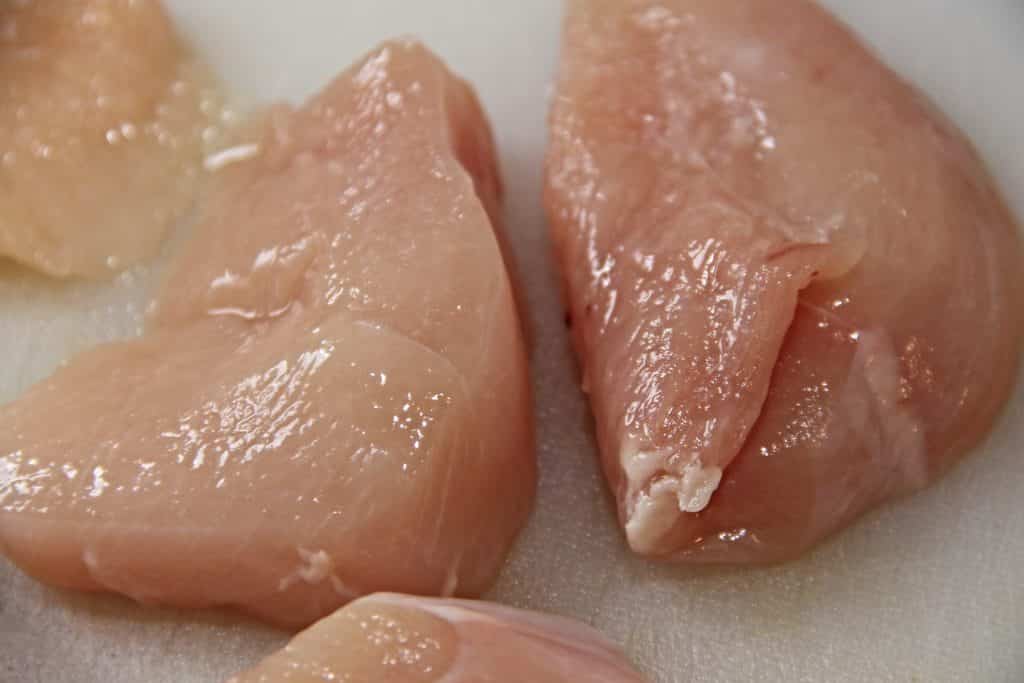

For acute symptoms: bring chicken broth (600 ml) to a boil, add 1 cup of rinsed rice (about 230 g), and let it simmer for 20 minutes. Cook the chicken meat separately, remove the bones, dice it, and let it cool. Skim the fat off the broth. Ratio of rice to chicken is 2:1 or 3:1.
After a few days of the bland diet, slowly transition back to the regular food over 4–5 days. If the bland diet doesn't help or the symptoms get worse, go to the vet immediately.
What the Vet Examines
The vet will ask about the history and eating behavior, check for fever, examine the eyes, and palpate the abdominal organs. In case of poor overall condition, blood in the stool, or fever: a blood test (which gives information about the liver, kidneys, and diabetes). If a foreign object or intestinal blockage is suspected: an X-ray. For a more detailed look: endoscopy or ultrasound.
Preventing Vomiting
- keep an eye on what and when your dog eats
- choose toys that can't be broken into swallowable pieces
- put away foreign objects around the home
- through training, teach your dog not to lick or eat anything unfamiliar
- for "vacuum-cleaner dogs": a muzzle to protect against poisoning and foreign objects
- no foods that don't agree with dogs: nothing very fatty, spiced, or fried, no raisins, chocolate, milk, or splintering bones: full list: What dogs can't eat
For mild symptoms, the following measures can be carefully tried:
- bland diet with rice, carrots, or chicken
- healing clay
- chamomile tea
- electrolytes
Charcoal tablets are not a home remedy for vomiting. Use activated charcoal only when poisoning is suspected and your vet or an emergency clinic instructs you to.
These remedies are only suitable for a one-time, mild bout of vomiting with no accompanying symptoms. If your dog vomits repeatedly, is apathetic, has a fever, or vomits blood, home remedies aren't enough.
Were you paying attention?
Question 1 of 3Your dog vomits once and is right back to normal afterward. What do you do?
You'll find every topic around dog ownership at Hundeo Pro. From training to nutrition to health: structured courses with video instructions, training tracking, and personal help from real trainers when problems come up.


