Key Takeaways Why is the "heel" command important?: It keeps your dog safe in busy or dangerous situations, strengthens your bond, and makes walks way more enjoyable. Preparation: Grab a good leash and harness, start in a quiet spot, and reward every small win to build your dog's motivation. Training in four steps: Start with short, simple exercises, gradually raise the bar, and add distractions so your dog can handle real-world situations. Common challenges: Leash pulling, distractibility, confusion, and frustration are all normal — and you can work through them with patient, structured training and positive reinforcement. Training puppies: Start early with short, upbeat sessions to build a solid foundation for obedience and safety down the road.

Teaching your dog to heel is a core part of basic training. You know that feeling when you see a dog walking calmly right beside their owner? It looks great — but it's not just about appearances. This command is incredibly useful in all kinds of everyday situations.
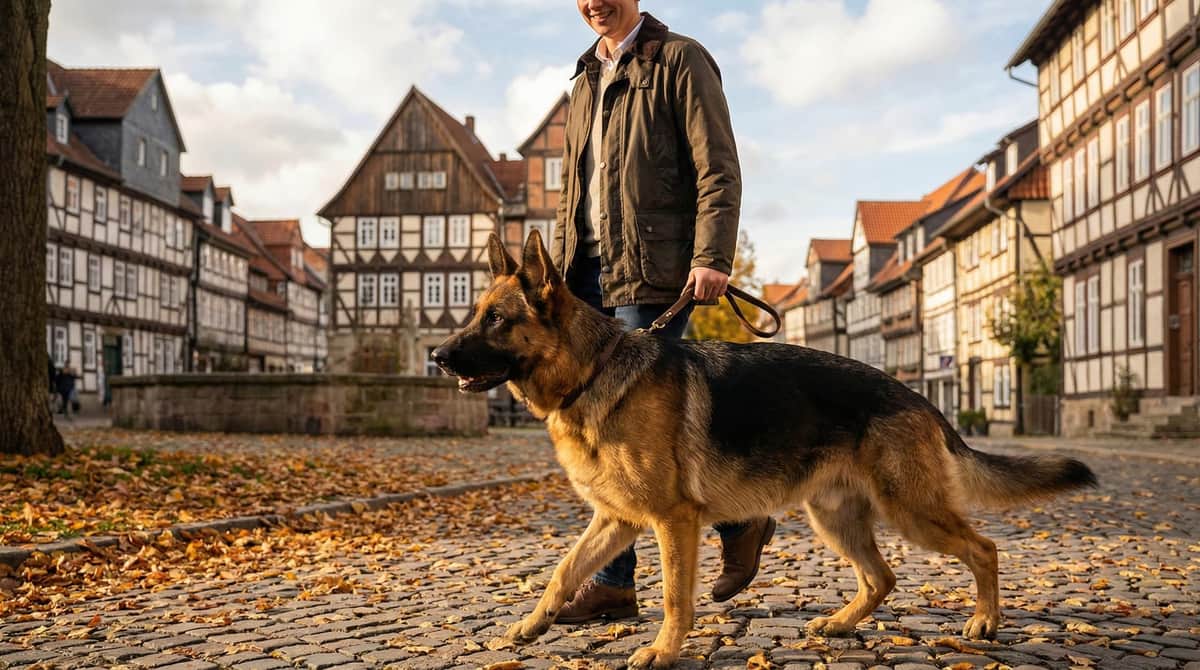
"Heel" means your dog walks right beside you, with their shoulder roughly at your knee level. They should be relaxed but tuned in to your movements and cues. In heel position, your dog stays close without pulling ahead or lagging behind. They watch you and respond to changes in your direction and pace.
Every dog should learn to heel early on. But why does it matter so much? Simple: there will always be moments when your dog absolutely needs to be right by your side.
Think about a crowded downtown sidewalk, a narrow path along a busy road, or running into another person walking their dog.
In these moments, "heel" is your safety net. Your dog walks close and stays focused on you. They won't block other pedestrians, and they're better protected — for example, if someone accidentally bumps into them.
Focusing on you also keeps your dog from rushing up to greet a stranger or another dog without permission. Once this command is solid, you'll handle everyday situations together with way less stress.
Before you start working on "heel," a little preparation goes a long way. The right gear and a positive training setup are key to teaching your dog this important command.
Pick a leash that gives your dog some room to move but is short enough to keep control. A standard leash around 5 to 6 feet long is usually ideal. A well-fitting harness works especially well for dogs that tend to pull — it's gentle and distributes pressure evenly instead of straining the neck. If you prefer a collar, make sure it fits comfortably without slipping or pressing too tight.
Start somewhere calm with minimal distractions, like your yard or a quiet park. This helps your dog zero in on the training. Set up a schedule with regular practice times so you build a routine. Short, frequent sessions work much better than long, exhausting ones. Your attitude matters too — be patient, encouraging, and upbeat to create a good learning atmosphere. Keep high-value treats or a favorite toy within reach. Reward your dog for every small win to keep them motivated for the next step.
Make sure your dog is healthy and up for training. A well-rested (but not overtired) dog is ideal. Pay attention to their mood — they should be alert and interested, but not wound up or anxious.
Start training in a low-distraction spot — this cuts down on distractions and helps your dog focus on you. Your home is a great place to begin. Also, keep your sessions short. If they drag on too long, your dog will lose focus and progress will stall.
First, decide whether your dog should walk on your right or left side. Hold a treat in the hand on that side. If you're starting indoors, you don't need a leash. Outdoors, though, it's a good idea to use one. Get your dog's attention by talking to them and showing them the treat.
Reward your dog when they look at you — especially when they do it on their own. Mix up the rewards: treats, verbal praise, and petting all work well. Just don't get too excited — you don't want them jumping up on you!
Once your dog is sitting or standing on the correct side, give the "heel" cue and take 2 to 3 steps forward. Your cue can be a pat on your thigh or a verbal command like "heel" or "with me." A few steps are plenty at first.
Your dog will follow you because they're focused on the treat in your hand — this naturally keeps them in the right position. Stop and give them the treat when they've done it right. Praise them verbally too.
Make sure your dog doesn't jump on you to grab the treat. If they do, stop and wait until they're standing calmly beside you again, then repeat the exercise. Run through this short step several times successfully — ideally across multiple training sessions — before moving on.
Always end the command with a release word like "free" or "okay." This lets your dog know when the exercise is over so they're not deciding on their own when it's done.
Raise the bar gradually. Start by simply extending the distance your dog needs to heel. Lift the hand with the treat a little higher. Do this in small increments and repeat each exercise multiple times successfully before adding more distance.
It's also smart to work in curves and obstacles during training. This makes real-world situations easier later on, since you won't always be walking in a straight line. Vary your pace too — sometimes creep along slowly, sometimes walk at a normal speed, sometimes pick it up to a jog.
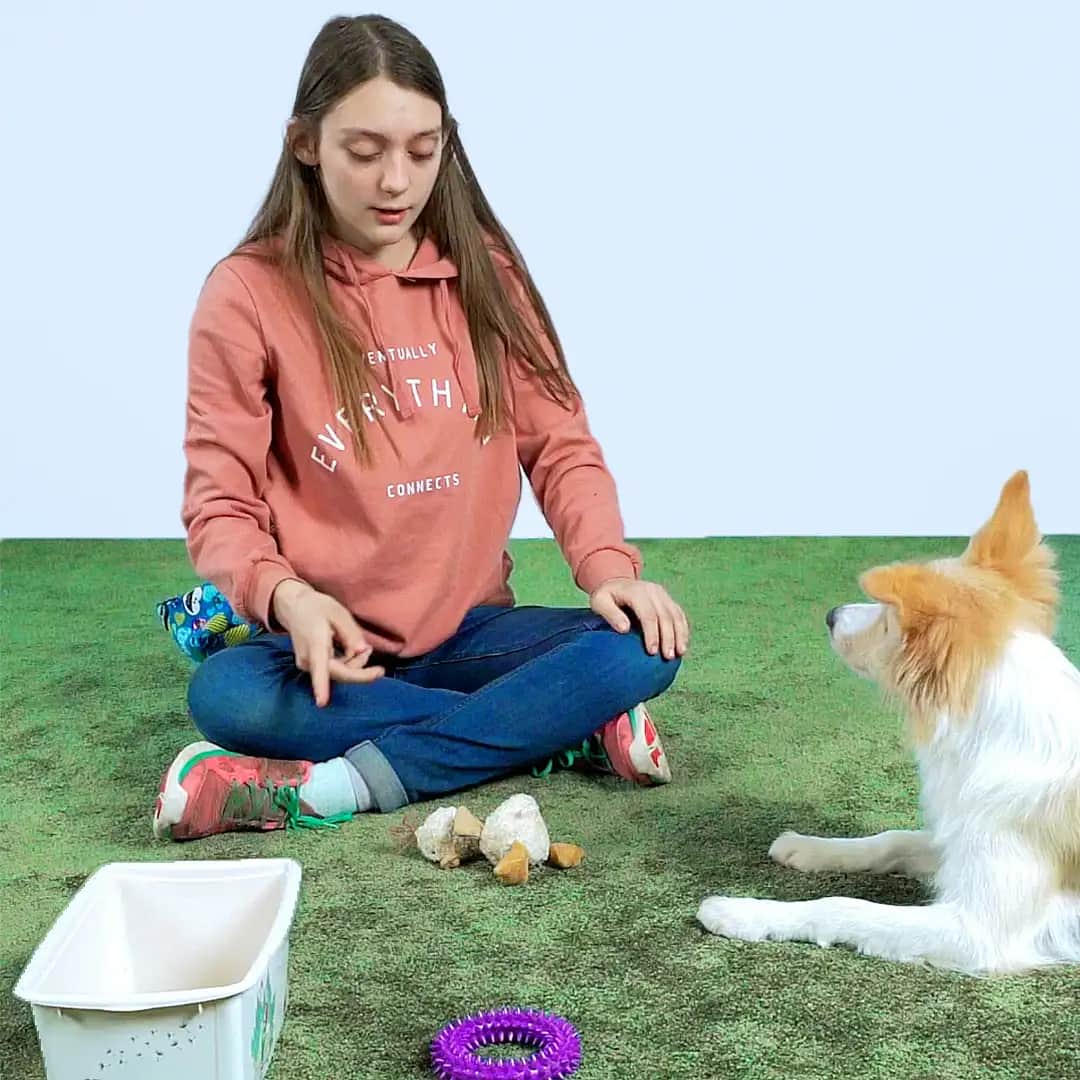
You can now hold the treat less obviously so your dog learns to truly focus on you, not just on the reward. You're the gateway to the jackpot! At this stage, you can also start introducing mild distractions. Have a friend walk past you, or place your dog's favorite toy where they can see it.
Your dog should keep walking beside you and focusing on you instead of the distraction — and definitely not running toward it. Practice these scenarios multiple times in a row successfully before making things harder again. Regular breaks are just as important for success as nailing the repetitions.
Once the earlier steps are going well, take the training outdoors and gradually introduce real-life situations. For example, have your dog heel while another dog walks by, or stroll past a playground full of kids.
You're the best judge of how well your dog has mastered this command. When you trust them, try heeling through a busy farmers' market. Just know that this is seriously challenging — there are exciting distractions everywhere.
It takes a lot of practice and patience before your dog can handle that level of stimulation. Don't get frustrated if things go sideways. Just dial it back and practice in a calmer setting. Over time, you can phase out treats more and more. Once your dog has truly internalized the command, verbal praise is all they'll need.
Prefer a visual approach? If you learn better by watching, our app offers step-by-step video tutorials to teach your dog to heel. Learn more about our app here.
Training "heel" can be frustrating at times — for both you and your dog. Here are some of the most common issues that pop up during training, along with practical solutions to work through them.
Understanding these challenges and tackling them head-on will make your heel training much more effective. Every dog is different — some may need extra adjustments or more patience. Remember, the goal is a relaxed, safe partnership with your dog, built on understanding and mutual respect.
The "heel" command is a great way to teach your puppy to walk calmly and attentively by your side. It's more than just an obedience exercise — it's a chance to strengthen your bond and lay the groundwork for safe, enjoyable walks. Here's how to get started:
Build the Foundation Start with short sessions: Puppies have short attention spans, so keep training sessions brief (5–10 minutes) and fun. Positive environment: Begin in a quiet spot without distractions so your puppy can focus on you.
Introduce the Command Leash and harness: Get your puppy used to wearing a leash and harness. Let them sniff the gear and get comfortable with it. Introduce the command: Stand or sit next to your puppy and say "heel," followed by their name. You can pat your leg to direct their attention.
First Steps Encourage them to follow: Take a few steps and lure your puppy beside you with a treat or toy. When they follow, praise them enthusiastically and hand over the reward. Short distances: Start with just a few steps and gradually increase the distance as your puppy catches on.
Consistency and Patience Repetition and routine: Practice daily, but don't overdo it. Short, regular sessions beat long, tiring ones every time. Be patient: Not every day will be a win. Show patience and understanding — learning is a process.
Positive Reinforcement Use rewards: Reward your puppy right away when they walk correctly by your side. Praise, treats, or their favorite toy all work great. Build a strong bond: Use training time to strengthen your relationship with your puppy. Keep things lighthearted and fun.
Master the Challenges Add distractions: Once your puppy can heel in a quiet setting, introduce mild distractions like household noises or a calm park. Keep adjusting: Adapt your training to your puppy's progress and personality. Every puppy is unique and learns at their own pace.
Teaching your puppy to heel early sets the stage for a lifetime of safe, enjoyable walks. Remember — it's not just about obedience. It's about exploring the world together, safely and with joy.
Make sure leashes and harnesses fit properly and aren't showing signs of wear — you don't want any accidents. If you use a collar, check that it's not too tight and that your dog is comfortable.
Keep physical limitations in mind. Consider your dog's age, health, and fitness level. Older dogs or those with health issues may need shorter, gentler sessions. Watch for signs of fatigue or overexertion and wrap up training before your dog gets exhausted or stressed.
Pick safe, quiet spots for training to minimize distractions and hazards. Stay aware of your surroundings and avoid situations that could put your dog or others at risk.
Stick with positive reinforcement to keep stress low and learning experiences positive. Be patient and understanding. Every dog learns at their own pace, and pressure or punishment will only backfire.
Build regular breaks into your training so your dog can recharge.
Always have fresh water on hand, especially on hot days. After each session, check your dog's paws, coat, and overall condition to make sure they haven't picked up any injuries or discomfort. Give your dog plenty of time to rest and recover after training.
Positive reinforcement is a powerful, dog-friendly way to teach "heel." It's based on a simple principle: reward the behavior you want, and you'll see more of it. Here's how to use it effectively and why it works so well.
Positive reinforcement makes training more engaging and rewarding for your dog. A motivated dog is more willing to learn and cooperate. This approach builds a trusting, respectful relationship between you and your dog — which is exactly what you need for heel training.
Reward your dog right away when they heel correctly. This helps them connect the behavior to the reward. Use consistent cues and rewards so your dog knows exactly what's expected and when a treat is coming.
Choose rewards your dog genuinely loves — whether that's their favorite treats, praise, or a quick play session. Match the reward to the effort. Switch up your reward types to keep your dog interested and prevent them from fixating on just one kind.
Once your dog heels reliably, start gradually reducing how often you give treats. Replace them with verbal praise or petting to build lasting behavior change.
When you use positive reinforcement the right way, you can teach your dog to heel in a way that's enjoyable and rewarding for both of you. Remember — every dog is unique, with their own learning style and pace. Celebrate the small wins and enjoy the time you spend training together!
This command tells your dog to walk right beside you on cue. It comes in handy in countless everyday situations — like navigating a crowd or passing another dog on the sidewalk.
Your dog isn't being disobedient on purpose! They may just not fully understand what you're asking yet, or they can't resist all the interesting distractions around them. That's totally normal — it's in their nature to want to sniff and explore everything! That's why patience, lots of repetition, baby steps, and plenty of praise and rewards are the secret ingredients to lasting training success.
The key is to practice in small steps. Start in a spot with few exciting distractions. Over time, gradually increase the difficulty. You'll find a detailed guide in our article above.
You can start teaching "heel" once your puppy understands basic commands like "sit" and can focus for short stretches — usually around 8 to 10 weeks of age. Keep sessions short, positive, and playful to hold your puppy's attention and interest.
The "heel" command is a valuable skill that will benefit both of you every single day. It gives you the freedom to explore the world together without stress, knowing your dog is safe and attentive right by your side.
With every step you take together, you strengthen your bond and deepen your understanding of each other. It's a long but rewarding journey that builds a closer, more trusting relationship between you and your dog.
Follow these tips and you'll get there: