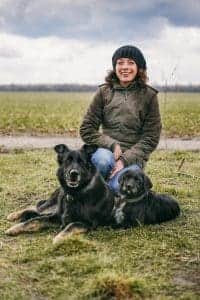
Anja Boecker
Dog Trainer, Behavioral Consultant & Author
Anja Boecker is a dog trainer in Munich, behavioral consultant (IHK), lecturer, and author. At her CityDogs dog school, she works with human-dog teams and helps dog owners better understand body language, everyday training, and behavior problems.
Articles by Anja Boecker (56)

Dog Training: Basics, Methods, and Common Mistakes
Dog training starts on day one. Positive reinforcement is the most effective method: reward correct behavior, ignore unwanted behavior. The basic commands Sit,...
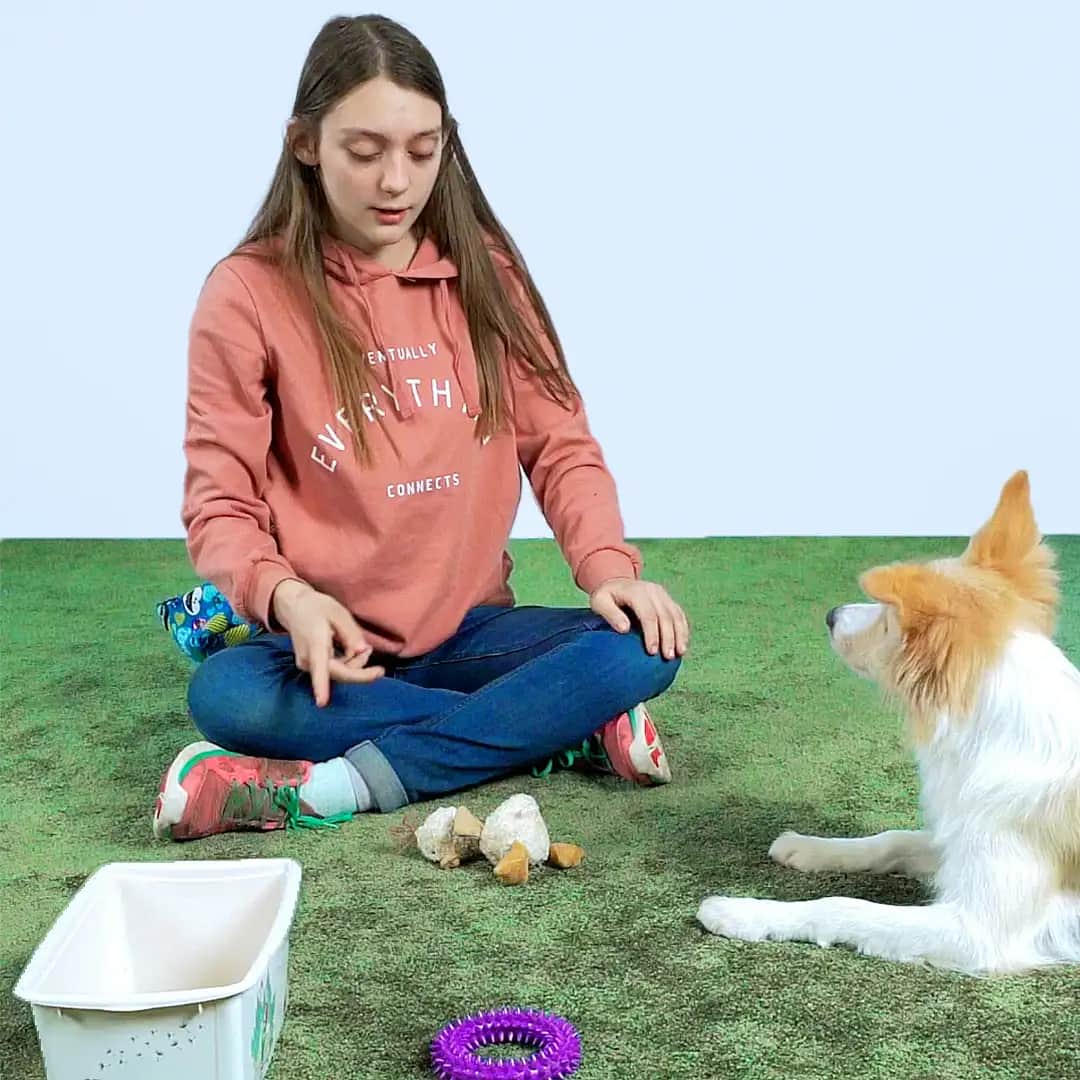
Teach Your Dog to Tidy Up: Step-by-Step Guide
Tidy Up is an advanced trick where your dog puts their toys into a box. The trick is based on fetch: your dog must be able to reliably pick up an object and...
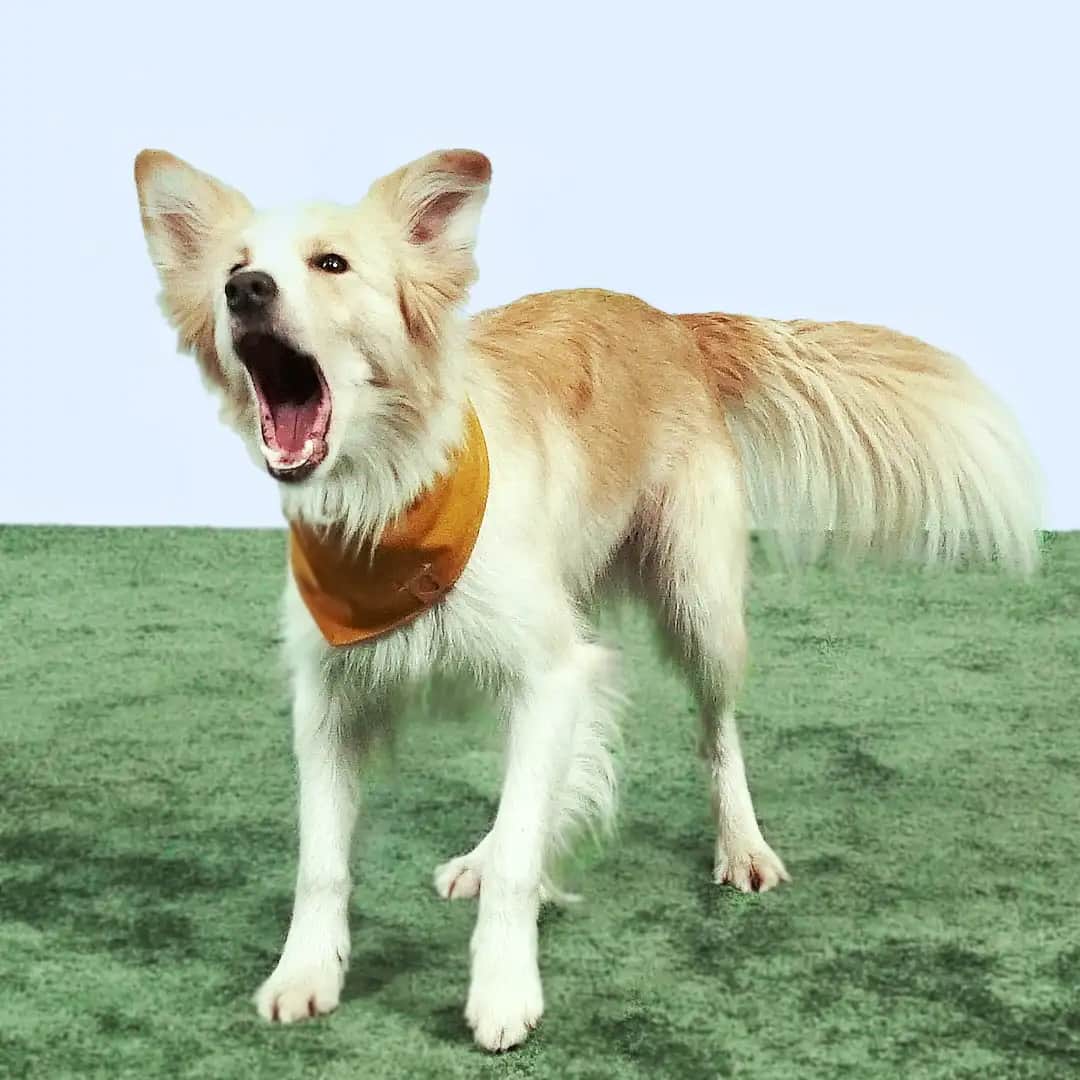
Teach Your Dog to Speak on Command in 3 Steps
Speak is a trick that builds on natural behavior. Your dog barks anyway, you just give that barking a name. Capture natural barking, mark it at the right...
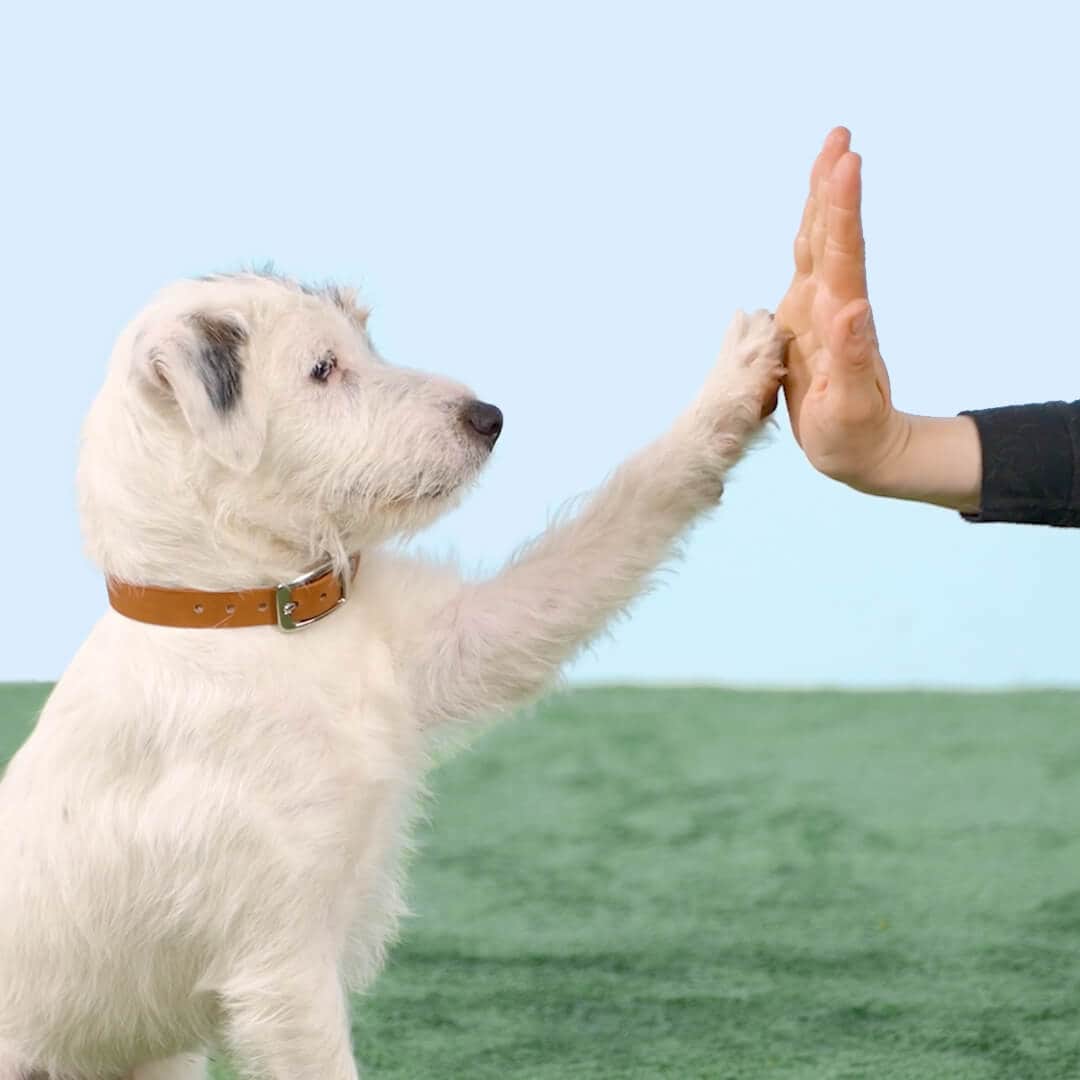
Teach Your Dog High Five: Step-by-Step in 3 Steps
High five builds directly on paw. Instead of holding your hand horizontally, you hold it vertically with the palm facing forward. The dog lifts his paw and...
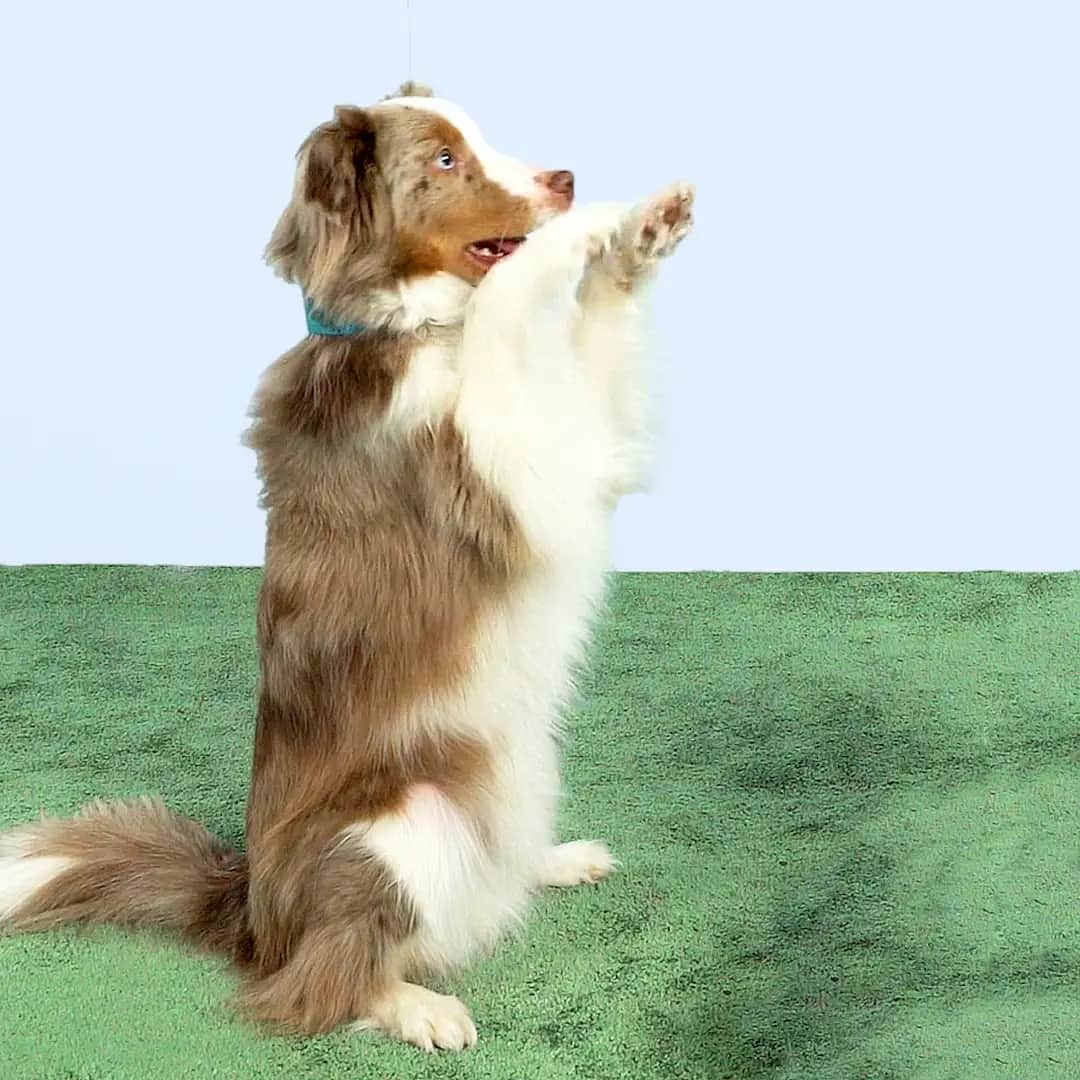
Teach Your Dog to Beg: Step-by-Step Guide in 4 Steps
Beg (sit pretty) is an advanced trick where your dog lifts both front paws from a sit position and balances upright. Prerequisite: a reliable sit. Not suitable...
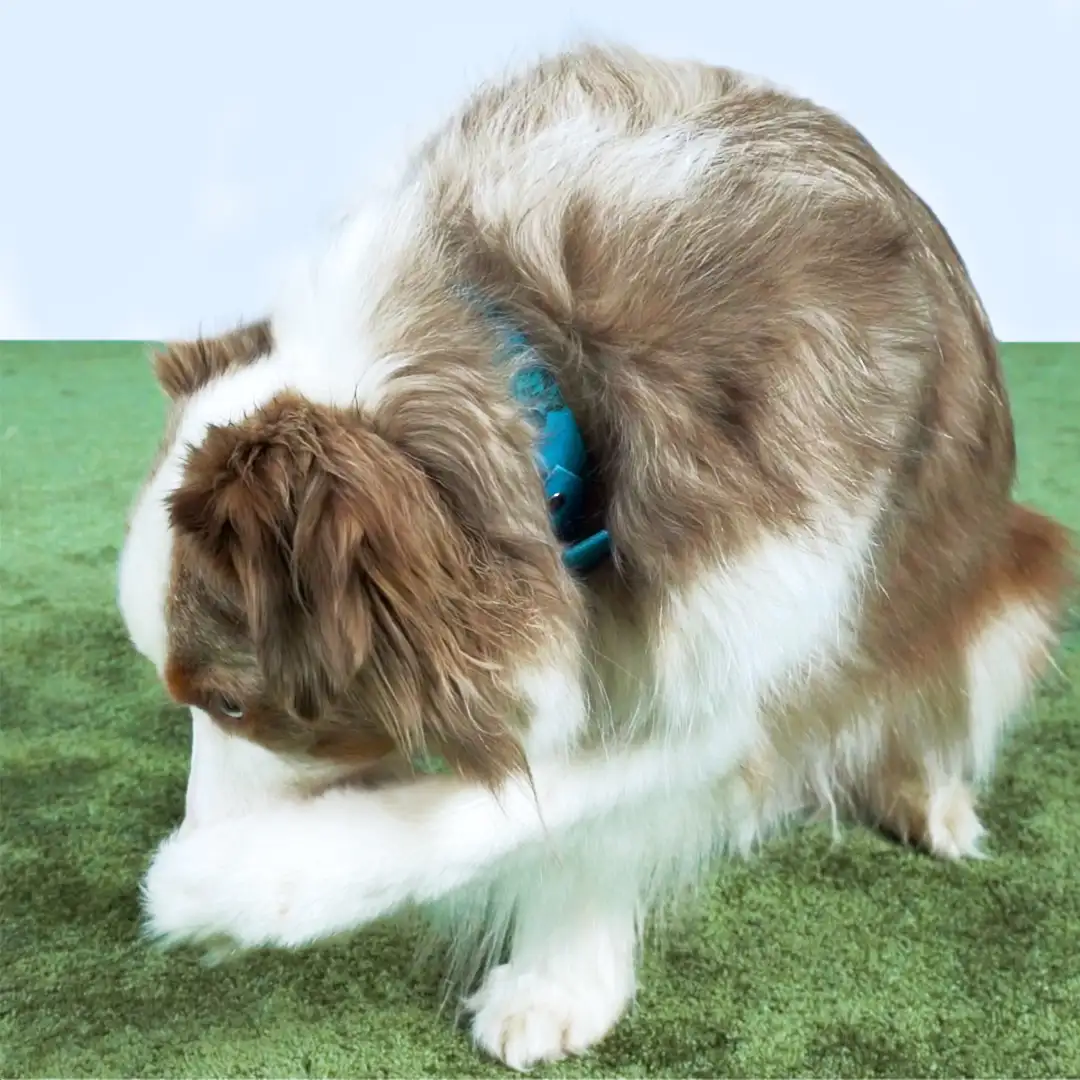
Teach Your Dog to Cover His Nose: Guide in 3 Steps
Cover your nose (shame) is an advanced trick where the dog wipes a paw over its nose. Prerequisites: sit and down must be solid. The trick is built using a...
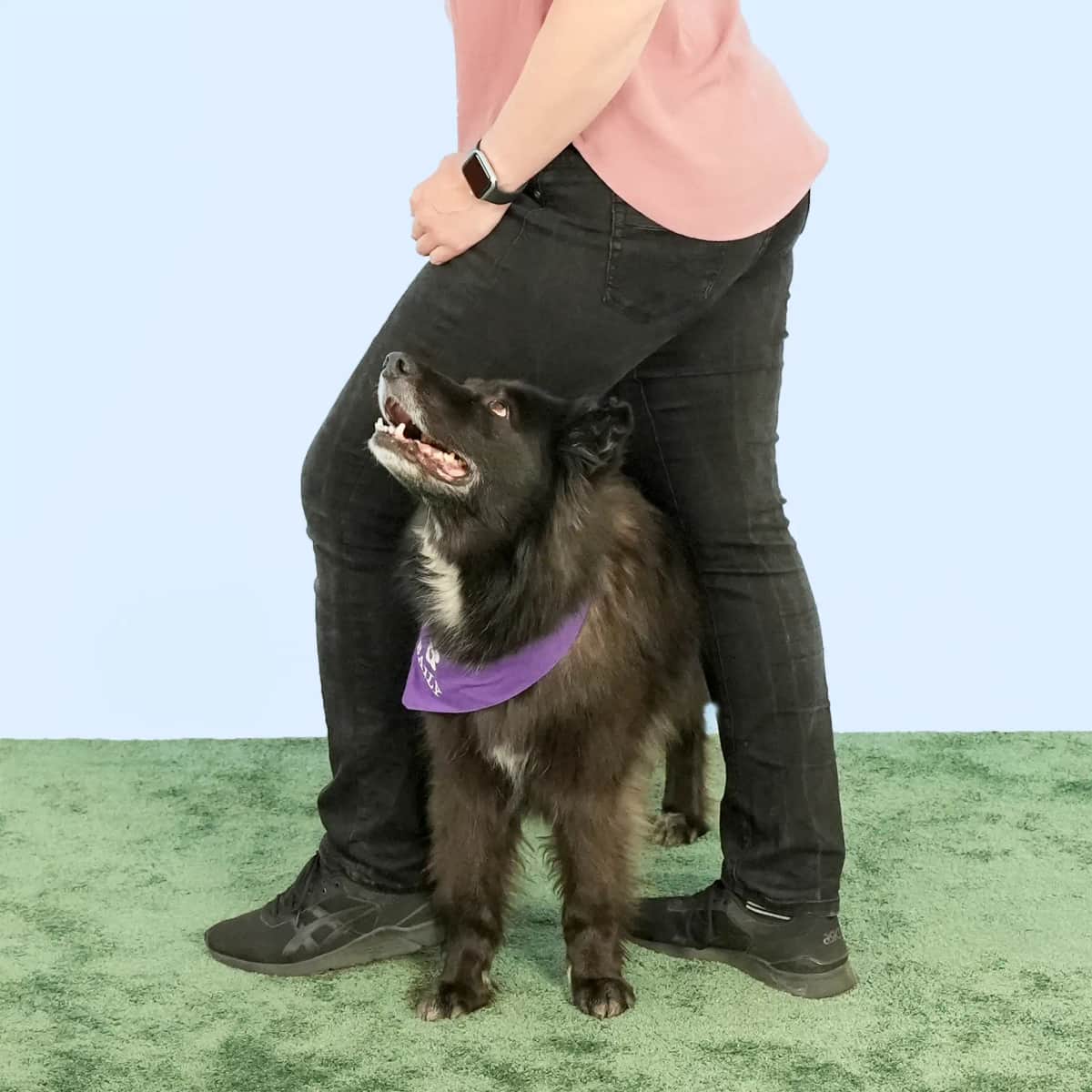
Teach Your Dog to Weave Through Your Legs in 3 Steps
In the leg weave, your dog zigzags between your legs as you walk forward. The trick looks spectacular but is straightforward to build with treat luring. Start...
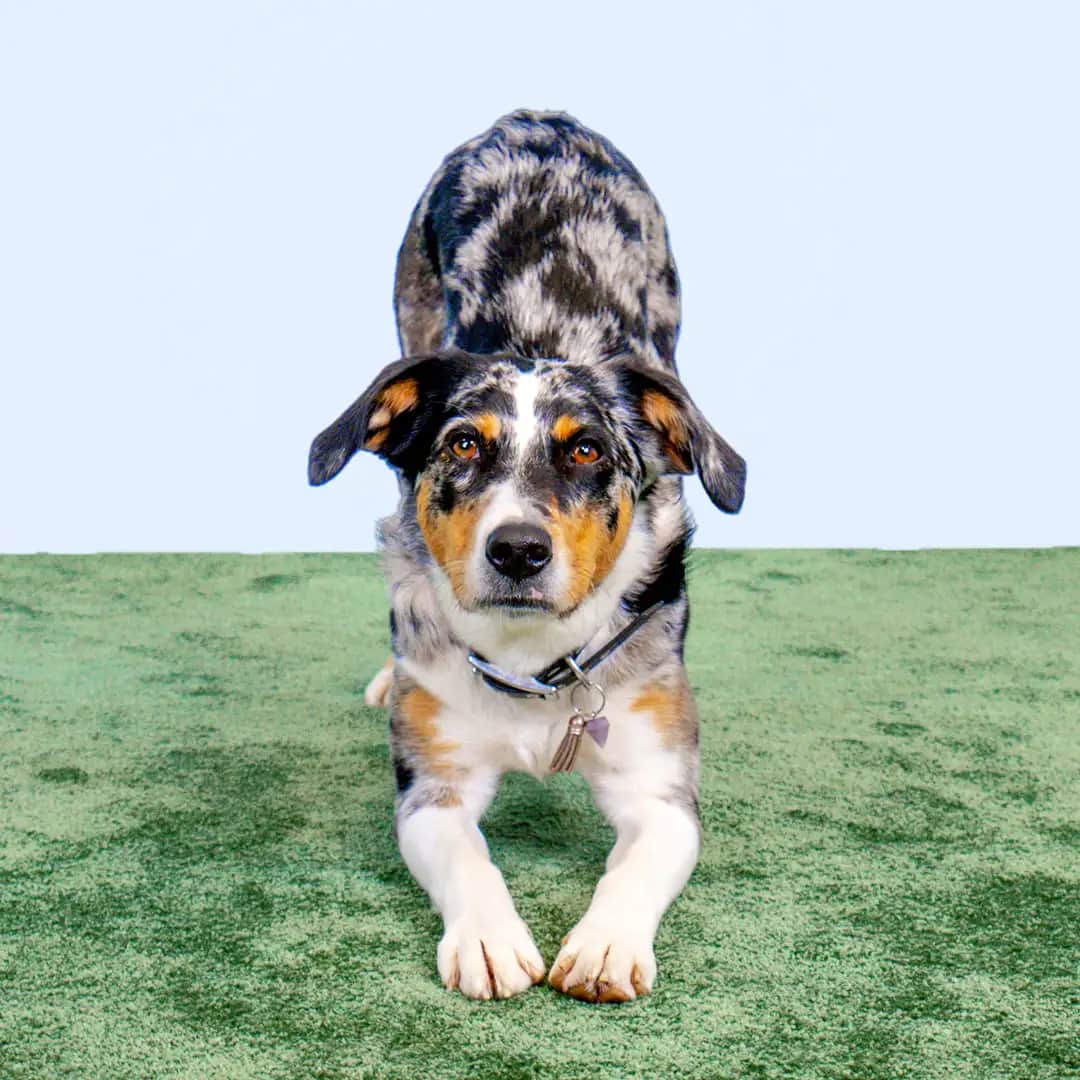
Teach Your Dog to Bow: Step-by-Step Guide in 3 Steps
In the bow (also called Take a Bow), the dog lowers the front legs and chest while the rear end stays up. The position resembles the natural play bow. As a...
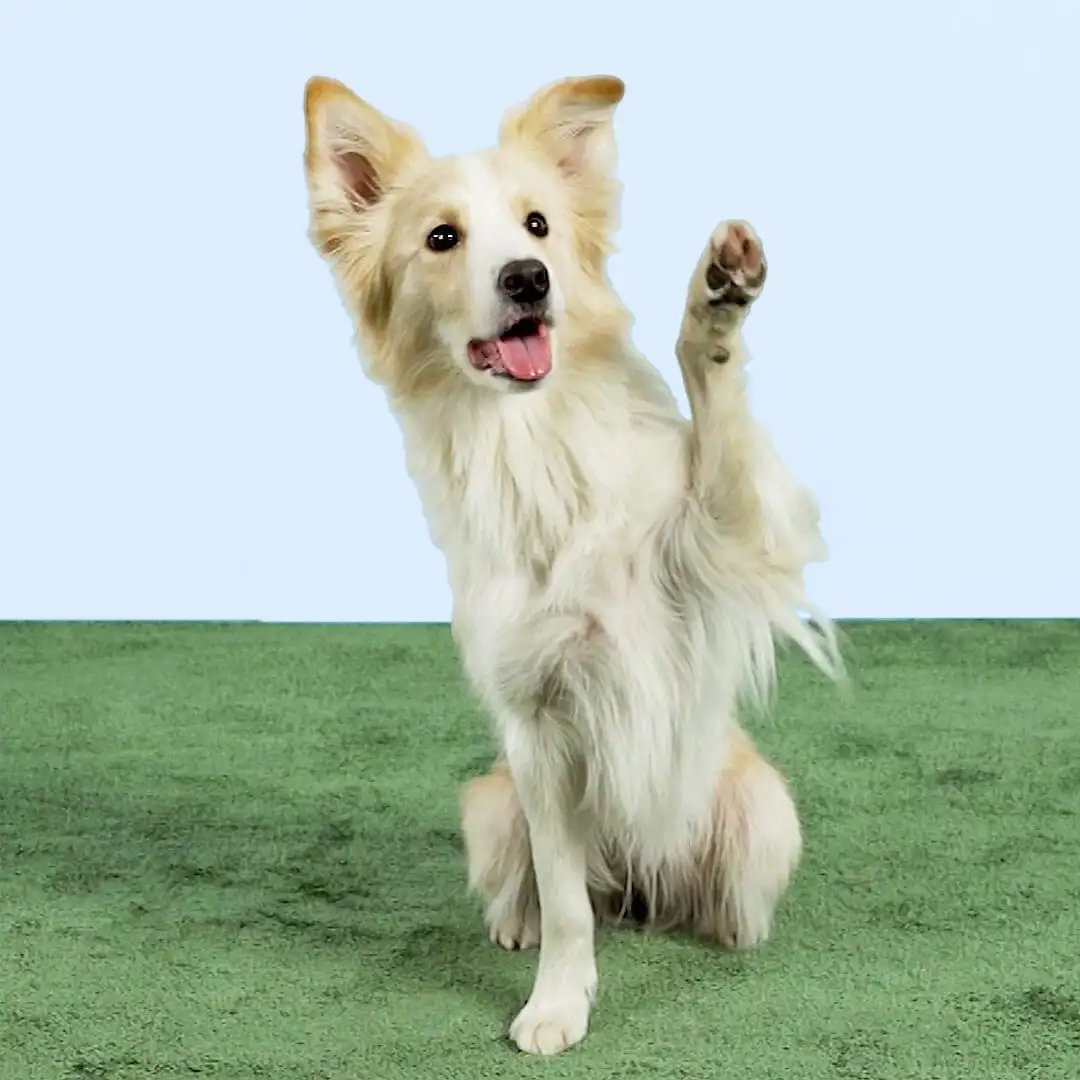
Teach Your Dog to Wave: Step-by-Step Guide
Waving builds directly on the paw shake. Instead of catching the paw, you pull your hand away so your dog scratches at the air with their paw. Mark and reward...

Dog Commands: The 7 Most Important Basic Commands
7 basic commands form the foundation of all dog training: Sit, Down, Stay, Come, Heel, Drop It and No. The order matters because each command builds on the...

Building Bite Inhibition in Your Puppy: A Step-by-Step Guide
Puppies bite during play because they're exploring their world and testing their strength. That's normal behavior, not a sign of aggression. Train from the...

Teach Your Dog to Lie Down: 4-Step Guide
Down is the second most important basic command after Sit. Training in 4 steps: slowly guide a treat from Sit down to the ground until your dog lies down....

Puppy Training: The Essential Basics to Get Started
The socialization window (week 3 to 16) is the most important phase for puppies. Whatever your dog gets to know in this phase, he accepts more easily for life....

Building a Bond With Your Dog: What Really Matters
Dogs bond with the person who gives them dependable attention: whoever feeds them, trains them, goes on walks, and offers protection in tough moments. With...

Dog Body Language (4 Signals You Should Know)
Dogs communicate through body language, facial expressions and vocalizations. Tail wagging does not always mean happy: a stiff, high wag signals arousal or...

How to Get Your Dog to Stop Digging (9 Tricks That Work Immediately)
Dogs dig for five reasons: boredom, prey drive (moles, mice), temperature regulation (cool earth in summer), hiding food, or breed predisposition (terriers,...

Impulse Control in Dogs: Tips for Better Self-Control
Impulse control is the ability to resist an immediate reward for a better outcome. It underpins every other command: a dog that cannot wait cannot stay, heel,...

Puppy School: When to Start, What to Look For, and What It Costs
Puppy school between weeks 8 and 16 of life, after the first vaccination. Cost: 80 to 150 euros for a course (6 to 8 weeks). Marks of a good puppy school:...

Your Dog Bites? (5 Causes & What You Can Do)
Dogs rarely bite without warning. Growling, stiffening, whale eye, and lip licking are escalation signals that were either missed or suppressed. Most bites...

Dog School (The Best Path to Good Training)
A good dog school uses reward-based methods, keeps group sizes small (max 6 to 8 dogs), and separates by age and size. Warning signs: trainer uses choke...

Leaving Your Dog Alone? (These Exercises and Tips Actually Work)
Separation anxiety affects up to 20% of dogs. Prevention starts in puppyhood: leave the room for a few seconds, return calmly, gradually extend absence. Signs...

How to Stop Your Dog From Barking in 5 Simple Steps
Dogs bark for a reason: alert, demand, frustration, fear, or excitement. Identify the trigger first. For demand barking: completely ignore it (no eye contact,...

How to Stop Your Dog From Jumping Up | 11 Tips & Methods
Dogs jump up because it works: they get attention, eye contact and often touch. To stop it, remove the reward: turn away, fold your arms, no eye contact. The...

Dog License in the US: Requirements, Cost, Registration
A dog license (Hundesteuer) is mandatory in most German cities and municipalities. Cost ranges from 50 to 200 euros per year depending on the city. Listed...

Teach Your Dog to Sit: Guide in 4 Steps
Sit is the first and simplest basic command. Training can start from 8 weeks. Slowly guide a treat over the nose and backward, the dog sits down automatically....

Crate Training: Get Your Dog Used to a Crate in 4 Steps
A properly introduced crate isn't a cage, it's a safe retreat. Dogs naturally look for den-like spots. The setup happens in 4 steps: let your dog explore the...

Teach Your Dog to Fetch (In 5 Simple Steps)
Fetch combines physical exercise with obedience training. Build it in 3 phases: first train interest in the toy (tug, chase), then the pickup (mark and reward...

Teaching Your Dog to Heel: Training in 4 Steps
Heel means your dog walks at knee height beside you without pulling. The prerequisites are sit and eye contact. Training is possible from 8 weeks on, in short...

How to Stop Food Aggression in Dogs (8 Steps That Work)
Food aggression (resource guarding) ranges from stiffening over the bowl to growling and snapping. It is a survival instinct, not dominance. Prevention in...

Puppies and Stairs: When, How to Train, Risks
Young puppies should not use stairs unsupervised. Gentle, supervised stair training can begin around 12 to 16 weeks, and supervised independence around 4 to 6...

11 Tips for Effective Long Line Training
Leash walking is a skill that must be trained, not an instinct. Start indoors with a lightweight leash and let the puppy drag it. Reward following you. Move to...

Puppy Games: 5 Games for Indoors and Outdoors
Puppies need 15 to 20 hours of sleep a day. Play in short sessions of 5 to 10 minutes, then take a break. The 5 best puppy games: tug-of-war (trains bite...

How to Use Dog Whistles Effectively
A dog whistle produces a consistent tone that carries further than the human voice and stays calm even when the handler is stressed. Frequency range: 16,000 to...

32 Dog Tricks with Instructions (Easy to Hard)
10 minutes of trick training tires a dog mentally more than a 30-minute walk. 32 tricks sorted by difficulty: beginner (sit, paw, roll over), intermediate...

Anti-Poison-Bait Training: How to Teach Your Dog Not to Eat Anything off the Ground
Anti-poison-bait training is built on a reliable stop signal ('Leave it'). Building it up takes 2 to 3 weeks with 3 sessions per week of 10 to 15 minutes each....

Dog Chews Everything? (Try These Tips)
Destructive chewing in puppies is normal: they explore with their mouths and need relief during teething (3 to 7 months). In adult dogs it signals boredom,...

Brain Games for Dogs: 12 Ideas for Mind and Nose
10 minutes of scent work tire a dog mentally as much as a 30-minute walk. Best starter games: snuffle box (cardboard box with newspaper and treats), cup game...

Dog Psychology (5 Tips for Better Communication)
Dog psychology is based on learning theory, not dominance hierarchy. Dogs repeat behaviors that are rewarded and avoid behaviors that have no payoff. Four...

Teach Your Dog to Swim: A 6-Step Guide
Not every dog can swim by nature. Breeds with a short muzzle (pugs, bulldogs) or a long back (dachshunds) are at an anatomical disadvantage in the water. Build...

7 Tips to Help Your Dog and Cat Get Along
Dogs and cats can live together peacefully, but the introduction must be controlled. Keep them separated for the first 3 to 7 days with scent exchange only....

Dog Doesn't Listen? (This 5-Step Guide Will Help You)
The 5 most common reasons a dog does not listen: the cue is given several times (the dog waits for the third repetition), unclear body language and gestures...

Dog Growling? 4 Tips to Handle It Right Now
Growling is communication, not aggression. It means the dog is uncomfortable and asking for space. Never punish growling because that removes the warning...

Online Dog Training: Is It Worth It? (Our Experience)
Online dog training costs 5 to 30 euros per month, significantly cheaper than in-person dog school (80 to 200 euros per course). Advantages: train whenever you...

Housetraining a Puppy: Step-by-Step Guide with Timeline
Most puppies are housetrained by 4 to 6 months. A steady routine is what makes the difference: out every 2 hours, after every meal, after every nap, after...

How to Leash Train a Dog in 7 Easy Steps
Loose-leash walking means the dog stays within leash length without pulling. Stop-and-wait method: the moment the leash tightens, stop. Wait for the dog to...

Clicker Training for Dogs: A Guide in 3 Steps
The clicker marks the exact moment of correct behavior, more precisely than any voice. Conditioning: click 10 to 20 times and immediately give a treat. Test:...

Your Dog Pulls on the Leash? (Here's What to Do)
Dogs pull on the leash because it works: pulling gets them where they want to go faster. The fix is simple but requires consistency: never follow a tight...

Dog Peeing in the House? (These 5 Tips Will Help)
Adult dogs urinating indoors is not spite. Common causes: urinary tract infection, anxiety, incomplete housetraining, or marking behavior in intact males....

The 15 Best Dog Training Tips & Exercises
Effective dog training is based on clear communication and consistent reinforcement. Reward desired behavior immediately (within 1 to 2 seconds). Keep training...

Teach Your Dog to Give Paw: Guide in 3 Steps
Giving paw is one of the easiest tricks and can be trained in 3 steps. Hold a treat in your closed fist in front of the dog's nose, wait until the dog taps it...

Dog School Costs: How Much Does Dog Training Really Cost?
Group course: 80 to 200 euros for 6 to 8 weeks (about 40 to 100 euros per month). Private training: 50 to 150 euros per hour. Puppy school: 80 to 150 euros per...

How to Train Your Dog to Ignore Other Dogs: 5 Tips That Actually Work
A dog that lunges or fixates on other dogs lacks impulse control around that trigger. Training approach: create distance until the dog can see the other dog...

Anti-Hunting Training: Channel the Drive Instead of Suppressing It
Hunting behavior is genetic and can't be erased, only channeled. Anti-hunting training starts with impulse control (holding a down-stay around distractions),...

Teaching Your Dog to Stay: A 4-Step Guide
Stay is built in four stages: duration, distance, turning your back, outside distractions. The most important rule: only ever increase one dimension at a time....

Teach Your Dog to Roll Over: 4-Step Guide
Roll over is built up from the down position: slowly guide a treat over your dog's shoulder until he turns onto his back. Reward the half-turn first, then...

Puppy Won't Go for Walks: 3 Reasons and Solutions
3 main reasons a puppy won't go for a walk: fear of new stimuli (cars, noises, strangers), no leash habituation yet (the leash feels wrong), or bad weather...