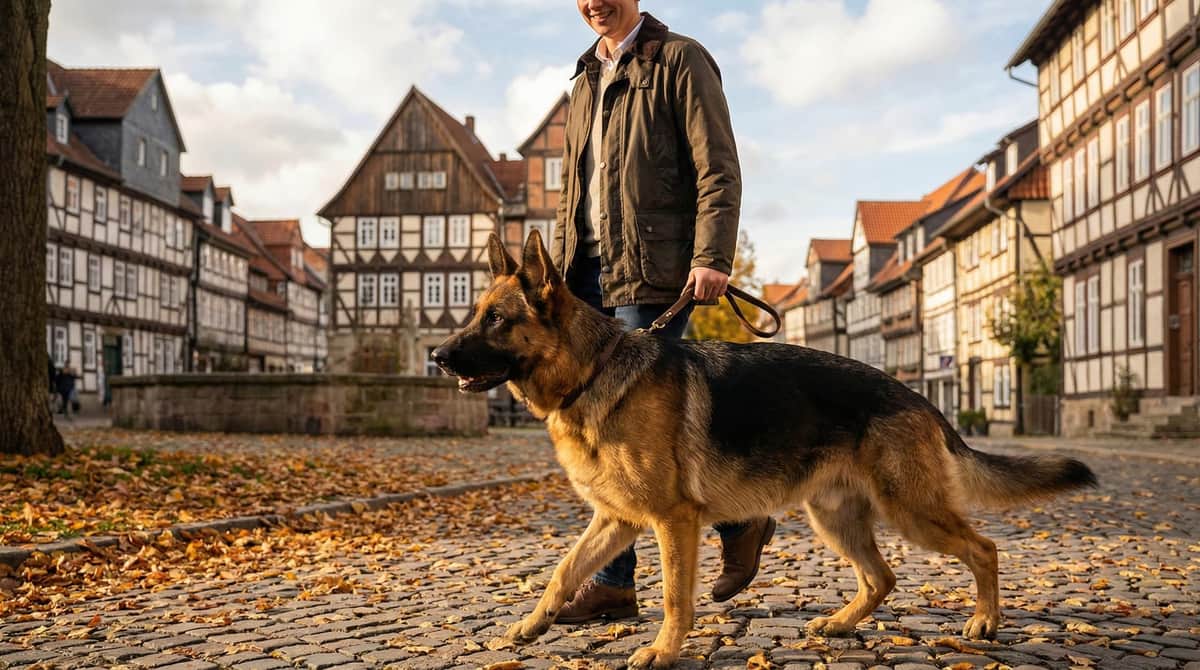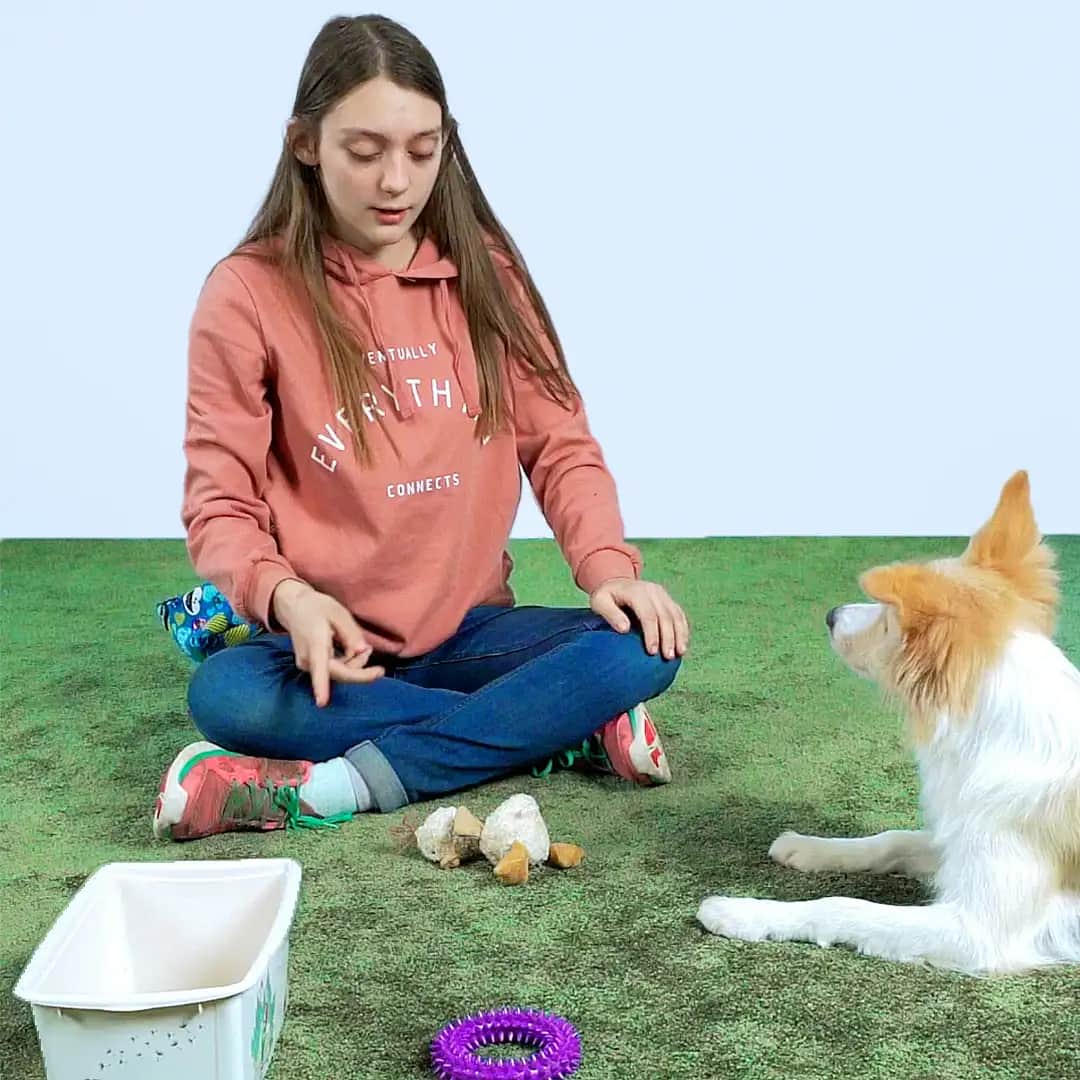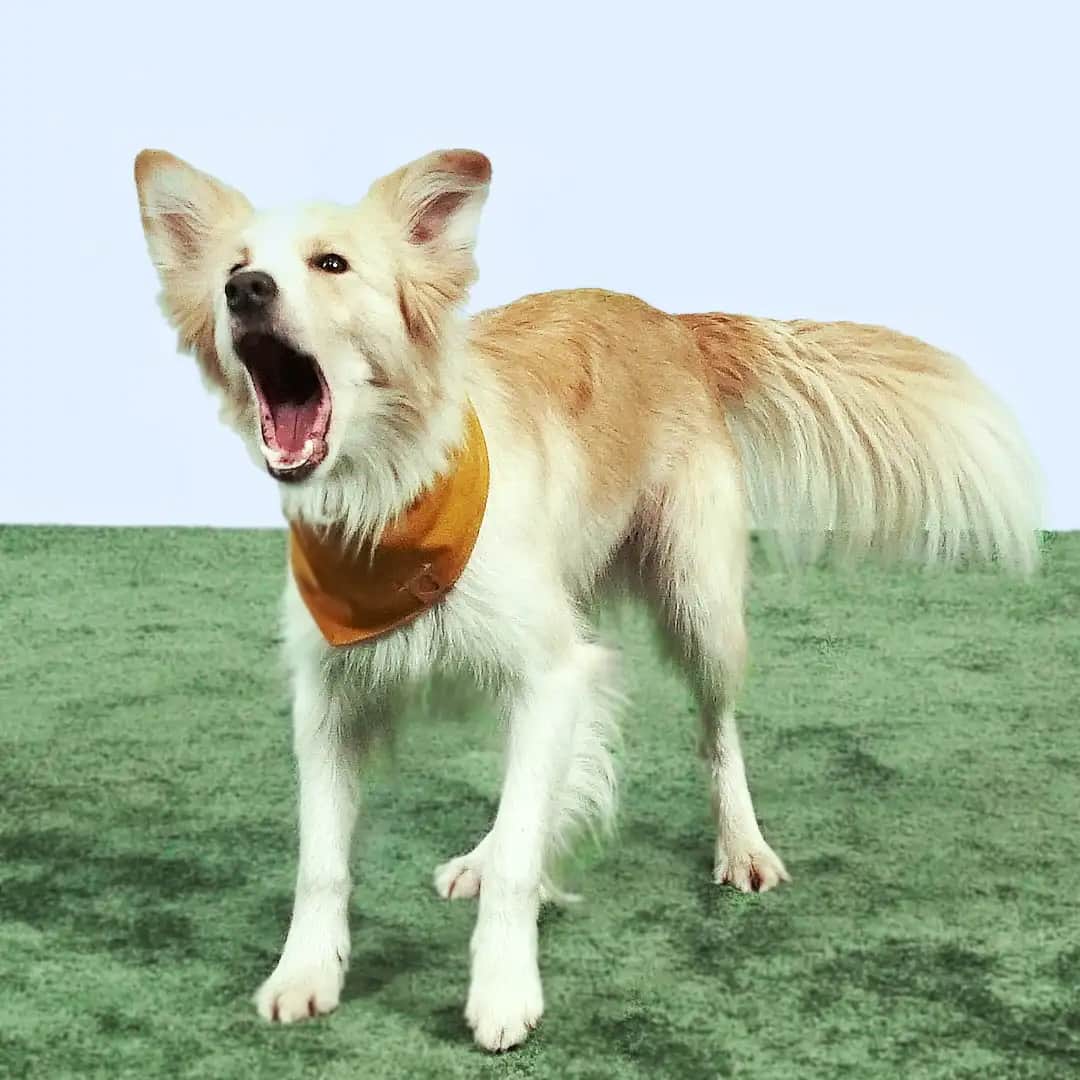

A new puppy arrives, cute, playful, and bursting with energy! But how do you turn this little whirlwind into a well-behaved companion? This guide covers housebreaking, basic commands, and building a strong bond from day one.
It's never too early to start training. Puppies are incredibly receptive and eager to learn at a young age. Puppy training covers several key areas. Here are the most important ones:
Why Puppy Training Is So Important
A new puppy brings tons of joy and excitement into your home and a lot of responsibility. As a new dog owner, you should know that successful puppy training takes patience, consistency, and plenty of love.
Don't forget, this is prime bonding time for you and your pup.
Training a puppy matters for several reasons:
Training gives your puppy a sense of security. By learning basic commands, you can better manage your dog in potentially dangerous situations. For example, a solid "stay" can keep your dog from darting across a busy street. Good socialization helps your puppy adapt to different environments, people, and animals. This is key for preventing fears and aggressive behavior that can develop when dogs aren't properly socialized.
Early training helps build a strong bond between you and your puppy. Through training, your puppy learns to trust and listen to you, which deepens your connection. Early and consistent training can also help prevent or reduce behavior problems like excessive barking, chewing, or aggression.
A well-trained dog is much easier to include in daily life, whether at home, visiting friends, or out in public spaces like parks and cafes. Good training leads to a better quality of life for your dog and your whole family. A well-trained dog can move freely and safely, and you can enjoy their company without constant worry or frustration.
Bottom line: training your puppy is an investment in a lifelong friendship, and it sets you up to raise a happy, balanced, and well-adjusted dog.

Puppy Training: Teaching Your Puppy the First Commands
Puppies have short attention spans. That's why several short training sessions per day work better than one long one. Aim for multiple 5-minute sessions throughout the day. Keep things short, simple, and positive, training should be fun! This gives your dog time to process and internalize what they've learned. Always end on a high note.
Don't forget positive reinforcement
Rewards like treats, praise, petting, or an upbeat voice are far more effective than punishment. They encourage good behavior and strengthen the bond between you and your puppy.
- Treats: Small, bite-sized snacks or "high-value" rewards like deli meat and cheese work great for puppies, giving them instant gratification that's easy to connect with the right behavior. Make sure the treats are healthy and puppy-appropriate.
- Praise: A simple "good job!" or "good dog!" can be a powerful reward, especially when you say it in an excited, cheerful voice.
- Play and petting: For many puppies, a quick game or some affectionate petting is the best reward. This works especially well when you don't have treats on hand or want to keep your puppy from becoming too treat-dependent. Timing matters, reward your puppy the moment they show the desired behavior. Wait too long, and they won't connect the reward with what they did.
Reward your puppy every time they nail a command, especially the first time they get it right. Build good habits by rewarding your puppy when they show good behavior on their own, like settling down quietly when guests arrive.
By rewarding your puppy this way, you help them build positive associations with good behavior and commands. This makes training more effective and deepens the bond between you.
Basic Commands for Puppies
There are several basic commands your puppy should learn first. They're simple enough for a puppy to pick up and form the foundation for clear communication and safe behavior throughout their life. Here are the most important ones:
-
"Sit": This is usually the first command you'll teach your puppy. It's useful in tons of situations, like when you want your puppy to stay calm while you prepare their food.
-
"Stay": This command is crucial for your puppy's safety. It can teach them to stop and hold still at a busy intersection, for example.
-
"Come": This lets you call your puppy back to you, which comes in handy in all kinds of situations. Practice this command in a safe, fenced area until your puppy responds reliably.
-
"No" or "Leave it": This helps you stop unwanted behavior, like when your puppy decides your shoes are a chew toy.
-
"Down": This teaches your puppy to lie down. It's especially useful for calming your dog or getting them to stay in one place. In the following articles, we walk you through how to practice each basic command with your puppy. Check them out!
Use simple words like "sit" or "down" and always stick with the same words and tone for each command. If your dog gets stuck, go back a step or two. Your puppy learns through repetition. Don't talk too much during training, what matters is the verbal cue and the reward. And don't pile on too many commands at once. You don't want to overwhelm your puppy. If your dog gets something wrong, stay consistent and firm, but please don't yell.
Whether it's commands, feeding times, or house rules, consistency is everything. If you allow a behavior one day and then forbid it the next, it's going to confuse your puppy. When training your puppy, stay patient and always lean on positive reinforcement. Every dog learns at their own pace. Think of training as a chance to bond and have fun, not just a learning exercise.
Remember to keep sessions short since puppies have short attention spans, and always end with a reward after a successful round.
Build in social time: your puppy needs to learn how to interact with other dogs and people. Set up playdates with other dogs and make sure your puppy has plenty of positive interactions with people.

Get out in public early. Meet other dogs and people. Ride public transit so your puppy gets used to it. Sign up for puppy classes to socialize and learn alongside other dogs.
Find out whether puppy classes are worthwhile here:
Puppy School: Yes or No? (Is It Worth the Effort?)
Setting boundaries is a key part of puppy training. It helps your puppy feel secure, build trust, and understand what's expected of them. Here are some tips for setting boundaries: Consistency is everything when it comes to boundaries. If you want your puppy to follow a rule, you need to enforce it every time. For example, if the couch is off-limits, it's always off-limits, not just sometimes.
Use simple, clear commands to show your puppy what they should and shouldn't do. If they do something they shouldn't, say "no" in a firm but friendly tone.
The Right Approach to Puppy Training
Here are specific puppy training tips you can pick and choose based on your dog's needs and challenges.
For many puppy owners, housebreaking or bite inhibition can be a real challenge. But don't worry, with a little training and patience, you can tackle these head-on. When training your puppy, stay patient and stick with positive reinforcement. Every dog learns at their own pace, and it's important to see training as a chance to bond and have fun, not just a chore.
Housebreaking
Housebreaking is another essential piece of puppy training. Puppies need to learn where and when they can relieve themselves. This usually takes a set schedule and a lot of patience. Housebreaking is often one of the biggest hurdles for new dog owners. Create a regular schedule for feeding, playing, and sleeping. This helps your puppy develop a routine and better predict when they need to go. And when your puppy gets it right, don't forget to celebrate!
Here are some steps to follow:
-
Set a fixed schedule: Puppies have fast metabolisms and need to go frequently, usually after eating, drinking, playing, and sleeping. Plan regular outdoor trips, roughly every two hours, and always after these activities.
-
Pick a designated potty spot outside: Always bring your puppy to the same spot so they can associate the scent and understand that this is where they should go.
-
Use a command: Pick a simple phrase like "go potty" that your puppy can connect with going to the bathroom. Say it when you notice your puppy starting to go.
-
Reward your puppy: When your puppy goes outside, immediately reward them with praise, a treat, or a quick game. This teaches them they did the right thing.
-
Stay patient when accidents happen: Accidents are part of the process. Don't punish your puppy, it'll only confuse or scare them. Clean the spot thoroughly to remove the scent so your puppy isn't drawn back to it.
-
Supervise your puppy: During the first weeks and months, keep an eye on your puppy indoors so you can catch accidents right away and rush them outside.
-
Plan for nighttime: Puppies can't hold their bladder for long and may need to go outside during the night. Be prepared to interrupt your sleep to take your puppy out.
More information can be found in these articles:
-
- How to Housebreak Your Puppy (These Tricks Will Help)
- 2) Your Dog Pees Indoors? (These 5 Tips Will Help) Remember that every puppy learns at their own pace. Some puppies are housebroken within a week; others need several months. Stay patient and consistent, and always praise your puppy for their successes.
Bite Inhibition
Bite inhibition is an important part of puppy training. Puppies naturally explore the world with their mouths and can sometimes bite too hard during play. Here are some tips for teaching your puppy to be gentle:

-
Let your puppy play with other dogs: Puppies often learn bite control from other dogs. If they bite too hard, the other dog will stop playing or pull away, showing your puppy they went too far.
-
Give a clear signal: If your puppy bites too hard during play or cuddle time, let out a loud, pained "ouch." Then pause the game for a few seconds. This helps your puppy understand they bit too hard and that play stops when they do.
-
Practice "gentle": You can teach your puppy the "gentle" command. Hold a treat in your closed hand and only let them have it when they lick or sniff at it gently, not when they bite.
-
Redirect the biting: Puppies have a natural need to chew, especially during teething. Make sure your puppy has plenty of chew toys available to satisfy that urge.
-
No hand and foot games: Don't play with your puppy by wiggling your hands or feet in front of their face. Use toys for tug and chase games instead.
-
Reward gentle behavior: When your puppy plays gently without biting, reward them with praise, treats, or more play time. Learning bite inhibition takes time and patience. Every puppy is different, so stay consistent and positive in your training. If biting becomes a serious problem or your puppy shows aggressive behavior despite training, consider getting help from a professional dog trainer.
More information can be found here: Bite Inhibition: How to Stop Your Puppy From Biting
Puppy Won't Go for a Walk
There are lots of reasons a puppy might refuse to walk on a leash. Maybe they're scared, overwhelmed by the new environment, or simply not used to the leash yet. Here are some tips to help your puppy get comfortable with walks:

-
Start slowly: The outside world can be overwhelming for a puppy. Begin with short walks in a quiet area and gradually increase the distance and duration.
-
Make it positive: Pair walks with positive experiences. Reward your puppy with praise and treats when they walk nicely on the leash. You can also tie play or feeding times to walks so your puppy starts looking forward to them.
-
Practice leash walking at home: Before heading outside, practice leash walking in a familiar setting like your house or yard.
-
Use the right harness: Some puppies feel uncomfortable or restricted by certain leashes or harnesses. Try different options to find what works best for your puppy.
-
Be patient and consistent: Your puppy needs time to get used to walks. Don't expect them to walk perfectly on a leash right away. Reward small wins and stay consistent with your training. Remember that walks aren't just exercise, they're also a great opportunity for your puppy to explore new environments and soak in new experiences. With patience and a positive attitude, you can help your puppy learn to love walks.
More on this topic here:
Your Puppy Won't Go for a Walk? (3 Reasons)
Being Left Alone
Being left alone is tough for many puppies, but it's an important skill they need to learn. Here's how to teach your puppy to handle alone time:

-
Create a safe space: Set up a spot where your puppy feels safe and comfortable. This could be a room with a baby gate or a spacious crate with enough room for a bed, water bowl, and toys.
-
Start with short absences: Leave the room for just a few seconds while your puppy is awake and calm. Come back before they get restless or start whining. This teaches them that you always come back.
-
Gradually extend the time: Once your puppy handles short absences well, slowly stretch the duration. Go from a few seconds to one minute, then two, then five, and so on.
-
Provide distractions: Give your puppy a toy or chew treat to keep them busy while you're gone. There are plenty of puzzle toys on the market designed to hold treats and keep dogs occupied.
-
Stay calm: Keep your comings and goings low-key. Making a big fuss can actually increase your puppy's anxiety.
-
Leave when your puppy is busy: Try to slip out of the room when your puppy is occupied with something, like chewing on a toy or eating.
-
Ignore the whining (to a point): If your puppy starts whining the moment you leave, don't rush back right away, or they'll learn that whining brings you back. That said, don't overdo it. Prolonged whining and stress can be harmful to your puppy.
-
Positive reinforcement: If your puppy stays calm while you're away, reward them with praise or a treat when you return.
Remember that every dog is different, and some need more time than others to learn to be alone. Be patient and consistent, this is a big adjustment for your puppy. Prefer a more visual approach? Our Hundeo app offers step-by-step video tutorials to help you teach your dog the sit command and much more. Learn more about the Hundeo app.
Puppy Teething
When your puppy is teething, there are several things you can do to help them through this phase:

-
Provide chew toys: Give your puppy appropriate chew toys designed for teething. These relieve gum pain and keep your puppy from chewing on things they shouldn't.
-
Use cooling toys or cloths: Pop toys or damp cloths in the fridge or freezer to cool them down. Chewing on something cold can numb sore gums and bring your puppy some relief.
-
Massage the gums: Gently massage your puppy's gums with your finger. Just make sure your hands are clean first.
-
Keep them busy: Give your puppy plenty of activities and distractions to take their mind off the discomfort. Play with them, practice obedience exercises, or try other activities that focus their attention on something positive.
-
Skip the punishment: Scolding or punishing your puppy for chewing won't work and can actually make things worse. Instead, encourage chewing on the right objects and gently redirect when they go for something off-limits.
-
Talk to your vet: If your puppy seems excessively restless during teething or shows signs of pain or inflammation, schedule a vet visit. Your vet can check things out and may recommend treatments or pain relief. The teething phase is temporary, your puppy will eventually get all their adult teeth. In the meantime, give them plenty of support and comfort.
Health and Nutrition

Your puppy's health and nutrition play a huge role in helping them grow into a healthy, happy dog. Regular vet visits are essential. Bring your puppy in regularly to make sure they've received all necessary vaccinations and are in good health. Your vet will also set up a deworming schedule and offer advice on nutrition and training as needed.
Make sure your puppy gets plenty of exercise. It keeps them healthy and burns off extra energy. The right amount and type of exercise depends on your puppy's age, breed, and health. Dental hygiene matters, too, it helps prevent tooth and gum disease. Brushing your puppy's teeth, offering dental chews, and feeding dry food can all help maintain good dental health.
Check out this article on your dog's dental hygiene:
Dog Dental Care (7 Important Care Tips) Use flea, tick, and heartworm prevention as recommended by your vet.
Don't let your puppy climb stairs on their own during the first few months. This protects their developing joints from long-term damage. That said, do introduce your dog to stairs eventually. If you carry them for too long, they may develop a fear of stairs later on.
More interesting information here:
Can Puppies Climb Stairs?
When it comes to nutrition, choose high-quality puppy food tailored to a growing dog's needs. It should contain balanced amounts of protein, fat, carbohydrates, vitamins, and minerals. Feed your puppy multiple times a day. Puppies have small stomachs and need more frequent meals than adult dogs. Your vet can help you set up an appropriate feeding schedule.
Steer clear of certain foods. Some foods are toxic to dogs, including chocolate, onions, garlic, grapes, raisins, alcohol, caffeine, and certain artificial sweeteners (like xylitol). Never give your puppy any of these. Keep your puppy lean. Obesity can lead to serious health issues like heart disease, diabetes, and joint problems. Make sure your puppy gets the right amount of food and doesn't pack on excess weight.
Your puppy's health and nutrition are ongoing responsibilities that require attention and dedication. But with the right care and a healthy lifestyle, you can help your puppy live a long, healthy, and happy life.
Puppy Games
Playing with your puppy isn't just fun, it also supports their physical, mental, and social development. Here are some games to try:
- Fetch: Start with a soft toy and toss it a short distance. Encourage your puppy to grab it and bring it back. Don't forget to cheer them on!
- Hide and seek: Hide a toy or treat and let your puppy sniff it out. This builds problem-solving skills and keeps them mentally sharp.
- Tug-of-war: A good tug game is a great way to teach your puppy "leave it" and strengthen their jaw muscles. Just make sure the tug toy is sturdy enough not to break apart.
- Catching bubbles: Many puppies go crazy for bubbles. It's great exercise and loads of fun. Make sure the bubble solution is non-toxic and pet-safe.
- Puzzle feeders: Put food or treats inside a puzzle ball. While your puppy works to get the food out, they're getting both a mental and physical workout.
Play Tips

When playing with your puppy, keep these things in mind:
1. Don't overdo it: Puppies have tons of energy and need plenty of rest. Keep play sessions short and make sure your puppy has time to recharge afterward.
2. Safety first: Make sure all toys are safe and big enough to prevent choking or injuries. Play in a safe environment, away from dangerous objects or high spots your puppy could fall from.
3. Stick to the rules: Set rules for play and stay consistent. For example, if your puppy starts biting your hand instead of the toy during tug-of-war, end the game right away.
4. Sneak in some training: Use playtime to teach your puppy new commands or practice ones they already know.
5. Reward good play: Don't forget to praise and reward your puppy during play, especially when they follow the rules and show good behavior. Remember, the goal of play is fun and learning. It should be a positive experience for both you and your puppy.
Want to learn more about puppy games? Read this article:
Puppy Games: Have Fun Together!
10 Ground Rules
Here are ten ground rules that can make raising a puppy easier and more effective. Think of them as your guide to a safe and harmonious life together.

# Ground Rule 1: Consistency Is Key
If you expect certain behavior from your puppy, be consistent. Use the same commands and apply rewards or corrections the same way every time. Consistency helps your puppy understand what you expect.
# Ground Rule 2: Use Positive Reinforcement
Always reinforce good behavior with praise, petting, or treats. This makes your puppy more likely to repeat the desired behavior.
# Ground Rule 3: Be Patient
Puppies don't learn overnight. There will be setbacks, and some things take longer than others. Stay patient and celebrate the small wins.
# Ground Rule 4: Socialize Early
Puppies should be socialized early and safely. Introduce them to different people, dogs, places, and situations. This helps prevent fears and aggression down the road.
# Ground Rule 5: Never Use Physical Punishment
Physical punishment backfires and can lead to fear and aggression. Instead, ignore unwanted behavior or redirect your puppy with a calm, firm voice.
# Ground Rule 6: Set Clear Boundaries
Your puppy should know what's allowed and what's not, like whether they can get on the couch, which rooms they can enter, and so on.
# Ground Rule 7: Provide Enough Exercise and Mental Stimulation
Make sure your puppy gets enough exercise and mental stimulation through games, training, walks, or interactive toys.
# Ground Rule 8: Train Every Day
Practice makes perfect! Short, daily training sessions are more effective than longer, occasional ones.
# Ground Rule 9: Don't Leave Your Puppy Alone Too Long
Puppies are social animals and can develop anxiety if left alone for too long. Gradually increase alone time to help prevent separation anxiety.
# Ground Rule 10: Health Comes First
Good health is the foundation for happy, successful training. Make sure your puppy gets all necessary vaccinations, regular check-ups, and a balanced diet.
What Are the Basics of Puppy Training?
The basics of puppy training include teaching clear rules and learning to read your puppy's body language. It's important to cover the fundamentals of dog training in your puppy's first few months.
What's Important When Training a Puppy?
Patience and consistency are everything. Use positive reinforcement to teach your puppy the right behaviors and keep them motivated.
When Should Puppy Training Begin?
Ideally, before your puppy even comes home. When your pup arrives at around 8 weeks old, it's important to provide clear rules and structure from day one.
How Long Does Puppy Training Take?
Puppy training is an ongoing process that stretches over the first several months and beyond. The earlier you start and the more consistent you are, the fewer issues you'll run into later.
How Long Should I Train with My Puppy Each Day?
Keep sessions short, just a few minutes at a time. This helps your puppy learn and absorb new things without getting overwhelmed.
My Puppy Begs. What Can I Do?
Never give your puppy food or treats from the table during meals. Begging gets reinforced when the puppy gets rewarded even occasionally. Make it clear to everyone in your household that nobody feeds the puppy from the table. Stick to a regular feeding schedule for your puppy. When they get their meals at set times, they won't expect extra food from begging. Completely ignore begging behavior. Don't give your puppy attention, petting, or any acknowledgment when they beg. It's hard, but staying firm is crucial. Set up a designated eating area for your puppy, like a feeding station or a specific spot in the kitchen. Teach them that food only comes from that spot. Encourage your puppy to do something else instead of begging. Give them a toy or chew treat when you eat to keep them distracted and occupied. Train your puppy with basic commands like "sit" or "down." Once they know these, you can ask them to sit or go to their spot during mealtimes.
My Puppy Is So Well-Behaved, Do I Still Need to Train?
Absolutely. Even a well-behaved dog benefits from training. It keeps their mind and body active, gives them proper stimulation, and strengthens the bond and trust between you.
How Can I Teach My Puppy to Be Alone?
Gradually get your puppy used to being alone. Start with short absences and slowly increase the time, while giving them clear structure so they feel secure.
Does Breed and Personality Affect How Much Training My Dog Needs?
Yes and no. Some breeds are known for high energy or independence and may need more training and attention. And just like people, dogs have different personalities and learning speeds. That said, basic commands are the foundation of a good relationship and should be mastered by every dog.
What Should I Know About My Puppy's Body Language?
Your puppy's body language is a crucial part of training. Pay attention to their signals to understand how they're feeling. This helps you respond better to their needs and avoid misunderstandings.
My Puppy Jumps on Me. Should I Stop This?
Yes, it's a good idea to discourage jumping. It can be unpleasant for some people and even dangerous in certain situations, especially as your puppy grows bigger and stronger. If your puppy tries to jump on you, completely ignore them. Turn away, don't make eye contact, and give them zero attention, verbal or physical. Instead, teach your puppy a better way to greet you. For example, train them to sit or keep all four paws on the ground before they get any attention. When your puppy sits or stays calm instead of jumping, reward them with praise, petting, or a treat. Positive reinforcement for the right behavior helps make it stick.
What Role Does Socialization Play in Puppy Training?
Socialization is a vital part of puppy training. Your puppy should meet unfamiliar people, other dogs, and experience different environments early on to grow into a confident dog.
How Can I Get My Puppy Used to Other Dogs?
Bring your puppy to safe, controlled settings like puppy play groups. There, they can learn to interact with other dogs and build social skills in a supervised environment.
Conclusion
Puppyhood is an exciting and challenging time of growth and learning. With thoughtful training, you can help your puppy become a healthy, happy, and well-behaved dog. The cornerstones of puppy training are consistency, patience, and understanding your puppy's needs. Focus on teaching simple commands, getting your puppy used to the leash, practicing housebreaking, and building bite inhibition.
Don't forget that training should also be fun. Puppy games are a great way to strengthen your bond, develop your puppy's skills, and burn off their energy all at once. Proper nutrition and regular vet visits are also essential for keeping your puppy healthy. Training your puppy may feel overwhelming at first, but with the right approach and a positive attitude, you can handle whatever comes your way.
Remember, every dog is different. What works for one may not work for another. The key is to get to know your puppy, understand their needs, and give them plenty of love and care. It's a journey that's absolutely worth it, for both of you.
Did you pay attention?
Question 1 of 3What is the most important thing in the first days with a new puppy?