Ever watch other dog owners show off their pup's tricks and think, "I wish my dog could do that"? Good news -- a dog that shakes melts every heart, and this guide will get your pup there too.

Key Takeaways
The "shake" command teaches your dog to place one of their front paws in your hand on cue -- then get rewarded for it. It's one of the easiest tricks any dog can learn.
Still, plenty of dog owners -- maybe you included -- get stuck during training. But with the right approach, it's actually pretty simple. We put together a clear, effective guide for you. Plus, we share tips to support your dog every step of the way.
"Shake" is one of the most popular tricks out there. But why does every dog owner seem to love it, and what makes it so useful? Let's break down why teaching your dog to shake goes way beyond a cute party trick.
Shaking builds trust and strengthens the bond between you and your dog. It creates a positive communication loop. Learning the trick also challenges your dog mentally and keeps their brain engaged. Shaking can be a stepping stone to more practical behaviors too -- like letting you inspect their paws, which makes grooming a breeze. It turns training into a genuinely fun experience for your dog.
Below, we show you how to teach your dog to shake -- simply and effectively. Whether you're brand new to training or looking for tips to sharpen your technique, we've got you covered. Ready? Let's do this!
Before you start teaching "shake," a little prep goes a long way. The right setup makes learning faster and more fun for both of you. Here's what to keep in mind.
Figure out what your dog goes crazy for. High-value, tasty treats boost motivation and focus. Mix up the rewards to keep things interesting -- toys and verbal praise work great too.
Pick a quiet spot with minimal distractions. A familiar space like the living room or a calm backyard works perfectly. Make sure you both have enough room to move comfortably.
Your dog learns best when they're relaxed and focused. Skip training when they're tired or wired. Your energy is contagious -- stay patient, upbeat, and positive to set the right tone.
Plan short but frequent sessions. A few 5-to-10-minute rounds per day beat one long, exhausting marathon. Stay consistent with your commands and rewards. That consistency helps your dog catch on fast and understand exactly what you're asking. Nail this prep, and you've already set yourself up for success. Good preparation is the shortcut to teaching your dog new skills the fun way.
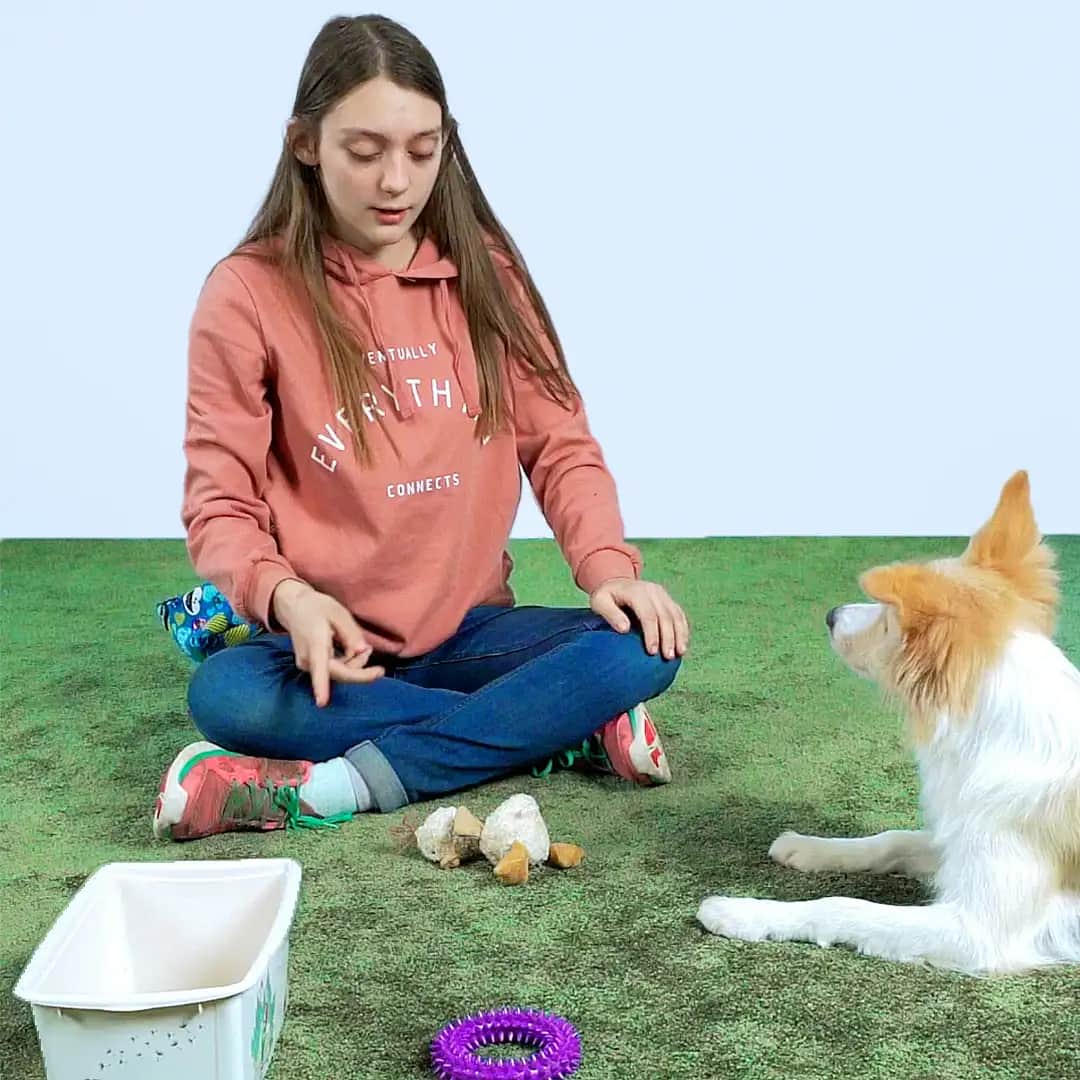
Your dog should already know "sit" before you start -- "shake" builds on that foundation. Got your pup sitting? Great, move on to step two. Find a quiet spot and sit on the floor so you're at eye level with your dog. Keep their favorite treats within reach but out of sight to cut distractions. Make sure your dog is focused on you -- call their name or flash a treat to grab their attention. Hide a treat in your closed fist and hold it up to your dog's nose. Most dogs will try to get the treat by nudging your hand with their snout or paw. Wait patiently until your dog lifts a paw. The moment they paw at your hand, open it and give them the treat. Repeat the previous step, but this time only release the treat when your dog actually touches your hand or arm with their paw. Repeat again, but now don't hold a treat in the hand you offer. When your dog touches your hand with their paw, reward them with a treat from your other hand. Next, offer your flat, open palm. Let your dog place their paw on it and wait one to two seconds before rewarding with the other hand. Now add a verbal cue of your choice while extending your palm (e.g., "shake"). Let the paw rest a little longer on your hand, then reward and praise generously. Once your dog nails the command consistently, practice in different environments and situations to lock it in. Gradually reduce how often you treat so your dog doesn't only shake for snacks.
Positive reinforcement is one of the most effective tools in dog training. The idea is simple: reward the behavior you want, and your dog will keep doing it. It's especially powerful when teaching "shake."
Positive reinforcement makes learning fun and motivating for your dog. When they know a reward is coming, they're far more likely to repeat the behavior. This approach is built on trust -- not fear -- and it deepens the bond between you and your dog.
Teaching "shake" can hit a few bumps along the way. Don't sweat it -- most problems have straightforward fixes. Here are the most common hurdles and how to clear them.
Once your dog has "shake" down solid, it's time to level up. Here are some ideas to keep things challenging and keep your dog's brain firing.
Teach your dog to switch between left and right paw on cue. Use different commands for each -- like "left" and "right." This builds mental flexibility and sharpens their ability to follow specific instructions.
Turn "shake" into a "high five" by holding your hand higher and teaching your dog to slap their paw against your open palm. It's a crowd-pleaser and great for coordination.
Train your dog to cross their paws by lifting one and then the other. This trick improves dexterity and body awareness.
Teach your dog to place their paw on different objects -- a ball, a book, a box. This builds cognitive flexibility and the ability to follow cues in new situations.
Combine a shake with a spin. Your dog turns in a circle while giving you their paw. It ups the physical challenge and sharpens coordination. These advanced variations keep training fresh and mentally stimulating. Introduce each one slowly and always lean on positive reinforcement. Have fun experimenting together!
A safe, positive training experience matters for your dog's health and well-being. Keep these tips in mind during paw training -- and any training -- to avoid overdoing it.
Respect your dog's individual limits. Every dog is different. Pay attention to their endurance, focus, and physical ability. Watch for signs of fatigue or stress -- yawning, pulling away, or flat-out refusing. When you see those signals, take a break. Don't overwhelm your dog with moves that are too advanced too soon. Start simple and gradually raise the bar. Keep sessions short and fun -- several quick rounds beat one long slog every time.
Stick to praise, treats, and play as rewards. Skip harsh or punishing methods -- they'll hurt your dog's confidence and your relationship. Stay patient. If your dog struggles with something, give them time and support without showing frustration. Pick a quiet, safe spot for training -- away from busy roads or sharp objects. Build in regular breaks so your dog can rest between exercises. That prevents burnout and keeps training enjoyable.
Make sure your dog is healthy and free of any hidden issues that training could aggravate. Check their paws regularly for signs of injury or sensitivity, especially after new or intense exercises.
Have your dog sit, then hold a treat in your closed fist near their nose. When they paw at your hand, open it and give them the treat. Say "shake" at the same time. Read the full article above for all eight steps.
Create a relaxed atmosphere and always reward your dog when they get it right. With patience and consistency, you can teach your dog tons of tricks. A clicker can be a big help too.
Your dog can learn plenty of words and commands -- and they pick up on your mood from your voice and tone. Dogs understand way more than most people think.
Teaching your dog to shake isn't hard at all. Follow our step-by-step guide, and soon your pup will greet visitors with a handshake -- or should I say, a paw-shake -- instead of a face full of licks.
A few final tips to make training even smoother:
"Shake" is a fun, rewarding skill that strengthens your relationship and gives your dog valuable mental stimulation. Remember, every dog is unique and learns at their own pace. Celebrate the small wins, stay patient through the setbacks, and most importantly -- enjoy the time you spend with your best friend. Happy training!