Picture this: your dog sits calmly at a busy intersection while you open the car door, or stays right beside you when another dog walks past. The "stay" command is more than just a basic trick — it's an essential tool that keeps your dog safe in everyday life and emergencies alike.

Key Takeaways
Why "Stay" Is So Important
Spot a friendly dog in the distance? Of course your pup wants to rush over and say hello. To wait patiently, they need to sit and stay until you give the green light. With a simple "sit," most of us aren't consistent enough. Sometimes we correct our dog for getting up early, other times we let it slide because it's "just this once."
This is really confusing for your dog. Sometimes they're allowed to break the command on their own, and sometimes it's suddenly not okay. How are they supposed to know when they truly need to wait for your go-ahead? Let's be honest — none of us corrects every single time our dog gets up too early.
Sometimes we notice too late, or we don't take it seriously "just this once." A clear "stay" command saves your dog from all that confusion. Because you use "stay" more deliberately, it's much more consistent — and much easier for your dog to understand.
It's also incredibly versatile. Your dog is off-leash and another dog or cyclist is approaching? "Stay!" You're letting guests in and the front door is wide open? "Stay!" You're hiding their favorite toy for a search game and don't want them peeking? "Stay!"
Safety The "stay" command can protect your dog in dangerous situations by keeping them from darting into the street or chasing after hazards.
It helps you stay in control during tricky situations — whether you're at the vet, relaxing at a cafe, or greeting visitors at the door.
When your dog successfully holds a "stay," it strengthens trust and deepens your bond. It builds mutual respect.
Practical Whether you need to open the front door without your dog bolting, or keep them still while off-leash — "stay" is a game-changer in daily life.
A dog who's mastered "stay" is typically calmer and more composed around other people and animals.
Before you dive into teaching "stay," make sure you've laid the groundwork. These basics are key to successful training and help you avoid frustration along the way.
Your dog should already know and reliably follow basic commands like "sit" and "down." These are the foundation for more advanced commands like "stay."
Work on building your dog's focus. A dog who's learned to pay attention to you picks up new skills faster and responds better during training.
Patience is everything.
Every dog learns at their own pace, so be patient and celebrate every win — no matter how small. Stay consistent with your commands and expectations. Mixed signals confuse your dog and slow down progress.
Pick a quiet, distraction-free spot for training, especially at the beginning. Keep sessions short but regular. Long sessions tire your dog out and make learning less effective.
Figure out what motivates your dog most — their favorite treat, a toy, or praise. Mix up the rewards so your dog stays engaged and doesn't only work when they see one specific thing.
Use positive reinforcement to encourage the behavior you want. It creates a great learning experience and speeds up the whole process.
Harsh training methods are always off-limits! Punishment only creates fear and destroys trust.
Before you start training a rock-solid "stay," your dog should already know "sit" and ideally "down" too. These commands work great as starting positions.
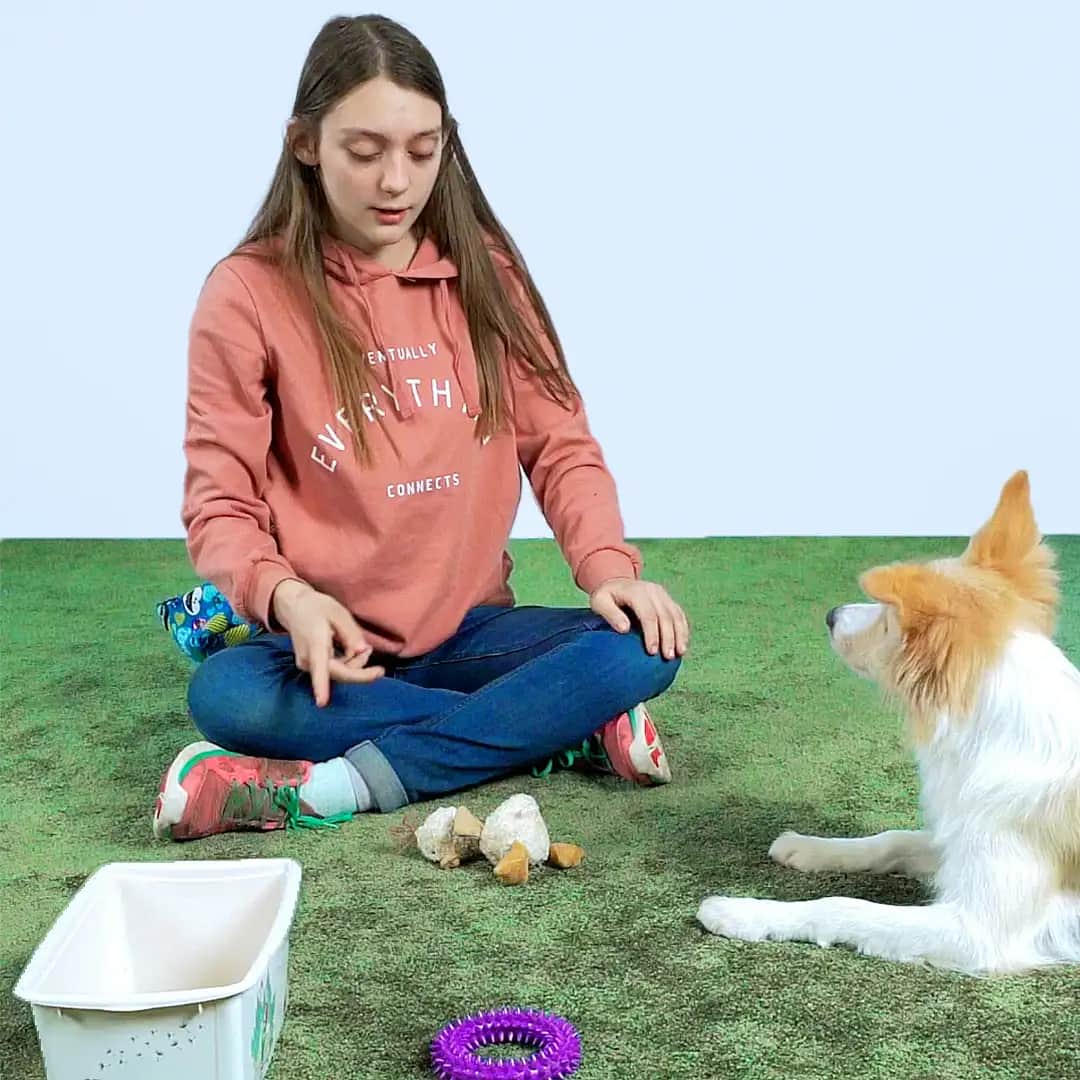
Start in a calm environment. Your dog will be much more focused without exciting distractions pulling their attention. Ask them to "sit." Once they're in position, hold your open palm out toward them — like a stop sign — and say "stay." Keep this hand signal the same every time.
Stand calmly in front of them and wait a beat. If your dog gets up, guide them back into position and repeat "stay." In the beginning, just a few seconds is enough before you reward them.
Once your dog nails this a few times, you can slowly raise the bar. Extend the wait time in small increments. But don't rush it — you don't want to set them up to fail. Your dog learns much better through lots of small wins, and they'll have more fun practicing too.
Now give the "stay" command and take a few steps back. At first, keep facing your dog. If they get up, walk back and have them sit again. Then try the exercise with a little less distance — even smaller steps. Over time, you'll gradually increase how far you go.
Next, start turning your back as you walk away. If it goes well, repeat this a few times. Your dog might feel like you're not watching, which could tempt them to get up or follow you. If they break position, correct them and go back to smaller steps. For example, start by standing in front of them and slowly turning around in place.
Give your dog the "stay" command and step a few feet away. Then try jumping in place, walking around them, tossing a toy in their direction, crouching down, jogging a few yards away, or even dancing. These movements are exciting for your dog. They might read them as an invitation to come play.
To keep them in place, you can repeat "stay" a few times while you're moving around. The better your dog handles distractions, the less you'll need to repeat the cue. If they get up, correct them and dial back to calmer movements. Always adjust the pace to your dog.
Once all these exercises are going smoothly, it's time to turn up the difficulty. Have your dog stay in place while you leave the room. Rustle a treat bag or rummage through a drawer. Keep the door open at first. If your dog follows you, bring them back and start over.
As the exercise gets easier, gradually close the door a little more each time until you can shut it completely. The goal is for your dog to follow the command even when you're out of sight — waiting patiently until you come back and release them.
Once your dog has aced all the steps indoors, start adding real-life distractions. Put your dog in a "stay" and have someone ring the doorbell. Your dog should hold their position while you answer the door, and only get up when you say so.
Now take the training outside. Give your dog the "stay" command in a meadow where kids are playing in the distance or an unfamiliar dog walks by. At first, stay close so you can step in quickly if needed. Using a long leash is a smart idea in case they bolt unexpectedly.
If they hold the stay despite distractions, start moving farther away. Face them at first, then later turn your back. Outdoor stimulation makes it really hard for your dog to concentrate, so definitely work in small, gradual increases.
The woods are a perfect spot to practice having your dog stay even when they can't see you. Duck behind a tree for a moment, then come back. Your dog shouldn't have moved an inch until you release the command.
You can also work cyclists into your training. Position your dog at the side of the path, tell them to stay, and let the cyclist ride past. Your dog shouldn't jump up or chase after them. Practice the same thing with joggers and horseback riders.
For your dog to truly understand "stay" as a command — and not end the exercise whenever they feel like it — you need a clear release word. Walk back to your dog and say "okay" or "free" and give them lots of praise. Only on this signal should your dog leave their position and get up or take off. This keeps you in full control and prevents any confusion about when the exercise is over.
Prefer a visual approach? If you learn better by watching, our app has step-by-step video tutorials for teaching your dog "stay." Learn more about our app here.
One of the most common mistakes is ramping up the difficulty too fast. Your dog can only handle so many distractions at once. Being far from you is also tough for a lot of dogs. Always tailor the training to your individual dog and repeat each exercise successfully multiple times before moving on.
If sessions drag on too long, your dog's focus tanks. Aim for 5 to 10 minutes at a time, then give them a good break. Several short sessions throughout the day get the best results. A solid "stay" takes time to really click for your dog.
When you're training the "stay" command, don't just focus on progress — pay close attention to your dog's safety and well-being too. Here are some important tips to keep training enjoyable and healthy.
Pick a safe, quiet spot where there's no danger from traffic or other hazards. Skip training in extreme heat or cold. In warm weather, make sure there's shade and fresh water nearby.
Watch for signs of stress or discomfort like heavy panting, hesitation, or trying to move away. Stop training right away if your dog seems stressed. End each session before your dog gets tired or frustrated. Short, positive sessions are more effective and way more fun.
Make sure your dog is healthy and doesn't have any hidden issues that training could make worse. Adapt the training to your dog's age, health, and physical abilities. Older or sick dogs may need gentler, shorter sessions.
Stick with positive reinforcement — never punishment. Harsh methods cause stress and destroy your dog's trust. Always be encouraging and patient. Every little bit of progress deserves a celebration.
A regular training routine helps your dog understand what's expected and sets them up for success. Always use the same words and gestures for "stay" to avoid confusion and make learning easier.
Reward your dog right away when they successfully hold a "stay." This helps them connect their behavior to the reward. Be consistent with your commands and rewards — your dog should know exactly what's expected and when a reward is coming.
Pick rewards your dog genuinely loves. That could be treats, praise, or playtime. Match the reward to the effort. Switch up reward types to keep your dog interested and prevent them from only working for one specific thing.
Once your dog reliably holds the command, start gradually reducing how often you give treats. Replace them with verbal praise or petting to build lasting good behavior.
Timing is everything: The moment you give the reward matters. Reward immediately after the desired behavior so your dog makes the connection. Your dog should trust that good behavior always pays off. Being unpredictable with rewards can lead to confusion and frustration.
Even when progress feels slow, keep your attitude positive and patient. Your energy rubs off on your dog and makes training way more effective.
Practice this command in small steps. It helps a lot if your dog already knows "sit" or "down." "Stay" takes serious focus, so keep sessions short. You'll find a detailed walkthrough in the guide above.
There are a few possible reasons. Usually, the exercise is still too hard for them. Try breaking it into smaller steps. They might also be losing focus because you've been at it for a while or there are too many distractions around.
A lack of focus usually comes from distractions. Always start training in a low-stimulation environment — even a toy lying on the floor can be a distraction. Make sure you're taking regular breaks too.
You can start once your puppy understands basic commands like "sit" and "down," which usually happens around 8 to 12 weeks of age. Keep training sessions short, playful, and positive so your puppy stays engaged and motivated.
The "stay" command is so much more than a basic instruction — it's a tool that gives you safety, control, and trust in all kinds of situations.
Some people think "stay" is unnecessary when commands like "sit" or "down" plus a release word are already in place. But as we've seen, there are plenty of situations where a clear, unmistakable "stay" is a lifesaver.
"Stay" only works reliably with plenty of practice and persistence. But it's absolutely worth the effort! Once your dog truly gets it, you'll both enjoy a much more relaxed daily life together.
Here's what will set you up for success: