
Key Takeaways
- What is leash training? Your dog walks calmly on a leash without pulling. It's essential for safe, enjoyable walks, especially in busy areas.
- When should you start? As early as possible, with short training sessions. From six months on, you can ramp up the intensity. Patience and positive reinforcement are everything.
- Key methods: Build positive associations, pick a low-distraction spot, introduce verbal cues, and mix up your walking speed. Treats go a long way.
- Common mistakes: Don't jerk the leash, don't stick to the same boring route, and stay consistent with your training approach.
If your dog constantly pulls on the leash, it's going to wear you down, and strain your relationship. What should be a relaxing walk turns into a daily battle. Here, I'll show you how to make walks enjoyable again.
What Is Leash Training?
Leash training means your dog walks beside you without pulling. It's the foundation for relaxed, stress-free walks. With solid leash training, you can guide your dog safely through any situation.
This matters most in the city or around other dogs. You're teaching your dog to read your signals and follow your lead. There are several approaches to leash training, and we'll cover the most effective ones.
It takes time before your dog fully gets the hang of it. Every dog is different and learns at their own pace. Stay patient and keep things positive. Over time, you'll notice real improvement in how your dog handles the leash.
When Should I Start?
From around 8 weeks, when your puppy moves in, you can get them used to the equipment. Let them wear the harness and leash indoors without any pressure. The actual training starts around 12 weeks.
Just remember, they're still babies and need plenty of rest. Start with short sessions of just a few minutes each. Keep every session upbeat and positive. With patience and regular practice, your dog will quickly figure out what you're looking for.
From around 6 months old, you can make training sessions longer and more challenging. This depends on your individual dog and their temperament.
Leash Training for Puppies

Pulling is way more common in puppies than in adult dogs. Puppies pull because every single walk is a brand-new adventure for them.
With some consistency, this behavior usually improves within a few months. Good training makes all the difference.
You don't need any special skills to teach your puppy to walk nicely on a leash.
As your puppy gets older, their leash manners will generally improve on their own.
Adult dogs are a different story. Breaking bad leash habits in older dogs takes more effort.
You'll need extra patience and a more deliberate training plan. There can be all sorts of reasons behind poor leash behavior.

There are around 350 different dog breeds out there today. Some of them are hardwired to sniff everything in sight the moment they step outside. It's just in their DNA.
Typical "sniffer dogs" include:
- Boxer
- Doberman
- Hovawart
- Giant Schnauzer
- Rottweiler
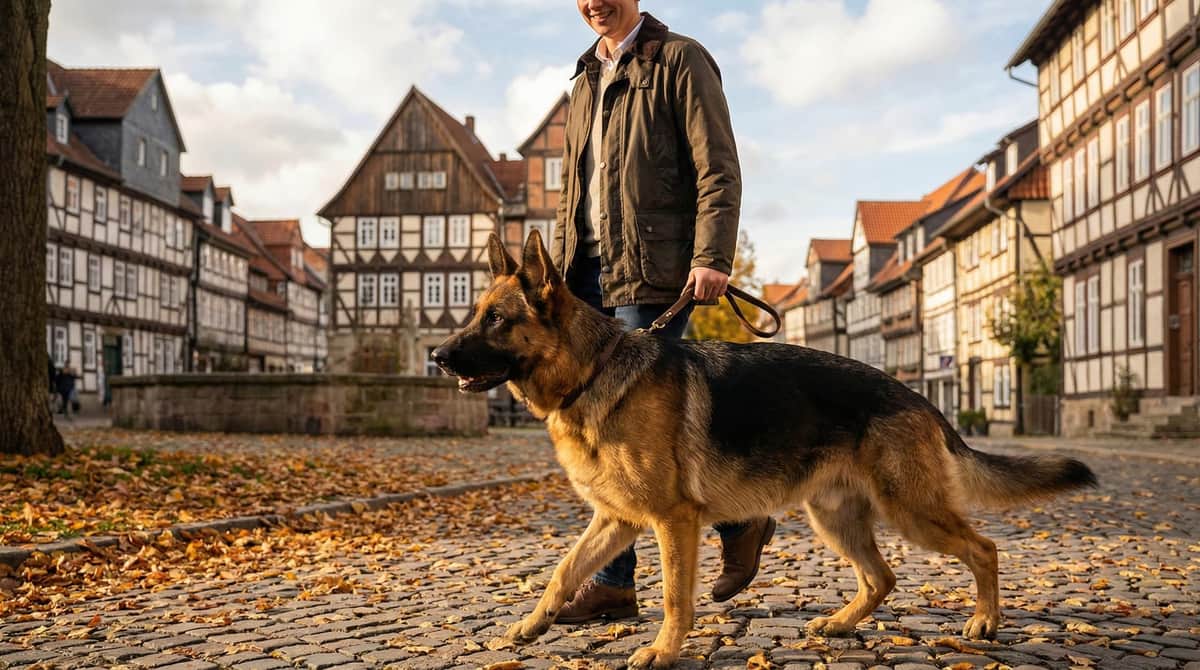
- German Shepherd
The typical leash pulling calms down once your dog matures and mellows out. But solid training is what lays the groundwork for that.
Improving a puppy's leash behavior isn't all that hard. Consistent, loving training usually does the trick.
Poor leash behavior often comes down to not enough training. Sound like your dog? Then tackle the problem now, don't let it drag on. Follow the steps below to turn things around.
Walks should be free of stress and rushing.
Sure, it's understandable that you've got a packed schedule with work and responsibilities. But it's worth making some adjustments.
Squeezing walks in between meetings and rushing through them can be stressful, even unhealthy.
And it's not just you who feels the pressure. Your dog picks up on your stress, and that makes them anxious and more likely to rush and pull on the leash too.
Walks that are too short go hand in hand with stressful walks. Sometimes you just don't feel like heading out.
After a rough night or on a freezing cold day, motivation can tank. That's totally normal.
But if most of your walks are too short, that's often what triggers poor leash behavior.
It's tough to always find exciting new places for your pup to explore. Still, try switching up your routes and discovering new spots.
Aim for at least three different routes. This keeps your dog engaged and interested. The same boring path every day encourages pulling and bad habits.
There's one big mistake that'll completely undermine your leash training.
Even when your dog is driving you crazy with nonstop pulling, never yank them back.
A sharp jerk can actually injure your dog. On top of that, it won't teach them to stop pulling, it just makes things worse.
How Do I Teach My Dog Leash Training?

With the basics covered, here is the actual training.
How do you improve leash behavior?
Leash training is a core part of dog training that sets you up for relaxed, safe walks together.
It takes patience and consistency, but with positive reinforcement and regular practice, any dog can learn to walk nicely on a leash.
Pace changes, rewards, and good preparation are some of the tools that'll help you and your dog nail loose-leash walking.
Preparation
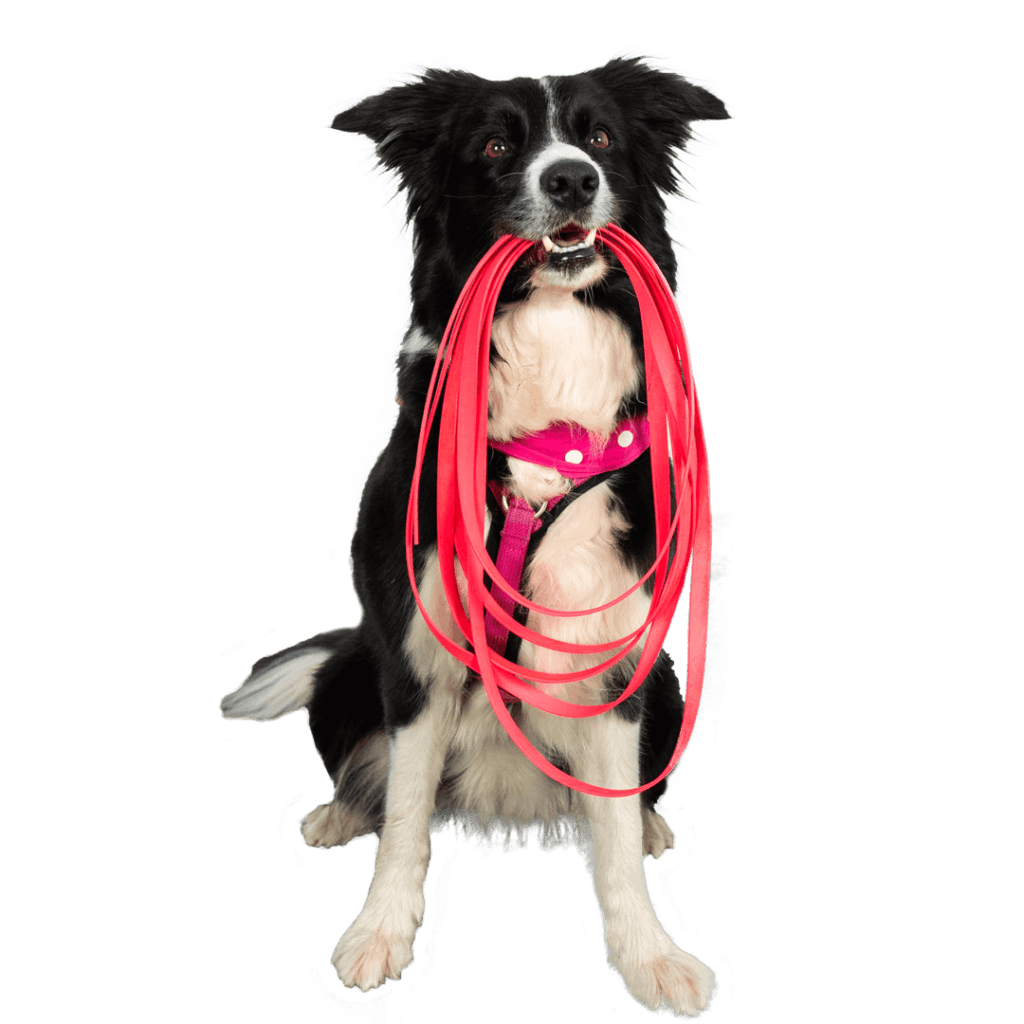
Before you start, you'll need a few things. First up: a good leash. A shorter leash gives you more control during training.
You'll also want a well-fitting harness. Use a harness instead of a collar for walks. It's much gentler on your dog's neck and spine.
A harness spreads the pulling force across your dog's whole body instead of concentrating it on the neck.
This prevents long-term problems in the neck and shoulder area, and protects your dog during any sudden, unavoidable tugs.
Bring plenty of treats for rewards and motivation. Pick a quiet spot with few distractions for your first sessions. And most importantly, bring your patience and commit to practicing regularly.
The following guide breaks things down into small, manageable steps. Take it one step at a time, and you'll get there.
-
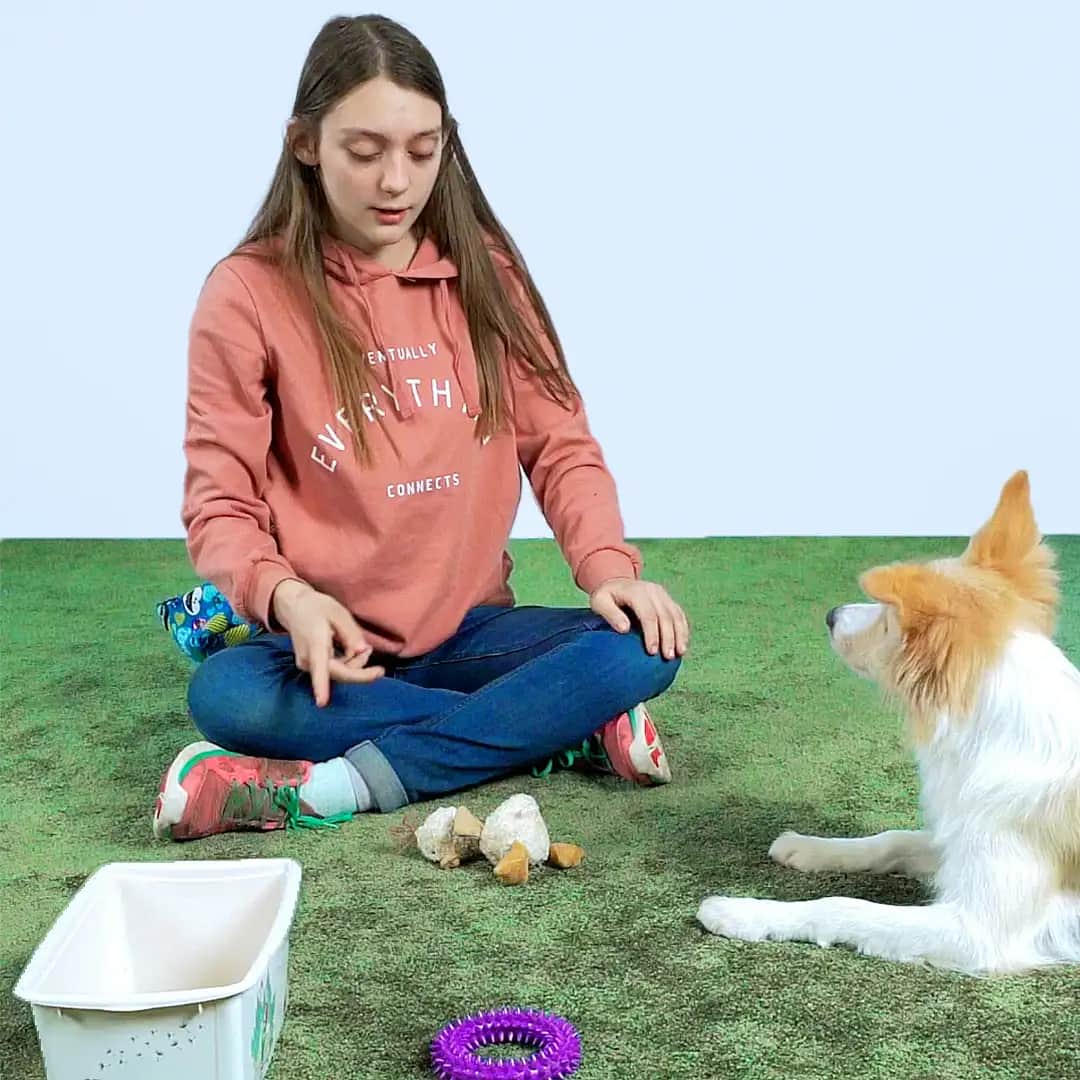
Positive Associations A lot of dogs associate the leash with something negative. Is that the case for you two? Then flip the script. Connect the leash with something your dog loves. Try leaving the leash on the floor with a treat placed right next to it. You can also bring the leash into your cuddle sessions, just hold it in one hand while you pet your dog. Get creative with it.
-
Pick a Quiet Spot Once you've spent a few days building positive associations, it's time for the first "practice walk." Here's the key: pick a calm, low-traffic location. Too many distractions and stimuli will work against you when you're trying to improve leash behavior.
-
Consistent Walking Walk your dog at a steady, slow pace for a few laps. The moment they start pulling, stop. Just freeze. If your dog doesn't settle, turn around and walk the other way at a slow pace. Don't drag your dog when you change direction. When your dog walks beside you and the leash stays loose, reward them with a treat and some enthusiastic praise. Repeat this exercise regularly and gradually increase your walk time. Over time, add more distractions so your dog learns to focus even in exciting environments.
-
Introduce Cues Once you've practiced Step 3 several times, move on to verbal cues. When your dog starts to pull, use a word like "heel" or "easy." Building this association helps you communicate more clearly with your dog down the road.
-
Change Your Pace Pace changes are one of the most effective tools for leash training. It's simple: vary your speed during the walk. Walk faster, then slower, then stop completely. When you switch things up, your dog has to pay attention to you to keep up. They learn to watch your movements instead of just charging ahead. Start with small changes and praise your dog when they respond well. Over time, your dog will focus more on you and pull less. Keep it positive and be patient.
-
Rewards Matter Don't go overboard with treats, and don't hand them out when your dog hasn't actually earned them. But rewards are a powerful tool for shaping leash behavior. Use treats when your dog starts following the rules. After a while, good leash manners will become second nature. That's when you can scale back the rewards. Save them for walks that go especially well, or for those perfect outings where your dog doesn't pull once.
-
Avoid These Mistakes For successful walks, steer clear of the mistakes we covered earlier. Never jerk your dog backward, the only exception is a true emergency when you have no other choice. And watch out for the habits that cause bad leash behavior in the first place. Try to avoid: monotonous routes, walks that are too short, rushing through walks, being inconsistent, and using harsh training methods.
Before you start training, keep these tips in mind:
- Get a quality leash and a well-fitting harness or collar.
- Start in a quiet location. Fewer distractions make it easier for your dog to learn.
- Bring treats. They're a great reward and help your dog build positive associations with training.
- Keep sessions short, especially at the beginning. Don't overdo it.
- Stay patient and calm. Your dog can sense your mood, and a relaxed handler makes for a relaxed dog.
- Tailor the training to your dog. Every dog is unique and needs their own rhythm.
Why Does My Dog Pull on the Leash?
There are plenty of reasons your dog pulls on the leash. Maybe they're excited and want to move faster. Or they've spotted something interesting, another dog, a squirrel, or a pigeon. Some dogs pull out of nervousness or fear. It could also be that your dog simply never learned proper leash manners. In some cases, there might be a health issue at play, so check with your vet if something seems off. With patience and the right approach, leash pulling can be fixed in most cases. For more on this topic, check out: Does Your Dog Pull on the Leash? (Here's What to Do)
How Do I Teach My Dog Not to Pull on the Leash?
When your dog starts pulling, stop immediately and wait until they settle. If they don't stop, turn around and walk the other way. Whatever you do, don't jerk your dog back sharply.
What Harness Should I Buy If My Dog Pulls on the Leash?
In general, harnesses are the better choice because they're much gentler than collars. A harness distributes pressure across your dog's body instead of concentrating it on the neck, which protects the cervical spine.
Why Doesn't My Dog Want to Go for a Walk?
If your dog refuses to go for walks, there could be several reasons. They might be scared of the outside world, loud noises, or unfamiliar situations. Maybe they've had a bad experience that they now associate with walks. Sometimes the dog is just tired or not feeling well, in that case, see your vet. Young dogs can find the outside world overwhelming. With lots of patience and positive reinforcement, you can help your dog build confidence. Always pay attention to what your dog is telling you, and never force them. For more on this, check out: Your Puppy Won't Go for a Walk? (3 Reasons)
Your Leash Training Plan
0/5My Takeaway
With these tips and techniques, you can absolutely turn your dog's leash behavior around. Just make sure you're always training without force or pressure.
Skip the harsh training methods, they don't work.
Find step-by-step video instructions for leash training in our app.
Keep all of this in mind, and you'll be well on your way. Before you know it, you and your dog will be enjoying relaxed, pull-free walks together.
Did you pay attention?
Question 1 of 3What is the key principle of leash training?