
Key Takeaways
- Why bother training? It builds socialization, impulse control, trust, and confidence, for both of you.
- Common triggers: Mismatched energy levels, poor socialization, bad past experiences, and leash reactivity.
- Why dogs bark at other dogs: Fear, excitement, territorial instincts, lack of socialization, or pure frustration.
- What actually helps: Redirecting attention with toys or treats, and staying calm yourself.
- The payoff: Calmer encounters mean more relaxed walks and a stronger bond with your dog.
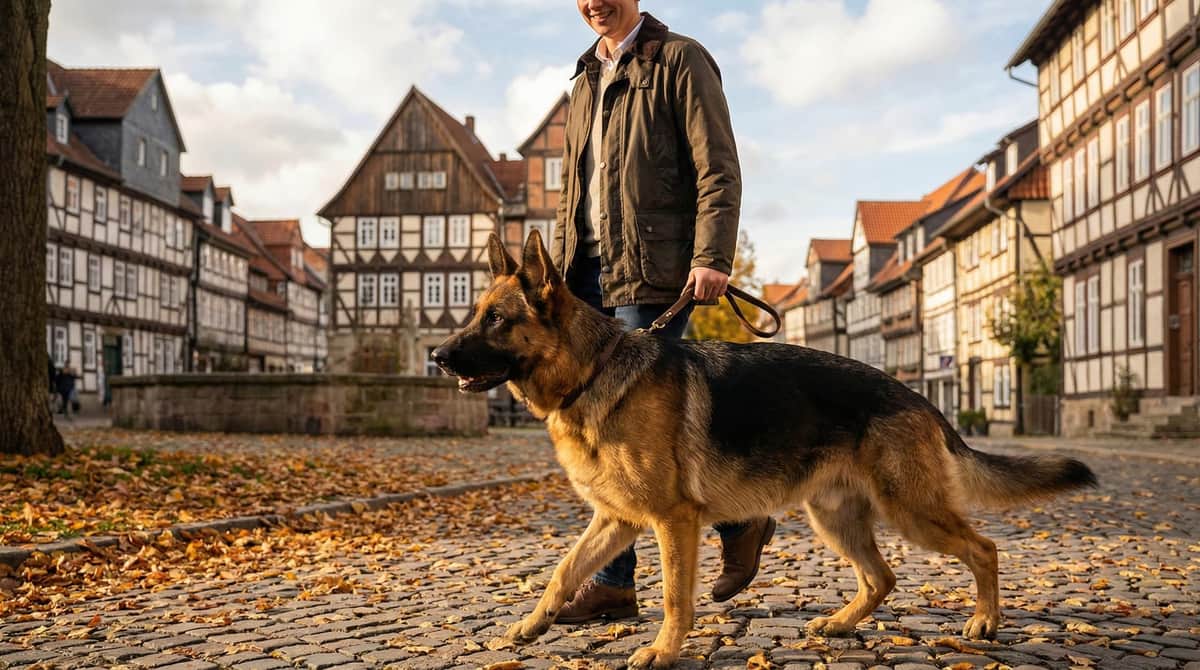
Let's be honest, running into other dogs on a walk can be stressful. For you and your pup. Because like it or not, other dogs are everywhere.
Why You Should Train for Dog Encounters
Plenty of dogs react badly when they spot another dog, lunging, barking, freezing up. That's stressful for everyone involved. And in the worst case, your dog could end up on the wrong end of an aggressive encounter.
Sometimes your dog gets barked at for no apparent reason, even when they're perfectly chill. You can't avoid every unpleasant encounter, but you can dramatically reduce the drama.
Dog encounters are especially tough when your pup responds with fear, anxiety, or over-the-top excitement. Here's why the training is worth it:
- Socialization: Dogs are social animals. Learning to interact appropriately with other dogs is key to their overall development and well-being.
- Impulse control: Training teaches your dog to stay calm instead of defaulting to fear or aggression. That alone prevents most conflicts.
- Trust and bonding: When your dog learns to look to you for guidance, your whole relationship gets stronger. Day-to-day life becomes easier.
- Safety: A well-trained dog is a safer dog, for other animals and for people.
- Responsibility: As an owner, it's on you to make sure your dog behaves appropriately in public.
- Enjoyment: A dog who handles encounters well makes every walk more fun. Period.
Training takes time and patience, no way around that. But the payoff is huge. Just make sure you keep it positive and reward-based so you don't create more stress than you solve.
What Makes Dog Encounters Stressful

A lot of things can turn a simple passing on the sidewalk into a full-blown meltdown. Here are the most common triggers:
- Mismatched energy: A hyper dog meets a mellow dog. Recipe for stress on both sides.
- Poor socialization: Dogs that never learned how to act around other dogs feel insecure, and insecurity breeds reactivity.
- Past experiences and temperament: A dog who's had bad encounters before will carry that baggage into future ones. Naturally anxious dogs have it even harder.
- Leash reactivity: Some dogs feel trapped on a leash and lash out because of it. This so-called leash aggression is one of the most common triggers.
- Pain or health issues: A dog that's hurting may snap when another dog gets too close or bumps into them.
- Clashing play styles: Some dogs play rough, others prefer chase games. When those two types meet, wires get crossed fast.
- Missed body language: Dogs communicate through posture, tail position, and movement. When one dog misreads or ignores the other's signals, conflict follows.
Watch your dog closely during encounters and don't hesitate to get professional help if things aren't improving. Every dog is different, what stresses one out might not faze another. A personalized approach almost always works best.
Only let your dog approach another dog when they're genuinely relaxed. Otherwise, a casual encounter can escalate into a confrontation fast. If your dog seems tense, give the other dog a wide berth.
A lot of owners think their dog needs to play with every dog they meet. Not true. Dogs don't need a huge social circle to develop solid social skills.
In the wild, dogs stick with the same small group, they don't constantly rotate companions. So there's zero pressure for your dog to greet every dog on the trail.
If both dogs clearly show interest in each other, let them sniff. Usually the curiosity fades quickly and they move on. Dogs are most comfortable with their pack.
Your dog sees your family as their pack. When things are calm at home, your dog feels safe. And a dog that feels safe stays far calmer around other dogs than an anxious one.
A stable environment matters more than a packed social calendar. So don't stress if your dog isn't interested in other dogs, that's totally normal.
Never force your dog into close encounters. Always respect their personality.
Some dogs are social butterflies; others are wallflowers. Both are fine. Over time, you'll notice you run into the same dogs on your usual routes. If you know a particular dog stresses yours out, just keep moving. That dynamic rarely changes.
Watch your dog's body language closely. A raised head, hackles up, or a stiff, rigid tail wag, those are all warning signs of an insecure or defensive reaction. Steer clear.
And don't just watch your dog, watch the other owner too. If they seem nervous or loud, proceed with caution. That energy goes straight down the leash.
My Dog Barks at Other Dogs, 5 Reasons

Dogs bark at other dogs for all kinds of reasons, and aggression isn't always one of them.
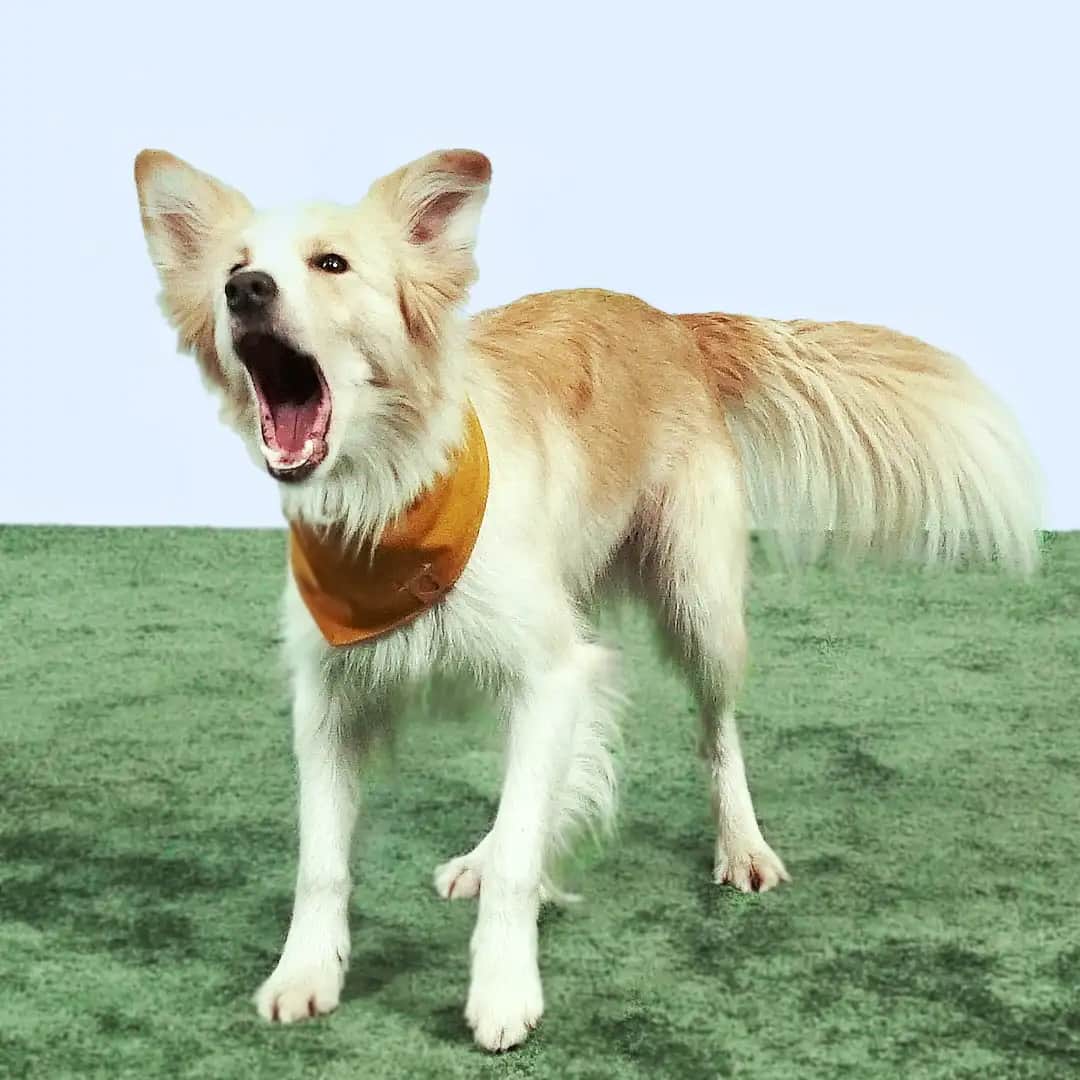
Sometimes it's pure excitement. Sometimes it's fear from a bad past experience. The key is figuring out what's actually driving the barking. Dogs that leave the house already wound up will bark way more on walks than dogs that start relaxed.
That's why you should skip the rough-housing right before a walk. If your dog is already amped up indoors, they'll unload that energy on every dog they see outside.
Look at the full picture, your dog's body language, the situation, the other dog. Here are 5 common reasons dogs bark at other dogs:
Fear or insecurity: Your dog barks to keep the other dog away. It's a defensive move, "stay back."
Excitement: Some dogs bark because they're thrilled. They want to play, and barking is how they show it.
Territorial instincts: Your dog sees the other dog as an intruder and lets them know it.
Lack of socialization: Dogs that never learned proper dog etiquette don't know what else to do. Barking becomes their default communication.
Frustration: A leashed dog that can't reach the other dog gets frustrated, and that frustration comes out as barking (often called leash frustration).
If the barking is a persistent problem, a professional dog trainer can help. They'll teach you specific techniques to help your dog manage their reactions and have calmer encounters.
For more on this topic, check out How to Stop Barking (in 5 Simple Steps).
How to Keep Dog Encounters Calm

The simplest move? Redirect your dog's attention before things escalate. Grab a toy, pull out a treat, or start a quick game.
Get your dog focused on you, not the other dog. You can also just start jogging, change direction, or do a full U-turn if the path is too narrow. Your dog shouldn't have to choose between fight or flight.
Here's something most people overlook: your energy matters too. If you tense up, your dog feels it. Stay loose, think positive, breathe. If your dog barks, that's annoying, but it's not the end of the world.
Yelling and scolding do nothing. Barking commands like "sit" when your dog is over threshold? Pointless, they literally can't process it. Just ride it out. Dogs calm down fast.
That said, don't check out of the situation entirely. Stay in charge. If you go hands-off every time things get heated, your dog starts making the decisions. And don't unclip the leash when they spot another dog, that's asking for trouble.
Aversive tools like shock collars are cruel and completely off the table. They destroy trust and make your dog miserable. The foundation of every good relationship is love, not pain.
How Do I Teach My Dog to Ignore Other Dogs?

This takes time and patience, especially if your dog is already laser-focused on every dog in sight. But it's absolutely doable. Here's how:
-
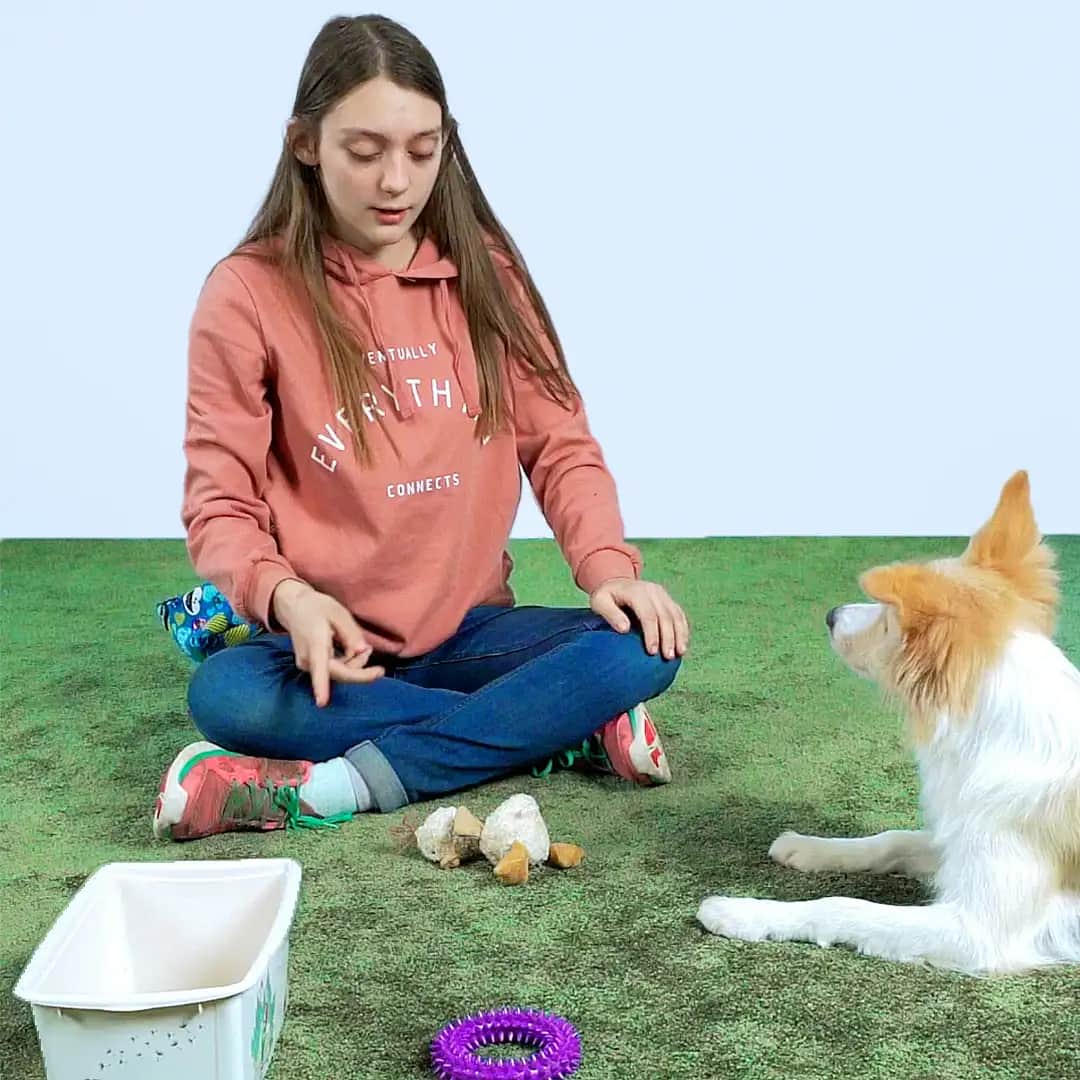
Positive reinforcement: The second your dog ignores another dog, reward them. Praise, treats, a favorite toy, whatever they love. Timing is everything: the reward needs to come immediately so your dog connects "ignoring that dog" with "good things happen."
-
Redirect early: When you spot another dog approaching, grab your dog's attention before they notice. Use a treat, a toy, or a cue like "watch me" or "look."
-
Start in a controlled setting: Practice with a friend and their calm, well-socialized dog. A controlled environment lets you set the pace and manage the distance.
-
Build up gradually: Start with plenty of space between the dogs. Only close the gap as your dog handles the situation calmly.
-
Stay consistent: You can't let your dog sprint over to greet some dogs and then expect them to ignore others. Pick a rule and stick with it.
-
Get professional help if needed: If your dog's reactivity is intense, a qualified trainer can make a world of difference.
Remember: every dog is different. What works for your neighbor's Lab might not work for your rescue. Older dogs or those with rough histories may need a more tailored approach, and that's okay.
On-Leash Dog Encounters, 2 Exercises

Here's a practical framework for practicing on-leash encounters:
Start with distance: Let your dog observe other dogs from far away first. They need to learn that other dogs aren't a threat.
Build positive associations: Every time your dog stays calm around another dog, reward them with treats or praise. You're teaching them: "other dog = good things."
Close the gap gradually: Only decrease the distance when your dog is comfortable. Respect their pace, rushing it backfires.
Practice with a buddy: If you know someone with a calm, well-socialized dog, recruit them as a training partner. Controlled reps in a safe setting build confidence fast.
Call in a pro: If you're stuck, a professional trainer can give you hands-on techniques that speed things up dramatically.
Patience and consistency are everything here. Every dog learns at their own speed. Stay positive and keep reinforcing calm behavior.
Clicker Training for Dog Encounters
Clicker training is especially effective for teaching calm behavior around other dogs. Here's how to do it:
- Condition the clicker: Before you use it in real encounters, your dog needs to understand what the click means. Click, then immediately give a treat. Repeat until your dog knows: click = reward.
- Click and reward at a distance: When your dog spots another dog and stays calm, click and treat. Start far enough away that your dog can actually stay relaxed.
- Close the distance: Gradually move closer to other dogs, clicking and rewarding calm behavior every step of the way.
- Add distractions: Once your dog gets the concept, raise the bar. More dogs, closer proximity, busier environments.
- Real encounters: Eventually, let your dog pass right by or briefly interact with another dog. Stay calm? Click and reward. Getting worked up? Back up a few steps and reset.
Stay calm and patient throughout. It might take weeks before you see a real shift. But with consistency, your dog will learn that staying cool around other dogs pays off, literally.
Want more exercises? Check out our app for step-by-step video guides on dog encounter training.
How Do I Train Dog Encounters?
Distraction is your best tool. Redirect your dog's focus onto you using their favorite treats or a go-to toy. Eye contact is huge, when your dog is locked in on you, they're not thinking about the other dog.
What Should I Do When My Dog Fixates on Another Dog?
Act fast. The second you notice the stare-down starting, break the pattern. Call your dog's name in an upbeat voice or change direction abruptly. That alone defuses most situations.
How Much Contact with Other Dogs Is Good?
Less than you think. Dogs don't need a revolving door of playmates to be happy. Two or three regular buddies beat a dozen random encounters any day. And here's the thing, your family is your dog's real pack. So don't feel guilty if your dog skips the dog park social hour.
What Should I Do When Another Dog Approaches?
Read your dog. If you see tension, stiff body, hard stare, raised hackles, create space. Dogs feel crowded fast, and crowded dogs get reactive. Aim for 15 to 30 feet of distance. Walk past at a brisk pace and keep your dog's attention on you. They should be following your lead, not sizing up the other dog.
What Do I Do About Leash Aggression?
Stay as calm as humanly possible, even when it's embarrassing. Yes, your dog is losing it. Yes, people are staring. Ignore the audience and don't add fuel to the fire by yelling or jerking the leash. Punishment doesn't work. Calm, confident handling does.
How Do I Teach My Dog to Ignore Other Dogs?
Keep the focus on you, not the other dog. It might feel ridiculous, but hopping around and laughing actually works, the goofier, the better. The moment your dog looks at you, the fixation breaks. Make yourself more interesting than whatever's across the street.
Your Dog Distraction Training Plan
0/6Conclusion
Distraction is the name of the game. Toys, treats, and eye contact, use them all to keep your dog's focus on you, not the other dog.
If your dog tends to be reactive on leash, stay calm and give the other dog plenty of room. No yelling, no drama.
Put in the reps consistently, and those stressful encounters will turn into total non-events.
Did you pay attention?
Question 1 of 3What is the critical distance when encountering other dogs?