
Key Takeaways
- Why do dogs bark? Dogs bark for all kinds of reasons, fear, excitement, boredom, or simply to communicate.
- Common causes: The main culprits are bad habits, excitement, fear, and boredom.
- Anti-bark training: A 5-step method using a command word, rewards, and consistent practice helps bring barking under control.
- Specific situations: Different causes and solutions for barking indoors, when home alone, on leash, and around other dogs.
- Benefits: These strategies and training methods improve your dog's behavior and create a calmer home.
Nothing beats a peaceful walk with your dog. But that calm can vanish fast when your dog barks nonstop. It's even worse when they do it at home, for you and your neighbors. Don't worry, though. With this guide, you and your dog can get back to enjoying the quiet.
Why Do Dogs Bark in the First Place?

Before you can stop the barking, you need to figure out why your dog barks. Is it fear, excitement, or boredom?
Barking is a key part of how dogs communicate with each other. They use it to share all kinds of information, and the reasons behind it vary widely. Sometimes your dog barks to warn others about danger. Other times, they bark just because they feel like it. Barking is essentially a dog's language, their way of talking to each other.
By the way: Your dog also uses barking to communicate with the people around them.
If you've had your dog for a while, you can probably figure out what's behind the barking pretty quickly. But if you're new to dog ownership, you might not have that instinct yet. Don't worry, that'll come. In a few months, you'll understand your dog like second nature.
To address your dog's barking effectively, it helps to recognize the specific triggers and what different barks actually mean. Once you understand the "why," you can develop the right strategies to deal with it.
Puppies
Puppies bark for many of the same reasons adult dogs do. Here are some of the most common triggers:
- Communication: Your puppy is trying to tell you or other dogs something, maybe an invitation to play or a request for attention.
- Fear: Young dogs are still discovering the world, and everything is new. An unexpected noise or unfamiliar experience can startle your puppy and set off barking.
- Excitement: Puppies get excited easily, especially when they meet new people or animals. That excitement often comes out as barking.
- Pain: If your puppy is hurting, they may bark to let you know.
- Hunger: A hungry puppy may bark to tell you it's mealtime.
- Reacting to sounds: Puppies often respond to noises around them, whether it's a ringing phone or traffic outside.
- Attention-seeking: Puppies love attention and may bark to get it.
- Boredom: When a puppy has nothing to do, they may start barking just for something to do.
- Learning to vocalize: Puppies are figuring out how to use their voice. Barking is part of this developmental stage as they experiment with different forms of communication.
To figure out why your puppy barks, pay attention to the circumstances. Watch their body language and surroundings for clues about what's triggering the barking. Remember, it takes patience and consistent training to teach your puppy when barking is okay and when it's not. Use positive reinforcement to reward quiet behavior and help your puppy build good habits.
As you've already learned, dogs bark to communicate. So occasional barking, especially when there's danger, is completely natural. It's their way of sounding the alarm. That said, your dog may also bark too often or nonstop, which can bother you, your neighbors, and people passing by.
Dogs often bark out of boredom. Daily walks, play sessions, and training go a long way. Most of the time, there's an underlying cause you can fix. Here are the most common ones:
- Bad habit
- Excitement
- Fear
- Boredom These four are the main reasons for excessive barking. With a little patience, you can tackle every one of them.
Unconscious reinforcement can be the reason behind frequent barking. In that case, your dog develops demanding barking to get what they want. The most common triggers? Begging for a treat or demanding a walk. Your dog is essentially trying to call the shots in your relationship through this behavior.
With some patience, you can break this habit. First, figure out why your dog is barking. Watch them closely. If they're standing at the door barking nonstop, they probably need to go outside. If you already have set walk times and your dog barks outside those times, it's a habit you'll need to break.
You might notice your dog barks a lot when visitors arrive or when they're generally stressed. This kind of barking is harder to stop because it's a natural instinct, not a bad habit. If your dog is overly excited, you can help by lowering their adrenaline level. Is a stressful event coming up (like a vet visit) or are you expecting a lot of guests this weekend?
Plan activities ahead of time that'll tire your dog out and bring their energy level down. If you have a fearful dog, there's a high chance of excessive barking. Most often, this stems from a past trauma that may have nothing to do with you. If your dog frequently barks out of fear, start by finding and addressing the root cause.
Are there specific situations where your dog reacts fearfully? In some cases, a natural calming remedy can help. But that's usually not a long-term fix. That's why it's best to identify and address the source of your dog's fear as soon as possible. If your dog doesn't get enough stimulation during the day, they may bark out of pure boredom. This is instinctive behavior, but you can fix it by making sure your dog has plenty to do.
Try to leave your dog alone as little as possible. You still have work and daily responsibilities. But make sure your dog has enough to keep them busy while you're away. Do you have the space and budget for a second dog? If so, it's worth considering. Dogs aren't loners, they naturally live in packs. If your dog spends several hours a day home alone, that loneliness can show up as excessive barking. A companion can make a big difference.
Don't have the space or budget for another dog? Then focus on this: Make the time you do spend with your dog, ideally right before and after work, especially active.
If your dog suddenly becomes restless, pay close attention. Here's what that might look like: You know your dog well. Constant barking was never an issue before. Then out of nowhere, their behavior changes. If this sounds familiar, schedule a vet visit.
There may be underlying issues, like a physical problem, that just recently developed. These can trigger barking. Your vet can pinpoint the cause with a quick exam and recommend the right treatment.
6 Helpful Tips to Reduce Barking
- Make sure your dog gets enough activity and exercise!
- Provide companionship and encourage social interaction!
- Always stay calm and patient!
- Ignore the barking for a few seconds before responding!
- Consider hiring a dog sitter!
- Try anti-bark training!
Other Causes:

For attention: When your dog is bored or wants your attention, they may start barking. Maybe they want to play, go for a walk, or just want your company.
Alarm and warning: Dogs often bark to alert their owners to potential threats, a stranger at the door, another animal in the yard, or an unusual noise.
At strangers or visitors: Some dogs bark when someone unfamiliar enters the house or when they spot a stranger on the street.
During play: While playing, your dog may bark to express excitement and joy.
Territorial behavior: Dogs are naturally territorial and may bark to defend their space.
Around other dogs: When meeting other dogs, barking can happen, whether it's playfulness or aggression.
During training: Dogs may also bark during training sessions, especially when they're excited or frustrated.
At night: Some dogs bark at night, possibly reacting to sounds they hear or because they feel lonely.
In their sleep: Some dogs even bark while sleeping, which usually just means they're dreaming.
Communicating with other dogs: Dogs talk to each other through barking, whether to play, mark territory, or strengthen social bonds.
Pain or discomfort: When a dog is in pain or doesn't feel well, they may bark to let you know something's wrong.
Reacting to sounds: Dogs have incredibly sensitive hearing and can pick up on sounds way too quiet for us to notice. They may react to a passing car, a ringing phone, or a doorbell.
Genetic predisposition: Some breeds are simply more prone to barking than others because of their genetics and what they were originally bred to do.
How to Stop Dog Barking - 5-Step Method
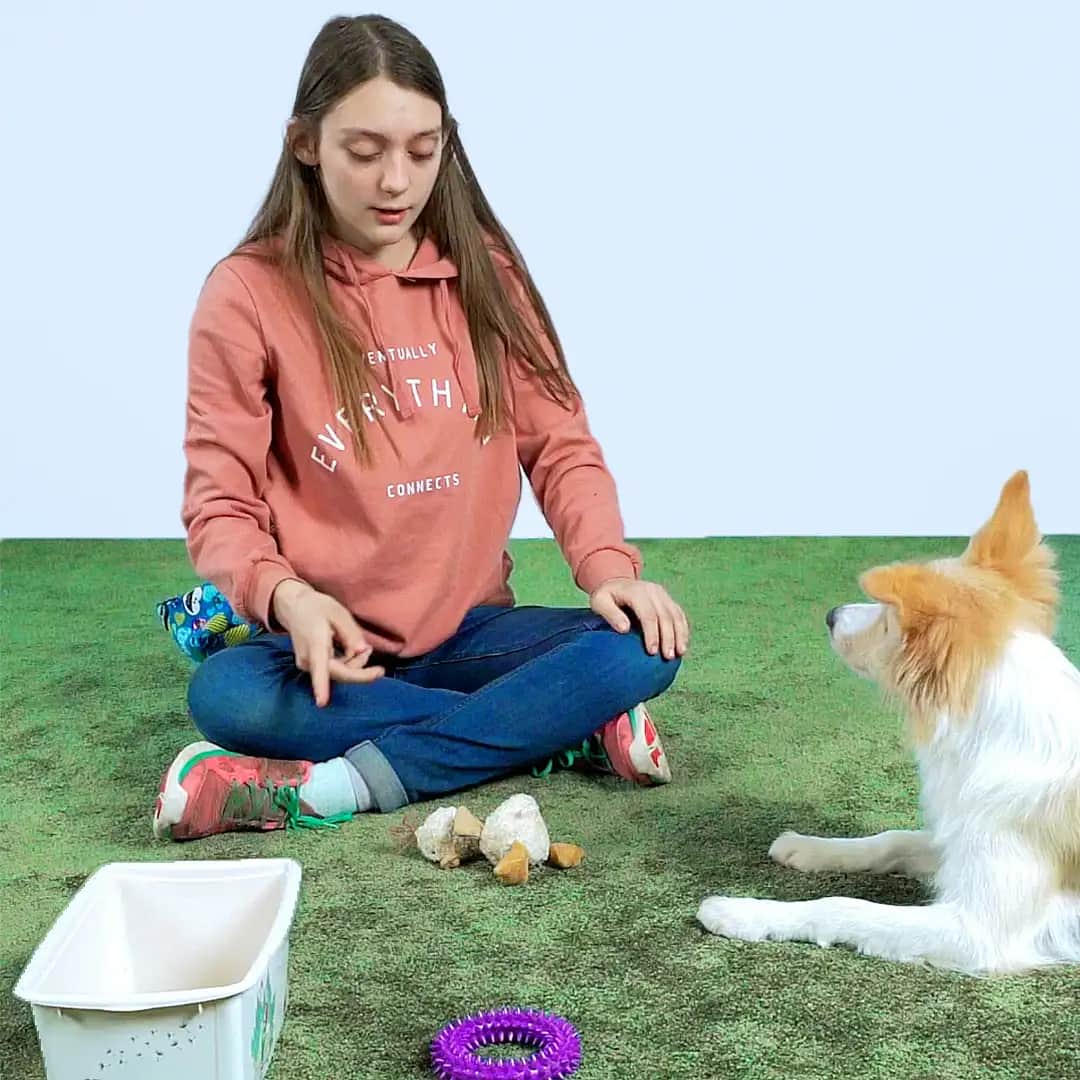
Anti-bark training is a great way to get your dog's constant barking under control. Usually, it just takes a little practice, and your dog will actually enjoy the process.

Here's how to do it, step by step:
-
Choose a Command Word Pick a calm, distraction-free environment so your dog can focus. Choose a word that signals "stop barking." It can be anything you like, but make sure it's unique, don't use a word that's already tied to another command.
-
Trigger the Barking Once you know what makes your dog bark, trigger that response on purpose. Let your dog bark and wait until they stop on their own. The moment they're quiet, say your chosen command word in a calm, soothing tone.
-
Reward As soon as your dog stops barking, praise them, "Good job!" or "Good dog!", and give them a treat. This teaches them that quiet behavior earns rewards.
-
Repeat Practice the exercise several times until your dog connects the command with stopping. Once they've got it down in a calm setting, start practicing in situations where they normally bark. Gradually increase the time between the command and the reward so your dog learns to stay quiet longer. Be consistent, use the command every time your dog barks unnecessarily.
-
Get Help If Needed If you're still not seeing results, consider working with a professional dog trainer who can also help identify the root cause of the barking. Be patient, this training takes time, especially if barking is a deeply ingrained habit. Keep your expectations realistic and give your dog enough time to learn the new command. Every dog is different, some pick it up fast, while others need more practice.
Always use positive reinforcement and avoid punishment. Punishing your dog is often counterproductive and can damage the bond between you.
Barking in Different Situations
Dogs bark in all kinds of situations, it's one of their main ways of communicating. Each situation calls for a different approach, based on understanding what's driving the barking in that specific context. Here are some common scenarios:
Indoors
Barking indoors can have several causes, and it can really disrupt life for you and your neighbors. Here's what might be going on and how to handle it:
What It Could Mean:
- Reacting to sounds: Your dog may be responding to noises coming through walls or from outside.
- Fear and insecurity: Unfamiliar smells, sounds, or changes in the home can make your dog anxious.
- Boredom and lack of stimulation: A dog that isn't mentally or physically challenged enough may bark out of boredom.
- Attention-seeking: Your dog may have learned that barking is a surefire way to get your attention.
What You Can Do:
Give your dog plenty of exercise and mental stimulation to prevent boredom and restlessness. Create a calm environment by minimizing noise and darkening windows to reduce visual triggers. A well-trained dog is less likely to bark indoors. Teach them to settle quietly and socialize them in a variety of environments and situations.
Reward your dog when they're quiet and ignore unwanted barking, this shows them that barking won't get your attention. Provide plenty of toys and activities to keep them busy when you're not around. In some cases, calming aids like sprays or weighted blankets can help ease your dog's anxiety. If nothing seems to work, reach out to a professional dog trainer or behaviorist.
When You Come Home
Your dog is thrilled to see you! It's totally natural for dogs to get excited and loud when their owner walks through the door. But with time and training, you can teach them to greet you more calmly. Start by staying calm yourself, then greet your dog.

What It Could Mean:
- Excitement: Your dog is happy to see you and can barely contain their joy.
- Greeting ritual: For many dogs, barking is part of how they say "Welcome home!"
- Habit: If your dog barks every single time you come home, it may have simply become routine.
What You Can Do:
Keep your greetings calm and low-key so your dog learns that homecomings don't have to be a big event. When you walk in and your dog barks, completely ignore them until they stop. Only then should you say hello.
Teach your dog a calm greeting routine. For example, train them to go to a specific spot and stay quiet when you come home. If your dog stays quiet when you arrive, reward them for it, petting, verbal praise, or a treat all work. Stay consistent in your training and reactions so your dog knows what's expected.
On Leash
Barking on leash can signal territorial behavior or insecurity. Training and socialization can help.
What It Could Mean:
- Reactive behavior: Your dog might be reacting to other dogs, people, or things in their environment.
- Frustration: The leash prevents them from moving freely, which can build frustration.
- Fear and insecurity: Some dogs feel restricted and vulnerable on leash, which can ramp up barking.
- Protective instinct: Dogs have a natural urge to protect, and barking can be their way of claiming space or guarding themselves.
What You Can Do:
Socialize your dog well so they react more calmly to other people and dogs. Work on leash manners through consistent training. Use treats and toys to keep your dog's focus on you and distract them from whatever triggers the barking. Reward calm, controlled behavior on leash to reinforce what you want.
Calming techniques like massage can also help. If you know certain situations or things set off your dog's barking, try increasing your distance from those triggers. If you're struggling to solve the problem on your own, a professional dog trainer can make a real difference.
Barking at Other Dogs
Dogs may bark when they see or hear other animals, especially other dogs. Distraction and training are your best tools here. Keep your distance from other dogs and gradually work on closing the gap over time.

What It Could Mean:
- Social interaction: Barking can be a way dogs communicate, starting or responding to a social exchange.
- Fear: Your dog may bark out of fear or insecurity, especially if they've had bad experiences with other dogs.
- Territorial behavior: Your dog might be defending their turf and barking to keep other dogs away.
- Excitement: An overstimulated or highly excited dog may just start barking.
- Play invitation: Sometimes barking is actually a friendly "Let's play!"
What You Can Do:
Start socialization early and keep it going. Regular positive interactions with other dogs improve your dog's social skills. Teach commands like "Stop" or "Quiet" so your dog learns to stop barking on cue. Use positive reinforcement to reward calm behavior and help your dog build positive associations with seeing other dogs. Distraction techniques, like offering treats or a toy, can redirect your dog's attention.
Set up initial encounters in a controlled environment to minimize conflict and encourage positive experiences. If your dog is fearful, work on building their confidence around other dogs through calming techniques and targeted training sessions.
Until your dog is better trained, avoid situations that could lead to barking conflicts. Is this too theoretical for you? If you're more of a visual learner, our app offers step-by-step video guides for handling dog encounters. Discover the Hundeo dog training app
When Your Dog Is Home Alone
This can be a sign of separation anxiety. Build up alone time gradually. Be patient, teaching your dog that it's okay to be by themselves takes time and effort, but it's absolutely doable.
What It Could Mean:
- Separation anxiety: Your dog may feel anxious and insecure when left alone.
- Boredom: Without entertainment or mental stimulation, a dog gets bored fast and may start barking.
- Reacting to sounds: Dogs may respond to outdoor noises, especially when they're alone and already feeling on edge.
What You Can Do:
Get your dog used to being alone gradually by slowly increasing the duration. Make sure they're physically and mentally tired before you leave. Create a safe, cozy space for your dog to hang out while you're away. Sometimes turning on a radio or TV helps mask outside noises that might set off barking.
Before you head out, make sure your dog is calm and reward that calm behavior. Consider installing a pet camera so you can check in on them. If the problem persists, talk to a professional dog trainer or your vet for tailored advice. Is this too theoretical for you? If you're more of a visual learner, our app offers step-by-step video guides for teaching your dog to stay home alone. Discover the Hundeo dog training app
When the Doorbell Rings
Train your dog to stay calm when the doorbell rings by rewarding them when they don't bark.
What It Could Mean:
- Reacting to a trigger: The doorbell is a strong stimulus that can set off an instant reaction.
- Protective instinct: Your dog wants to warn you or protect you by alerting you to a potential intruder.
- Excitement or fear: The doorbell can also trigger excitement or fear, especially if your dog associates it with visits from strangers or friends.
What You Can Do:
Train your dog to stay calm when the doorbell rings. Simulate the doorbell while telling them to stay calm, then reward quiet behavior. Distract your dog with a toy or treat when the doorbell goes off to redirect their attention away from the door. Introduce a command like "Quiet" and practice it regularly.
Set up a designated spot in your home where your dog can go when the doorbell rings so they feel safe and secure. Help your dog build a positive association with the doorbell by pairing it with good things, treats, praise, or a favorite toy. When guests arrive, ask them to ignore your dog for the first few minutes to keep excitement levels down. If the problem continues, work with a professional dog trainer.
Dog Barks Constantly
A dog that barks nonstop can be tough to deal with. To figure out what's behind the constant barking and get it under control, you'll need to identify the causes and apply the right strategies. Here are some tips:

What It Could Mean:
- Boredom: Your dog is understimulated and looking for something to do or someone to notice them.
- Fear and stress: Your dog could be stressed or afraid of certain sounds or situations.
- Reacting to environmental sounds: Dogs have incredibly sensitive hearing and often pick up on sounds we can't even hear.
- Health problems: Sometimes nonstop barking can point to an underlying health issue.
- Territorial behavior: Your dog may be defending their territory from perceived intruders.
What You Can Do:
Make sure your dog gets enough daily exercise and mental stimulation. Regular training helps your dog respond better to commands, and socialization can reduce fear and aggression. Reward your dog when they're quiet and ignore the barking, this teaches them that barking won't get the attention they're after. Give your dog a quiet, safe place where they can retreat when they're stressed or anxious.
Try redirecting your dog's attention to something else when they start barking. If you suspect a health issue might be the cause, schedule a vet appointment. If the problem sticks around, consider working with a professional dog trainer.
Barking at Sounds
Gradually desensitize your dog to sounds. A cozy sleeping spot often helps.
What It Could Mean:
- Sound sensitivity: Your dog may react strongly to certain sounds, which often leads to increased stress.
- Fear and insecurity: At night, insecurity and fear of darkness or unfamiliar noises can intensify.
- Territorial behavior: Dogs are naturally territorial and may react to sounds they interpret as intrusions.
What You Can Do:
Work on sound desensitization by gradually exposing your dog to different noises. Make sure your dog has a safe, comfortable sleeping spot at night where they feel secure. Stick to a consistent evening routine so your dog knows what to expect and feels safer. Consider calming techniques like soothing music or a calming supplement to help them relax.
Use distraction techniques to redirect your dog's attention away from disturbing sounds, toys or chew items work well. If the problem is severe, a professional trainer can help you pinpoint the cause and develop targeted strategies.
During Sleep
Barking in their sleep is completely normal and usually doesn't require any special attention. Most dogs go through dream phases where they react much like they do when awake. So occasional sleep-barking is nothing to worry about.
What It Could Mean:
- Dreams: Dogs dream just like we do. While dreaming, they can make all sorts of sounds, including barking.
- Reacting to sounds: Dogs can pick up on noises even while sleeping and respond with barking.
What You Can Do:
If your dog seems to be dreaming, it's best to let them be so they can continue their natural sleep cycle. If sleep-barking happens frequently, watch for patterns, is it connected to certain events or environmental noises? Create a quiet sleep environment:
Make sure your dog's sleeping area is quiet and free from disruptive sounds. If you're concerned or the sleep-barking gets worse, visit your vet to rule out health issues or get specific guidance.
A calming bedtime routine can help your dog relax and sleep more soundly.
During Play
Remember, barking is a natural form of communication for dogs. Barking during play is normal and usually nothing to worry about. The goal is finding a balance where your dog can express themselves without going overboard.
What It Could Mean:
- Excitement and joy: Dogs can get really amped up during play, and barking is simply their way of showing excitement and happiness.
- Demanding attention: Your dog may bark to get you to keep playing with them.
- Frustration: Sometimes barking comes from frustration, maybe a toy is out of reach or the game isn't going their way.
What You Can Do:
Encourage calmer games that don't get your dog too wound up. Games like "find it" or scent work can be great alternatives to wild chasing and tug-of-war. If your dog stays quiet during play, reward them with praise or a treat to reinforce that behavior. Time limits: Keep play sessions short enough to prevent overstimulation and the barking that comes with it.
Teach the "Quiet" command. Introduce a word like "Quiet" or "Enough" and train your dog to stop barking when they hear it. Take breaks. If your dog gets too riled up and starts barking, pause the game and let them calm down before picking it back up. Be consistent in how you respond to barking so your dog understands what's expected.
During Training
Training should be a positive, rewarding experience for your dog. If barking becomes an issue during sessions, it may be a sign that something needs adjusting to make the experience more comfortable for your pup.
What It Could Mean:
- Frustration: Your dog may be frustrated because they don't understand an exercise or find it too hard.
- Excitement: High excitement can lead to more barking during training, especially when treats or other rewards are involved.
- Attention-seeking: Your dog may be trying to get your attention, especially if they think barking leads to treats or praise.
- Discomfort: If your dog is uncomfortable or in pain, they may bark to let you know.
What You Can Do:
Keep the training environment quiet and distraction-free so your dog can focus. Use simple, clear commands and keep each session short to avoid frustration and overstimulation. Reward your dog when they're quiet and attentive to reinforce that behavior. Keep sessions brief and upbeat to prevent burnout.
Make sure you're using the right technique and be patient while your dog learns. If barking during training is an ongoing problem, it might be worth consulting a professional dog trainer.
Genetic Predisposition
Not every dog of a particular breed will be a big barker, there are always individual differences. That said, some breeds tend to bark more often because of their historical roles and breeding background. Here are a few:
Beagle Originally bred as hunting dogs, Beagles tend to bark and howl loudly, especially when they pick up an interesting scent.
Fox Terrier
Known for their lively, energetic personalities, Fox Terriers tend to bark when excited or as a warning.
Chihuahua Small but mighty, Chihuahuas are known for frequent barking, often to alert their owners to perceived threats. Miniature Schnauzer: With a strong guarding instinct, this breed tends to bark a lot to alert the family.
Dachshund These little dogs bark when excited or anxious, and since they can be a fairly nervous breed, that happens pretty often.
Shetland Sheepdog
Highly intelligent and alert, Shelties can bark quite a bit, especially when they notice something out of the ordinary.
Pomeranian This small but spirited breed can be very territorial, which often leads to intense barking when they feel threatened.
Yorkshire Terrier
Yorkies tend to be brave and confident, which often translates to a lot of barking, especially when they spot other dogs or people. Keep in mind that training and socialization play a huge role in managing unwanted barking, regardless of breed.
Why Does My Dog Bark Constantly?
Barking is a key part of how dogs communicate. They use it to share information. But when a dog is stressed, fearful, bored, or hasn't been properly trained, it can turn into excessive barking.
How Long Can My Dog Bark Before It's Considered a Noise Disturbance?
Noise regulations vary by location. Generally, dogs shouldn't bark during designated quiet hours (typically nighttime). If your dog barks continuously for extended periods, it may be considered a noise disturbance, and your neighbors could have legal options. Check your local noise ordinances for details.
How Can I Stop My Dog From Barking?
To stop your dog from barking, try praising them whenever you successfully get them to stop. You'll find detailed step-by-step instructions in our article above.
Your Anti-Barking Training Plan
0/6Conclusion & Recommendation
An excessively barking dog can be a real challenge, but with patience, understanding, and consistent training, you can help your dog become calmer and more balanced. Every dog is different, what works for one may not work for another. Figure out what clicks for your dog and enjoy the quiet moments together.
Put our tips and tricks into practice, and your dog's constant, annoying barking could soon be a thing of the past. Just make sure to apply these strategies with patience and calm.
Whenever possible, remove or avoid the things that trigger your dog's barking.
Don't punish: Scolding or punishing often makes barking worse because it raises your dog's stress level. Getting aggressive with your dog isn't just counterproductive, it also creates emotional distance between you two.
That distance makes it harder to connect with your dog, and these tips won't work as well. If your dog suddenly starts barking out of nowhere, see your vet right away. Is this too theoretical for you? If you're more of a visual learner, our app offers step-by-step video guides for managing excessive barking. Discover the Hundeo dog training app
Did you pay attention?
Question 1 of 3Your dog barks when you grab your jacket and keys. What do you do?