

- Anal glands sit on either side of the anus (at the 8 and 16 o'clock positions)
- Symptoms: scooting, licking, redness, swelling
- When in doubt, have your vet express them
Does your dog drag its rear end across the floor or constantly lick at its anus? These are classic signs of clogged anal glands. If you don't step in early enough, you risk inflammation and painful abscesses.
What is an anal gland?
In dogs, a distinction is made between the anal glands and the anal sac. The anal sacs are a special form of gland found only in carnivores: with the exception of the brown bear, which has no anal sacs.
The anal sacs form a collection point for a special glandular secretion at the end of the large intestine. This secretion is slimy, brownish in color, and strong-smelling. Traces of blood or yellow/green pus-like secretion are not normal and call for veterinary treatment.
Where are the anal sacs located?
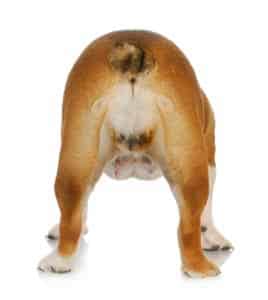
The anal sacs sit below and to the side of the anus: at the 8 and 16 o'clock positions on a clock face. This makes them easier to feel.
The secretion serves several purposes: it gives each dog an individual scent (which is why dogs sniff each other's rear ends), marks the territory during defecation, makes it easier to pass firm stool, and signals readiness to mate to other dogs.
Small breeds like Chihuahuas and Spaniels run into problems with clogged or inflamed anal sacs more often than large breeds.
Symptoms and causes
Normally the anal sacs empty on their own during defecation. When the outlet ducts get clogged, the secretion builds up and causes increasing discomfort. On top of that, bacteria can trigger inflammation.
First signs: scooting
So-called scooting: the dog slides its rear end across the floor: is the most obvious symptom. Clogged glands cause intense itching, and the dog tries to relieve it this way. If the glands do manage to empty, an intense, unpleasant smell is the result.
Other signs: the dog licks or bites at its anus, or chases its own tail.
Signs of inflammation
Redness and swelling around the anus point to inflammatory processes. An inflamed anal gland is painful, itches badly, and puts pressure on the anal area. Affected dogs avoid walking or avoid sitting down.
Left untreated, abscesses and suppuration develop. Fever, loss of appetite, and apathy are serious warning signs: go to the vet immediately.
Expressing the anal glands properly
The external method is suitable for mild blockages. Put on disposable gloves and keep a paper towel ready. With your thumb and index finger, feel for the anal sacs at the 8 and 16 o'clock positions and squeeze them evenly upward and inward. The secretion comes out of the anus. The smell is intense: it's best to do this outdoors or in the bathroom.
The internal method (with a finger inside the anus) is more effective but reserved for the vet. It's used for chronically clogged or hardened glands.
Prevention
A fiber-rich diet is the most important factor. Firm stool puts natural pressure on the anal sacs as your dog presses and empties them every time it goes to the toilet. Stool that is too soft isn't enough for this. Psyllium husks (1 teaspoon per 10 kg of body weight, mixed into the food daily) firm up the stool naturally.
Keep the weight in check. Overweight dogs run into anal gland problems more often, because fat deposits narrow the outlet ducts.
Regular exercise supports digestion and keeps the stool firm. Dogs that walk a lot have clogged anal glands less often than dogs that get little exercise.
Recommendation from the vet
If you've never expressed anal glands before, you should have a professional show you the technique. If you find pus or blood, get veterinary advice right away: don't wait. Emptying the anal sacs regularly and a fiber-rich diet help prevent recurring problems.
Were you paying attention?
Question 1 of 3What is the most obvious symptom of clogged anal glands?
You'll find everything about caring for your dog at Hundeo Pro. From training and nutrition to health: structured courses with video guides, training tracking, and personal help from real trainers when problems come up.


