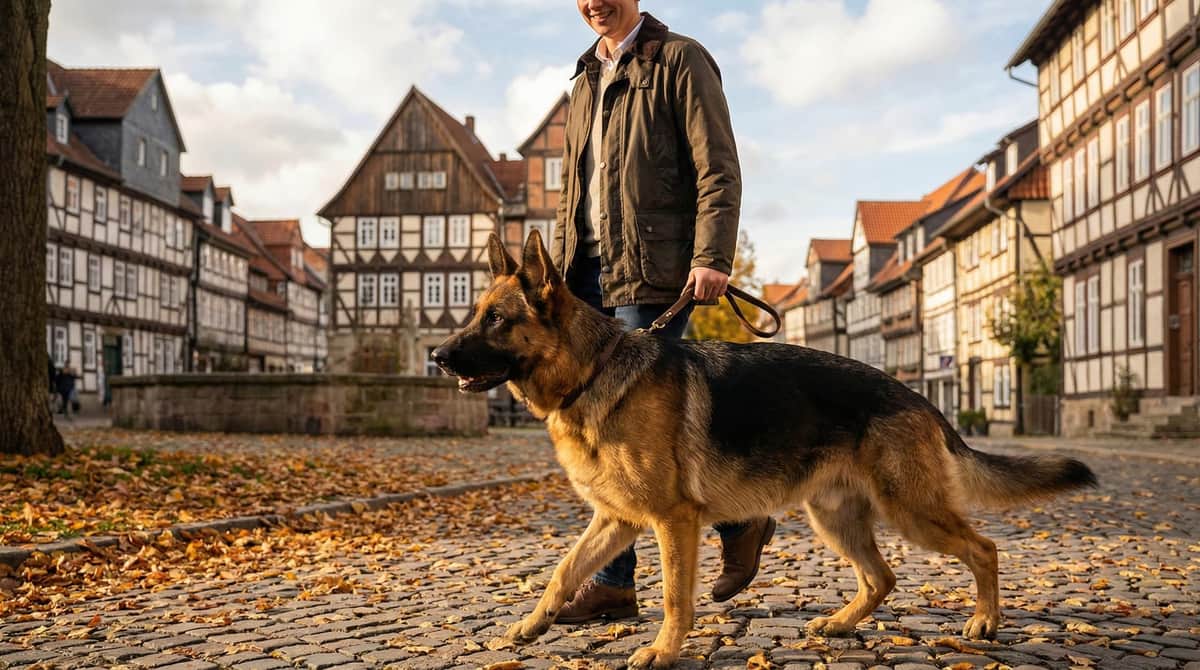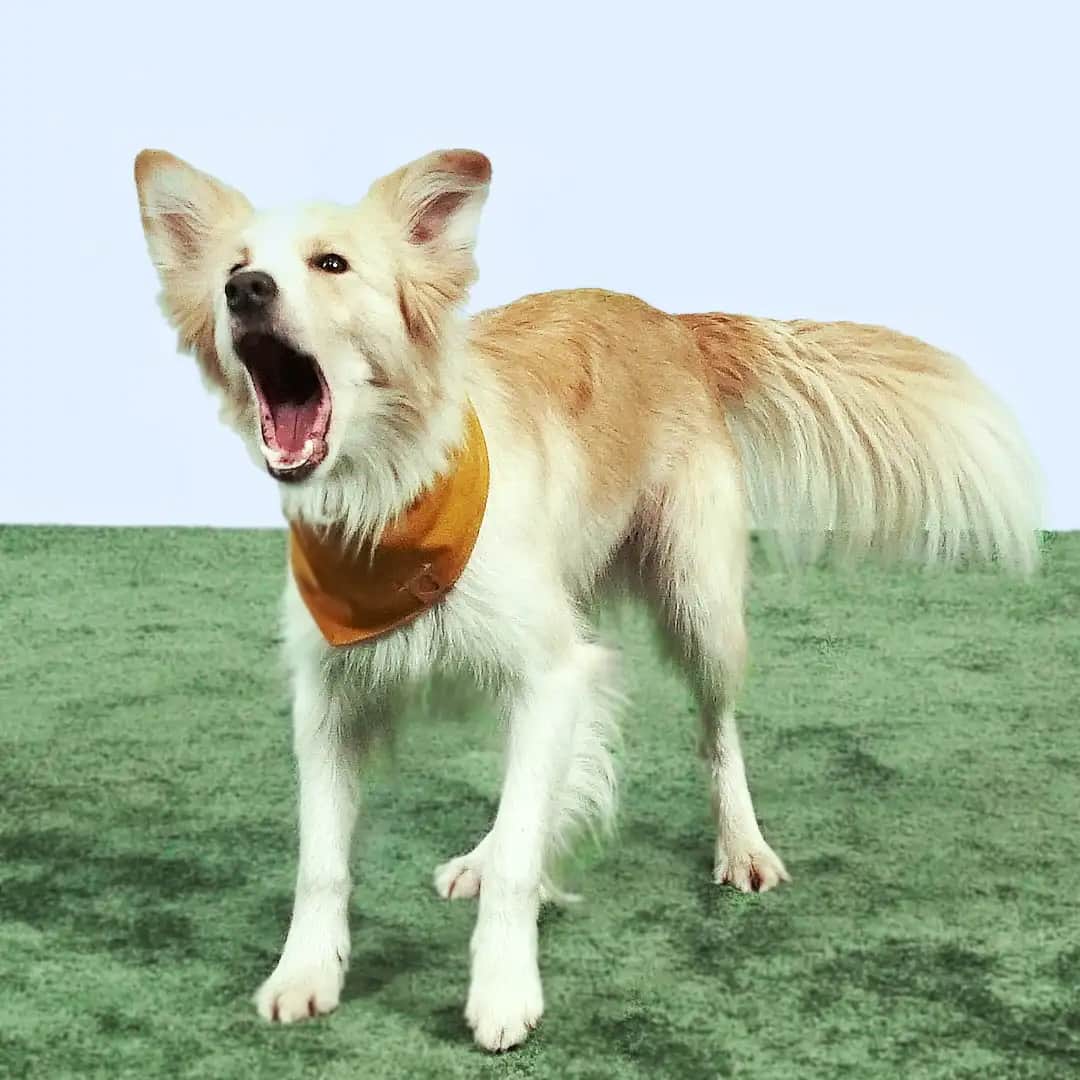

Puppies bite during play. That's not misbehavior; it's innate exploratory and social behavior. In their first weeks, they learn from their littermates and their mother how much pressure is too much. When a puppy moves in with you, you take over that role. The goal: the puppy learns to use his mouth in a controlled way and understands that human skin is more sensitive than dog fur.
- Biting during play is normal puppy behavior, not a sign of aggression
- 3-step method: offer a toy, stop the game, leave the room
- Reacting immediately is decisive: "Ow!" the moment the bite happens
- Never play with your hands; always put a toy in between
- Every family member has to react the same way
- Most puppies learn it in 2 to 4 weeks with consistent training
Why puppies bite
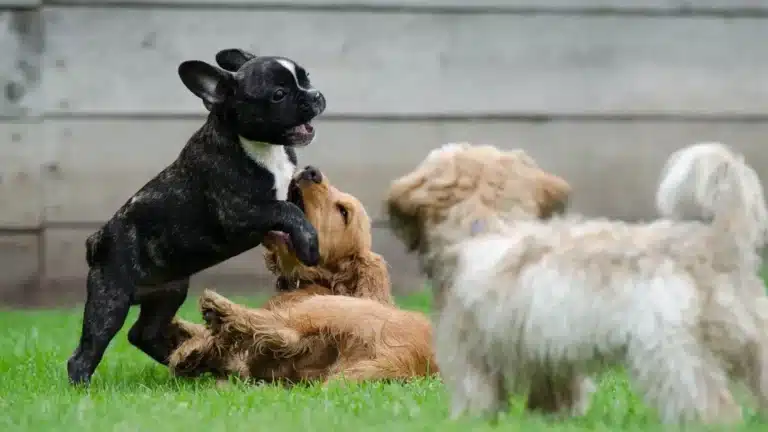
Dogs don't have hands. Their mouth is the tool they use to explore their surroundings, much like toddlers who touch everything and put it in their mouths.
When playing with their own kind, puppies test their bite strength. When one bites down hard, the other yelps and the game stops. That's how they learn: too hard = game over. Mother dogs set clear limits on top of that by ending the game abruptly when a puppy gets too rough.
With people, that natural feedback is often missing. Many puppy owners react too late, too quietly, or inconsistently. He then learns: biting has no consequence. Or worse: biting gets attention (even being scolded is a win for an under-stimulated dog).
Playful biting is no precursor to aggression. A young dog who bites while romping around won't automatically turn aggressive. When a dog truly bites is a different topic. He just has to learn how much pressure is allowed with people.
The 3-step method
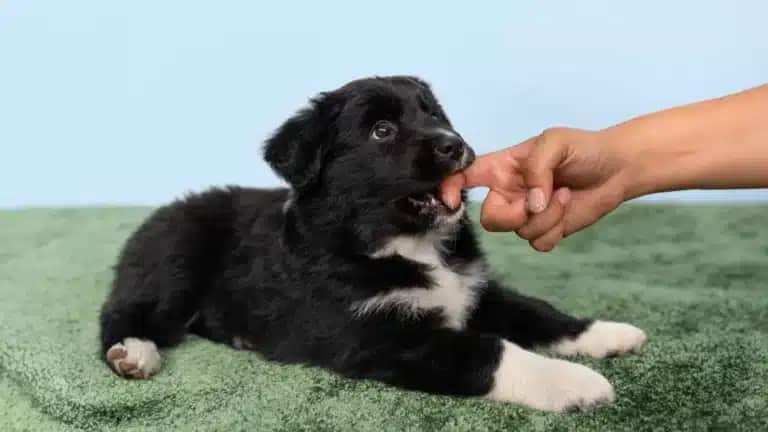
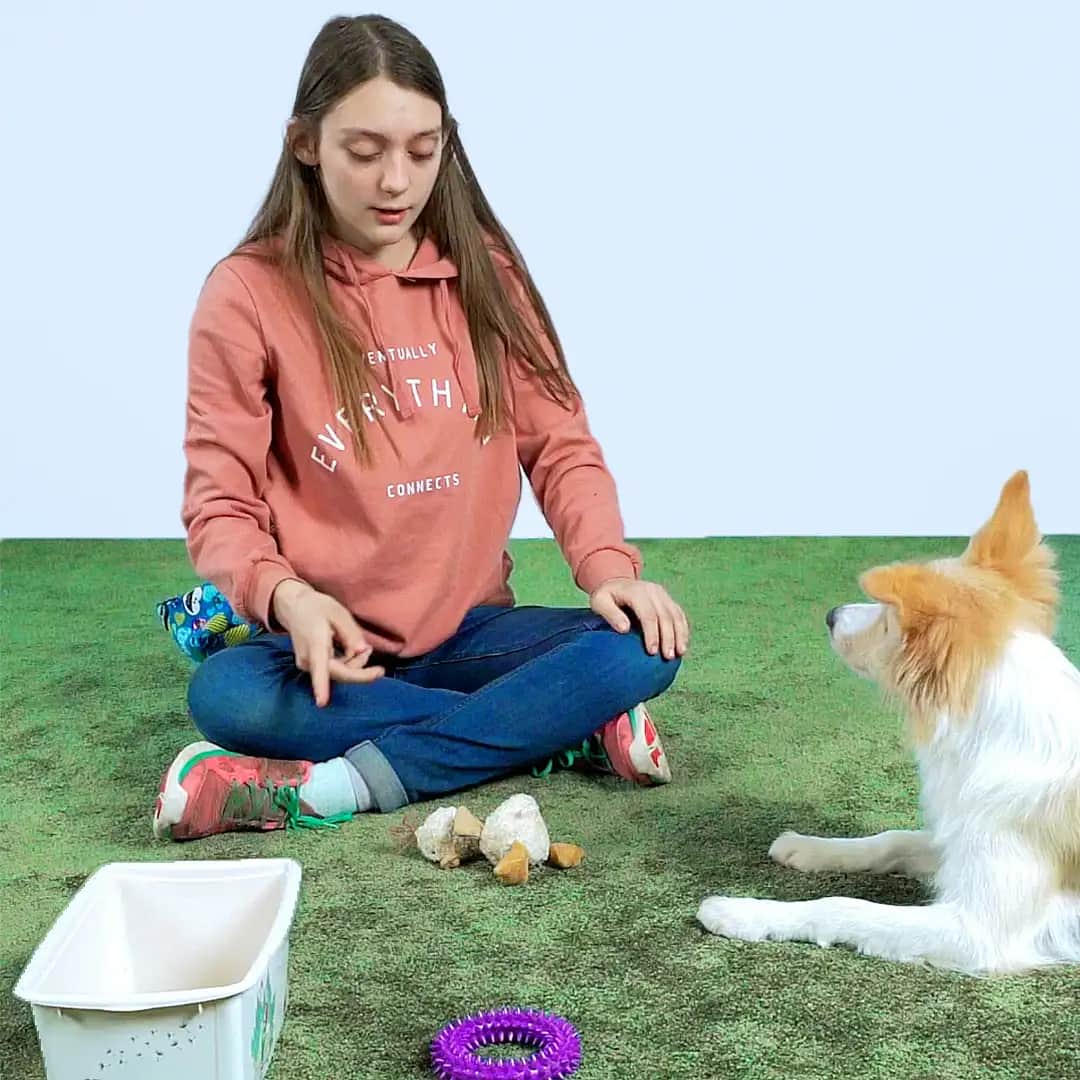
Step 1: Redirect to a toy. Never play with bare hands. Always keep a tug or chew toy ready. When the puppy snaps at your hands, push the toy toward him. If he takes it: praise him. That's how he learns: chewing the toy = the game continues, biting hands = unwanted.
Step 2: Interrupt the game right away. If he bites your hand despite the toy: say a short, clear "Ow!" (don't shout). Pull your hand back calmly (no sudden jerk, that triggers the prey drive). Pause the game for 10 to 15 seconds, then carry on. That brief stop is enough of a signal.
Step 3: Leave the room. If he snaps again right after the interruption: stand up without a word and leave the room. Wait 30 seconds. Then come back and start a new game with a toy. The message is unmistakable: too much pressure = the human disappears.
These three steps build on one another. You'll handle most situations with step 1. You mainly need step 3 with very wound-up young dogs who just can't regulate themselves at that moment.
Common mistakes
Inconsistency. If Dad tolerates biting during roughhousing and Mom puts a stop to it, the puppy learns: it depends on the person, not the rule. Every family member and every visitor has to react the same way.
Pushing him away. A gentle push is part of the game for the puppy. It spurs him on. Hands away, leave the room; that's the clearer signal.
Punishment. Scolding, tapping his nose, or holding his muzzle shut. The puppy doesn't understand what he's being punished for. He only learns that you're unpredictable. That damages the bond and can trigger fearful behavior.
Reacting too late. The "Ow!" has to come in the very second of the bite. Five seconds later, the puppy can no longer connect it to anything.
Too much excitement. Some puppies snap mostly when they're overexcited. If steps 1 and 2 don't take hold, the puppy is simply too worked up to learn right now. Don't escalate further; calmly leave the room and give him time to regulate himself.
Teething and chew alternatives
From around the 16th week of life until the 7th month, puppies go through teething. The gums itch and hurt, and the urge to chew goes up. During this phase, the puppy needs an especially large supply of allowed chew alternatives: rawhide chews, natural-rubber toys, or chilled teething rings. Anyone who offers enough acceptable chew objects clearly reduces the nibbling on hands, shoes, and furniture.
Socialization helps
It turns out that your puppy learns bite inhibition faster through regular encounters with other dogs. Playing with peers gives immediate feedback: bite too hard = the other one yelps and the game stops. A puppy class offers controlled play situations with dogs of various sizes and breeds.
Your training plan
0/8Related topics
Were you paying attention?
Question 1 of 3Why do puppies bite during play?
The exercises in this article are an excerpt from the Hundeo course "Puppy Training." At Hundeo Pro, you'll find every lesson as a video guide with a step-by-step structure, plus training tracking and, when problems come up, personal help from real trainers.