The complete dog training guide with 43 tips from certified trainers. Your dog doesn't always listen? You're not alone. Good training makes life with your dog so much easier, and lets you bring them anywhere with confidence.
- 43 tips with step-by-step guides for every topic
- From basic commands like sit and down to advanced exercises
- Master leash training and dog-to-dog encounters
- Puppy training from potty training to bite inhibition
- Fix common problem behaviors like pulling, barking, and jumping
Training Basics
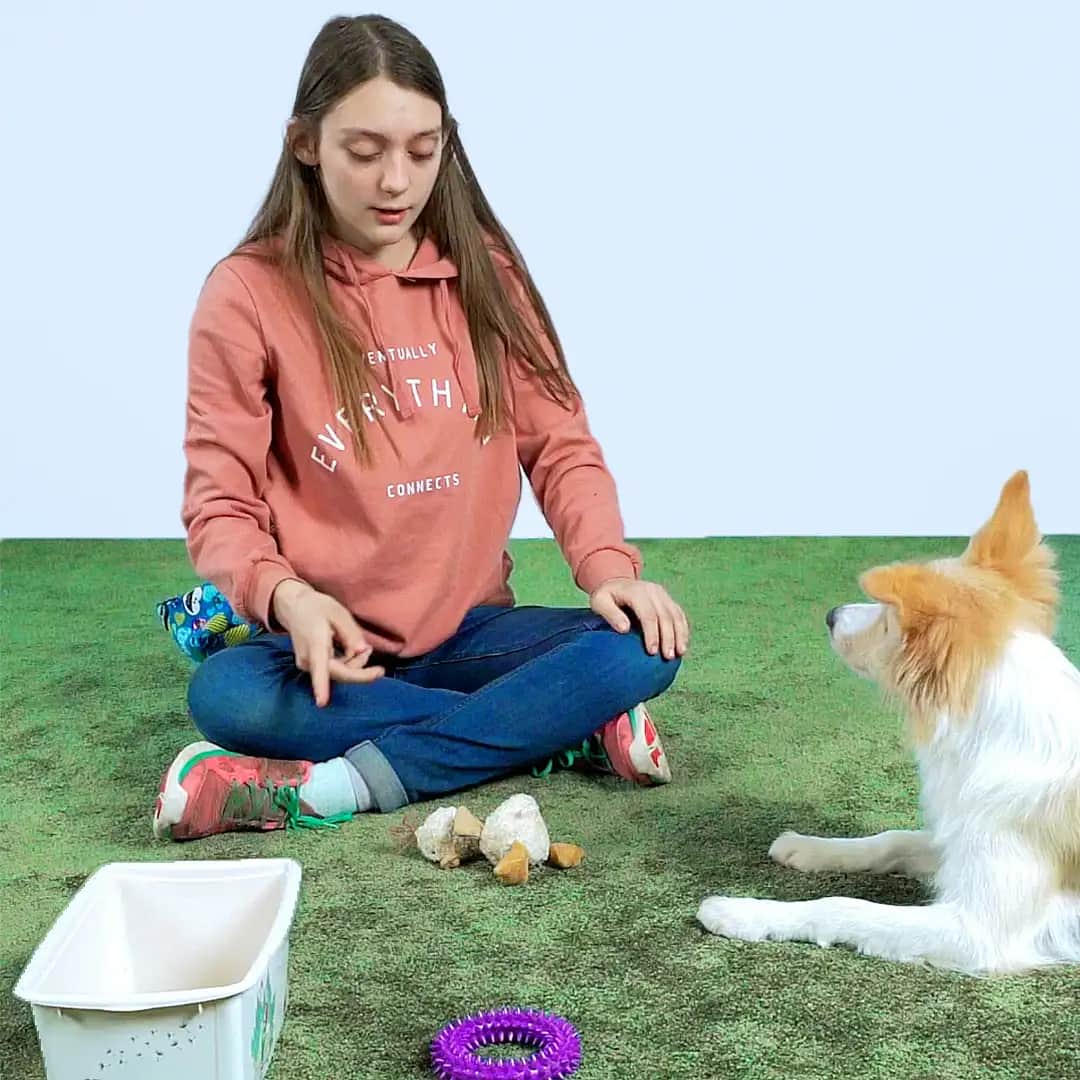
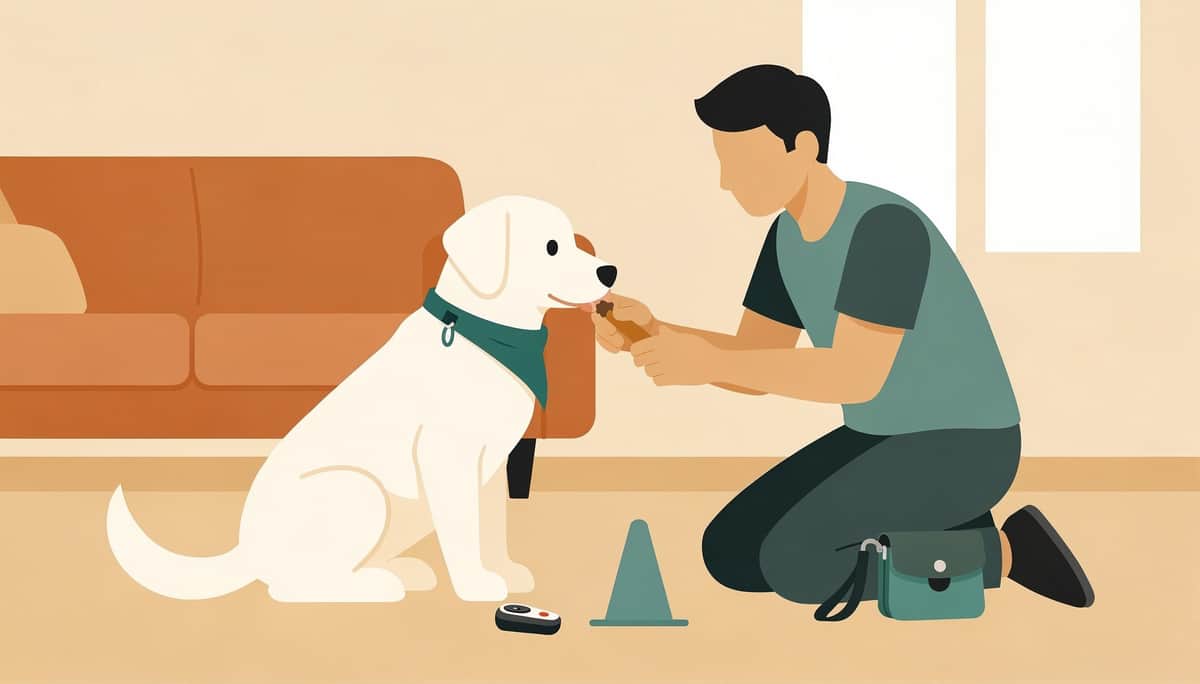
Before you dive into training, it helps to know the fundamentals. That means basic commands, clicker training as a method, and building impulse control. This foundation sets you up for everything else.
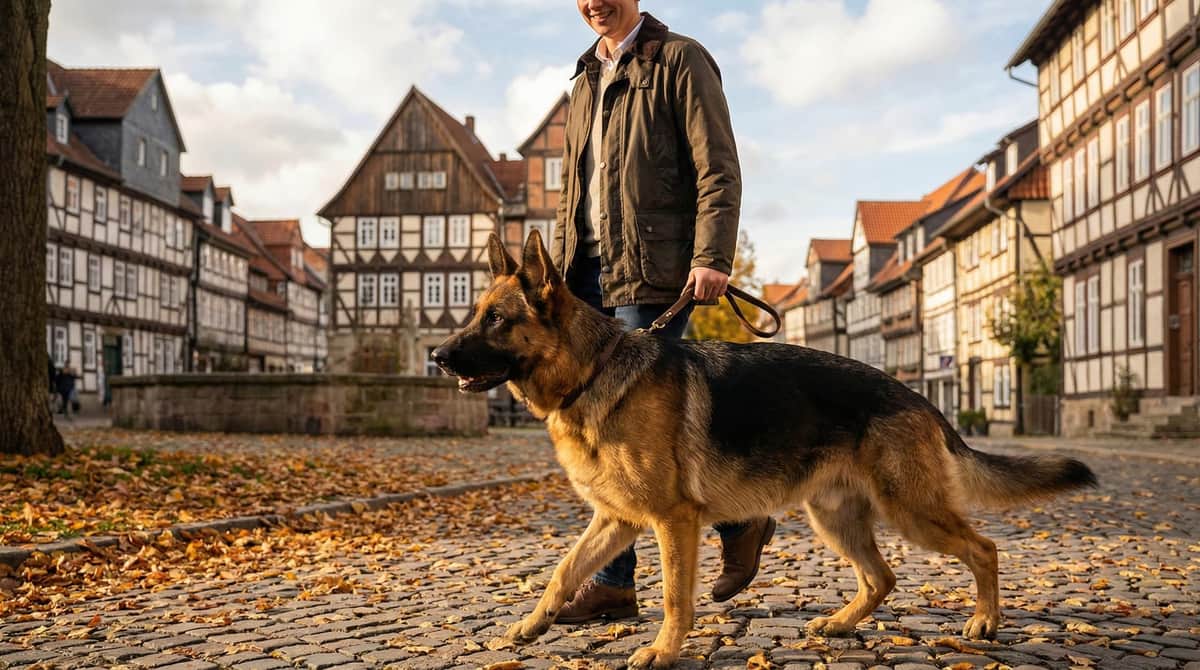
Leash Training & Walks
Leash training is one of the most common everyday struggles. Lots of dogs pull on the leash because they're excited to explore. With the right approach, you'll both start enjoying your walks again.
Solving Problem Behaviors
Every dog acts out at some point. The key is figuring out the cause instead of just treating symptoms. The following sections cover solutions for the most common issues, from barking to biting to jumping up.
Puppy Training
Puppies are curious, playful, and have the attention span of a goldfish. But puppyhood is a critical window for training. What your puppy learns now shapes their behavior for life.
Communication & Bonding
Training doesn't start with commands, it starts with your relationship. When you understand your dog's language and build a strong bond, everything else gets easier.
Tricks & Enrichment
Training doesn't stop at basic commands. Tricks and brain games challenge your dog mentally, strengthen your bond, and are just plain fun for both of you.
Dog School & Training Programs
Whether it's puppy class or private sessions, a good dog school can speed up your training in a big way.
Why Is Dog Training So Important?
Training starts with your puppy and never really stops. During puppyhood, the focus is on socialization, potty training, and basic obedience. With adult dogs, it's about obedience, impulse control, and polishing up existing commands.
The secret to successful training? Consistency and patience. Regular training sessions and predictable responses to your dog's behavior help them learn the rules fast.
Frequently Asked Questions
When should you start dog training?
As early as possible, ideally during puppyhood. The socialization window (weeks 8 to 16) is especially important for building foundations and bonding.
Can you still train an older dog?
Absolutely. Dogs can learn at any age. Older dogs may need a bit more patience since they have to unlearn old habits first.
What's the most important thing in dog training?
Consistency and patience. When everyone in the family follows the same rules and uses positive reinforcement, your dog picks things up much faster.
Why does my dog pull on the leash?
Usually because they're excited and want to get to the good stuff faster. Leash training takes targeted practice, but it pays off.
Did you pay attention?
Question 1 of 3What is the most important thing in the first days with a new puppy?