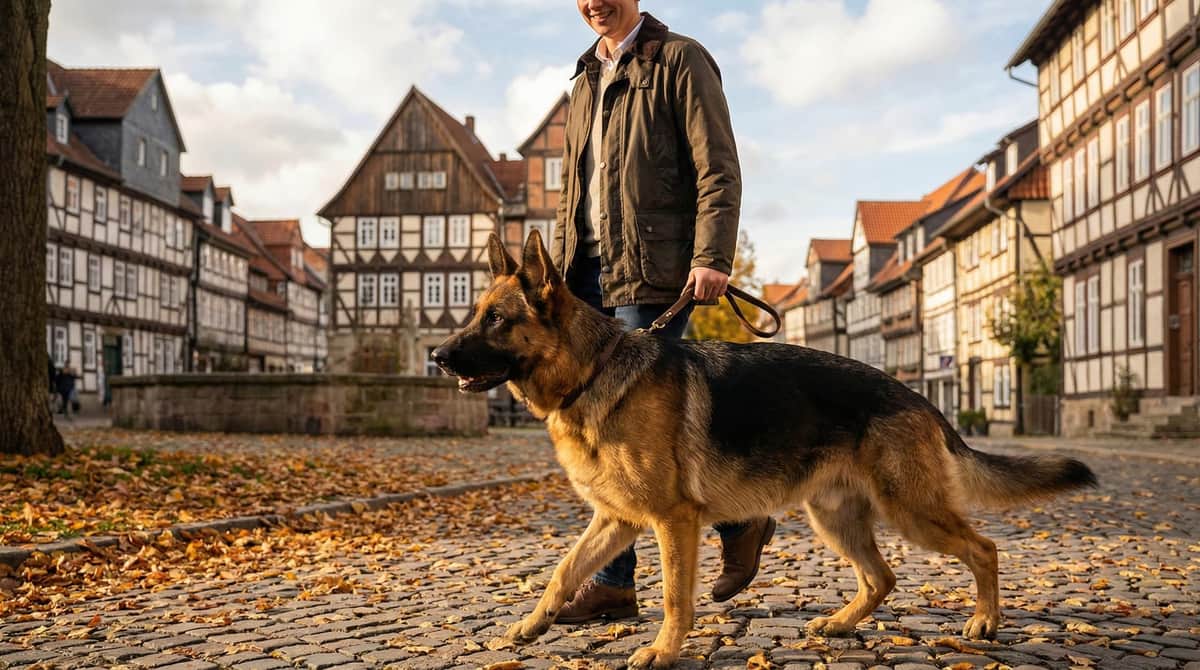

Key Takeaways Step-by-step training: You build impulse control by gradually introducing new stimuli. Start with simple exercises like "sit," then ramp up the difficulty, leave the room, delay the reward. Small, steady progress is everything. Patience and rewards: Reward even tiny wins. Treats and petting reinforce good behavior and grow your dog's patience, which leads to better control in stressful situations over time. Daily practice: Work impulse control into everyday moments, feeding time, the front door, playtime. Your dog learns to stay calm and focused even when excitement is through the roof, like right before chasing a thrown ball. When your dog can't control their impulses, life gets stressful fast. Your nerves are shot because at any moment they could bolt into the street, dart in front of a bike, or charge at a stranger. Impulse control is the key to a balanced, harmonious relationship between you and your dog.
What Is Impulse Control?
Impulse control means your dog can rein in their instincts and impulses, staying calm and responsive even when they're fired up or something grabs their attention. It helps them make better decisions and behave appropriately in all kinds of situations.
Think of impulse control as your dog's ability to manage themselves. They learn self-regulation. It takes work, patience, and consistency, but it absolutely pays off.
When Should I Start Training?
You can start building impulse control as early as the puppy stage. Teach your pup to respond to signals like "sit" or "wait" and hold back their impulses. The earlier you begin, the easier it'll be for your dog to master this skill for life.
Difference Between Impulse Control and Frustration Tolerance
Impulse control means your dog can hold back their spontaneous reactions. Picture this: your dog spots a juicy piece of steak but doesn't lunge for it. That's impulse control in action. Frustration tolerance is about how well your dog handles not getting what they want. If they stay calm even though the ball isn't coming right away, that's solid frustration tolerance.
Bottom line: impulse control is about holding back behavior, while frustration tolerance is about handling disappointment. Train both skills and you'll have a happier, more balanced dog.
Benefits of Good Impulse Control
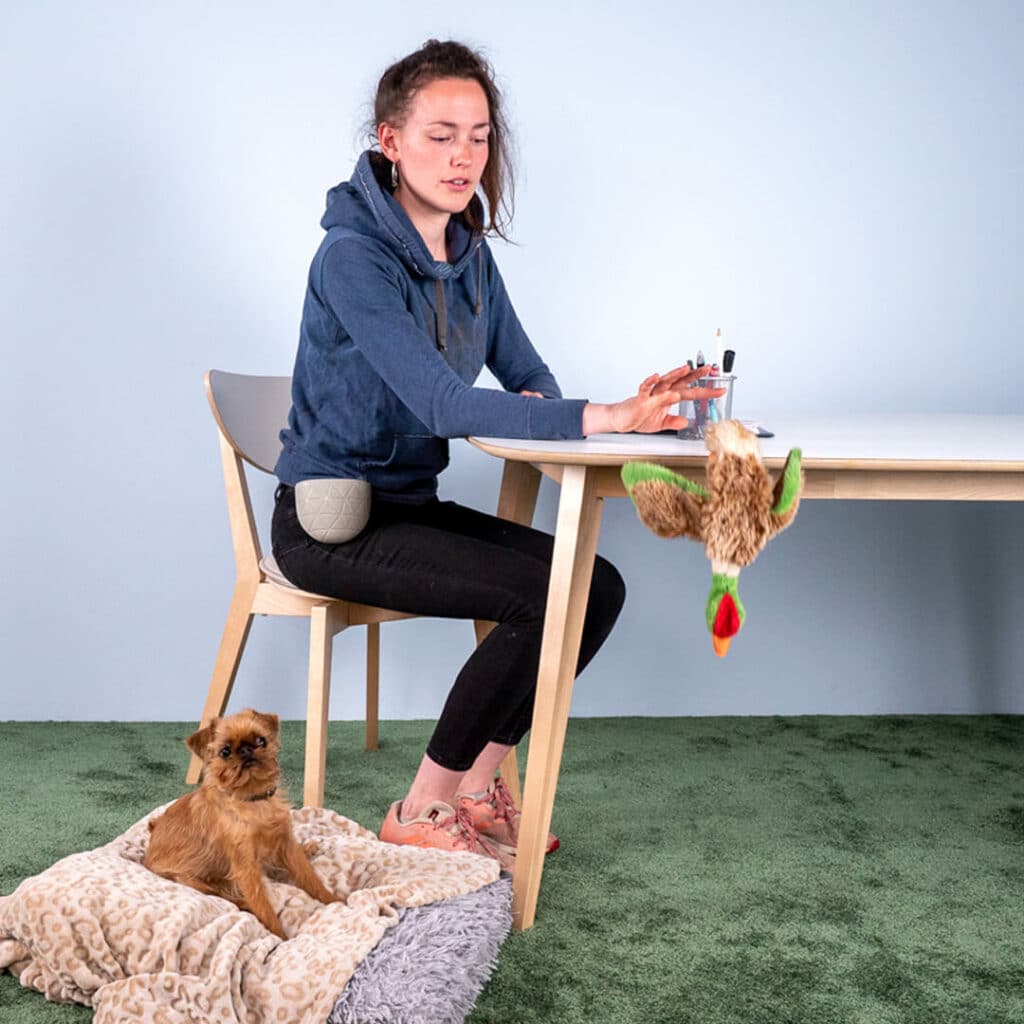
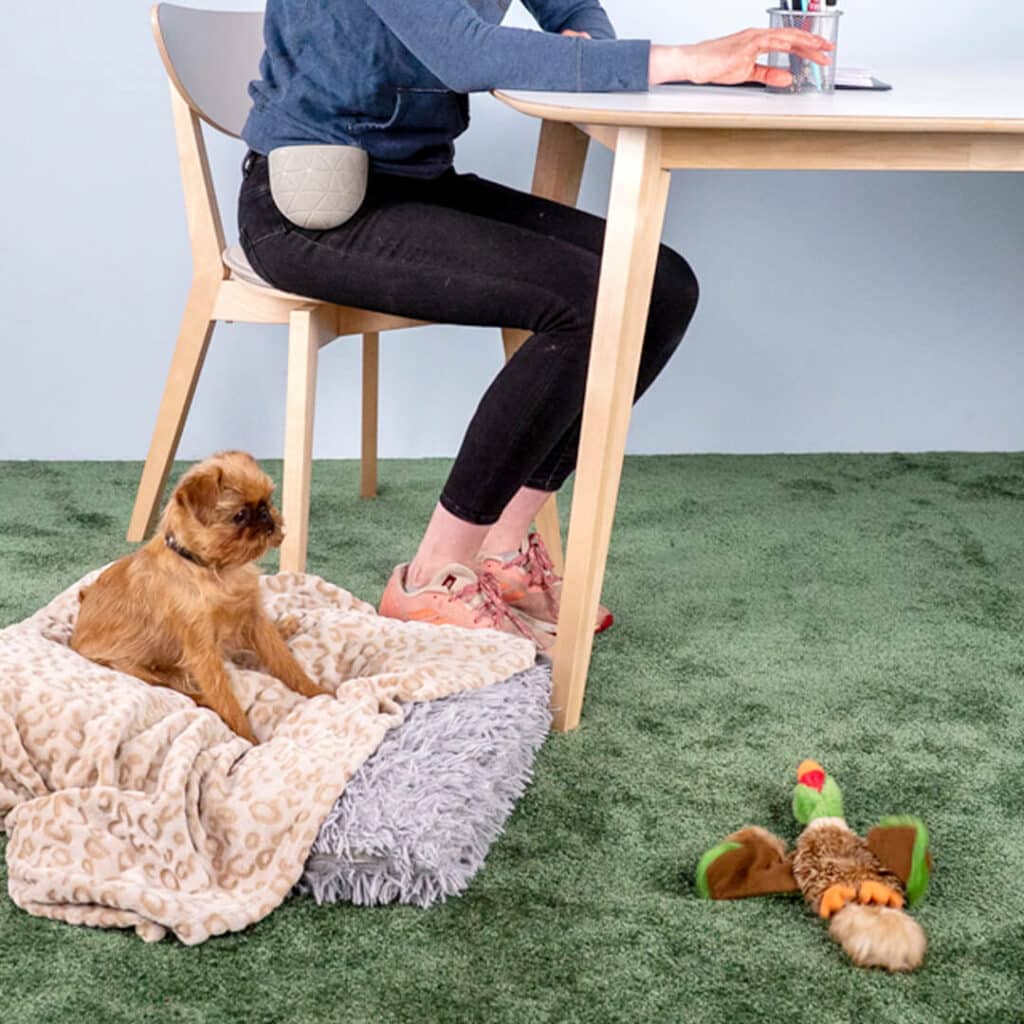
The benefits are huge. You're teaching your dog to keep themselves in check, and that alone is a real help. But there's even more upside:
- Better behavior: Dogs with strong impulse control react more calmly and show fewer problem behaviors. No jumping on people, no lunging at food, no wild zoomies every time something exciting happens.
- Safety: Impulse control keeps your dog safer. It can stop them from darting into the street to chase a ball, for example.
- Easier training: Impulse control lays the groundwork for everything else. A dog who's learned to manage their impulses picks up new commands faster and responds better to training overall.
- A happier dog: Good impulse control makes for a happier dog, period. They handle stress and frustration better and navigate the world with more confidence.
- Smoother dog encounters: Your dog won't rush at every dog they see. They stay calmer and less stressed during meetups. They learn it's OK to pass another dog without saying hello. That's safer for other dogs too, not every dog appreciates a stranger barreling toward them. Less conflict, less stress, better well-being all around.
Another big win: you can transform their leash behavior. No more uncontrollable pulling, just relaxed, enjoyable walks. Impulse control builds on commands your dog already knows.
Take "sit," for example. It's the perfect starting point for you and your dog. Your pup doesn't know this command yet? Teach it first. You'll need it before moving on to impulse control training.
Here's a quick, effective guide:
Start with your dog standing. This matters because you want to see a clear change during the exercise. While your dog is standing, grab a treat, as discreetly as possible. Then draw their attention to your hand and the treat.
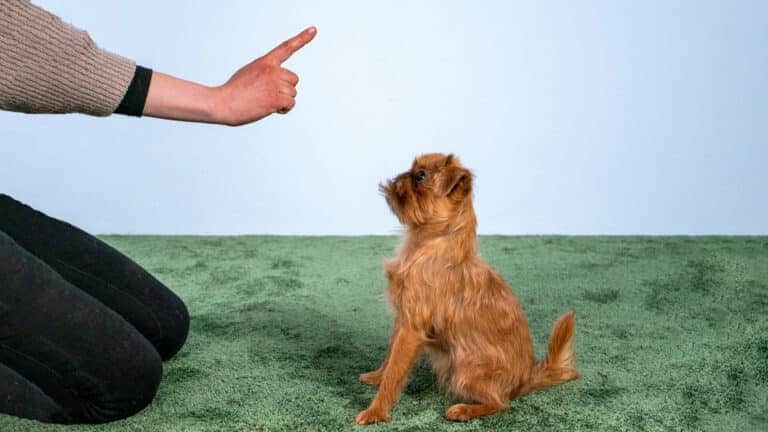
Did they spot it? Keep it in your closed fist. Now slowly move your hand over their head. You'll notice they naturally drop into a sit. The moment they sit, hand over the treat. Layer in other rewards too, give them a pat and some verbal praise like "good job" or "good boy/girl." Once you've repeated step 3 a few times, move on to step 4.
Now, watch your dog closely. Right before you move the treat over their head, say the word "sit." Your dog will start connecting the command with the action. Repeat this for a few days, several times a day. That's what locks the command in.
Awesome, your dog now knows "sit." Time to circle back to impulse control, because "sit" is the perfect foundation for it. Right now, your dog probably can't hold a sit for very long. A few seconds, maybe, before they get antsy. That's exactly what impulse control fixes.
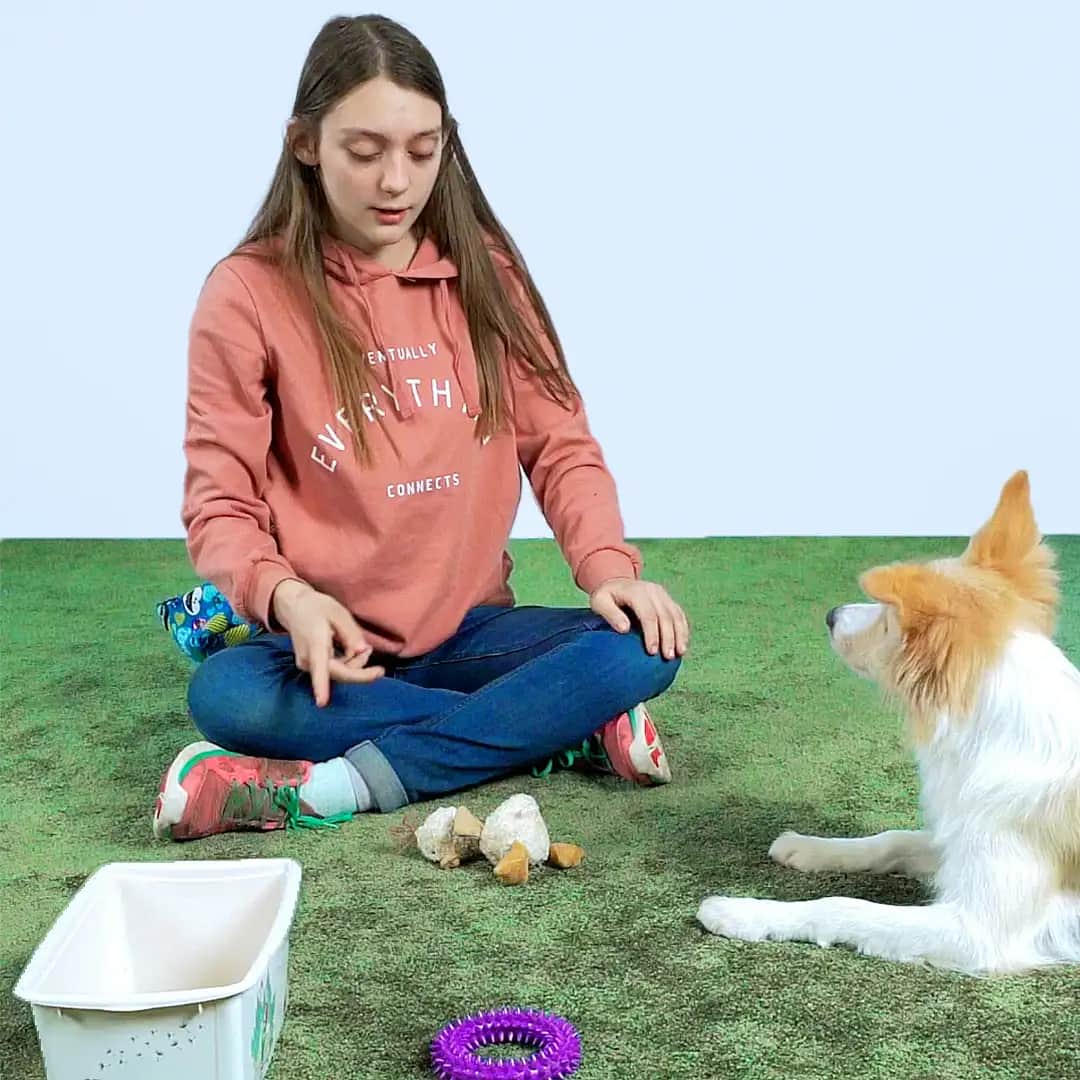
With impulse control training, you'll get your dog holding that sit longer and longer. Once they've internalized it, they can apply that same self-control to other behaviors. The idea is to build your dog's patience step by step. At first, just shift around a little. Then give the treat. Gradually layer in more and more distractions.
The end goal? You leave the room for a few seconds. When you come back, you reward your dog with a treat and some petting. Obviously, you only get to that point after plenty of practice. Push this step too early and you'll overwhelm your dog.
Rushing ahead actually backfires and hurts their progress. That's why intermediate steps are so important.
Here are some ideas:
- Sit down briefly and stand right back up
- Walk to a cabinet or dresser and pretend to look for something
- Pass the treat from one hand to the other
- Ignore your dog for a few seconds and glance around the room
- Set down treats your dog doesn't get right away
- Drop a toy on the floor
There are endless ways to add intermediate steps. Get creative! Just make sure each step is only a small jump in difficulty from the last one.
5 Exercises for Impulse Control
There are tons of exercises you can do to sharpen your dog's impulse control. Here are five favorites:
"Stay" exercise: Ask your dog to stay put while you walk away. Start with short distances and gradually increase both distance and duration as they succeed.
"Wait for food": Before setting the bowl down, have your dog sit or lie down and wait for your go-ahead. This builds control even when they're starving and excited.
"Door exercise": Have your dog sit and wait while you open the door, they only walk through when you say so. No more door-dashing.
"Toy exercise": Toss a toy or ball, but make your dog wait before chasing it. They only go when you give the release command.
"Treat exercise": Hold a treat in your closed fist and have your dog wait until you give permission to take it.
Always practice these exercises with plenty of patience and positive reinforcement. Every dog learns at their own pace, so stay patient and consistent. Over time, your dog's impulse control will grow, and you'll both be happier for it.
Want more impulse control exercises? Check out our app and take the full impulse control course.
The Most Important Rules
Got impulse control down and keep leveling it up? Great, you're almost there. Here are some key rules to keep your training on track.
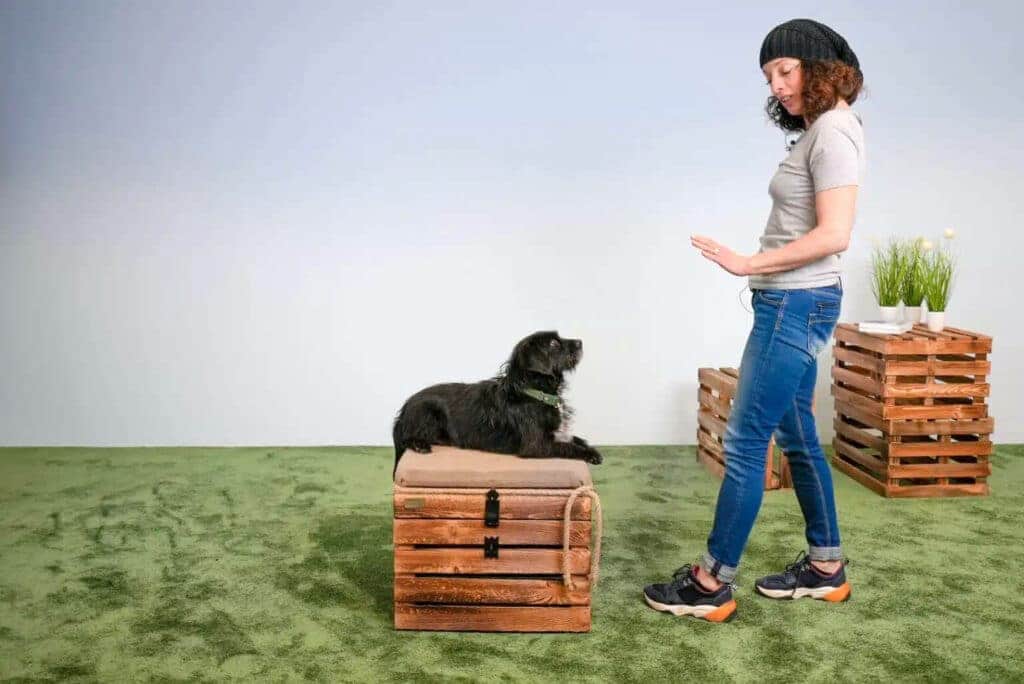
We've put together tips and tricks that'll support your ongoing practice.
1. Reward Small Wins Early
Don't hold off on rewards. Celebrate even the tiniest successes.
From the very first training attempt, reward every small victory. A treat, a pat on the head, it all counts.
2. Work Impulse Control into Daily Life
Impulse control isn't just for training sessions. Weave it into your everyday routine so your dog learns to stay calm in all situations.
Great moments to practice:
- Feeding time
- Leash on, leash off
- Opening the front door
- Meeting other dogs or people
- Right before getting a reward
- Opening the car door, balcony, or patio door
3. Keep It Stress-Free
Training should always happen in a relaxed, pressure-free environment. Accept upfront that this takes patience and time. Stress and impatience will set you back.
4. Never Punish or Act Aggressively
Punishment and aggression torpedo your training progress. Full stop.
Verbal, emotional, or physical punishment has no place in dog training. Ever.
What Does Impulse Control Mean for Dogs?
Impulse control teaches your dog to manage themselves, no more running around wildly or jumping on strangers. It applies to every situation in your dog's daily life.
Can Every Dog Learn Impulse Control?
Yes. With enough patience and consistent training, every dog can learn to control their impulses. The earlier you start, the faster you'll see results.
How Do I Teach My Dog Impulse Control?
Start by teaching "sit" and then gradually extend how long they hold it. Once your dog can stay seated despite distractions, you can transfer that self-control to other situations. Read the full article above for the step-by-step breakdown.
What Are the Benefits of Impulse Control for Dogs?
Especially with high-energy dogs, stressful moments pop up constantly, clipping on the leash, passing other dogs, dealing with traffic. Impulse control means your dog stays calm instead of spiraling, making those situations way more manageable.
What Should I Do If My Dog Won't Stay Seated?
Create a calm, stress-free atmosphere and praise every small win. Be very patient and keep your training steps tiny, you don't want to overwhelm your dog.
My Conclusion
Impulse control can transform life with your dog. Countless dog owners have used these techniques and seen incredible results. With solid impulse control, you'll have a dog you can actually manage, and everyone around you benefits too. Follow the steps, tips, and tricks in this guide and you'll see progress fast. Want to go deeper? Check out our app and take the full impulse control course.
Did you pay attention?
Question 1 of 3What is impulse control in dogs?