You hear warnings all the time about poisoned bait and dangerous items left on popular walking routes. But they show up in ordinary neighborhoods too. Unfortunately, some people deliberately target our dogs.

+
Key Takeaways
The suffering they cause to owners, dogs, and even wildlife is hard to fathom. So how do you protect your dog? The best way is with dedicated "leave it" training!
That's why we put together this simple guide on teaching your dog not to pick up anything from the ground without your permission.
"Leave it" training teaches your dog not to pick up unknown or potentially dangerous stuff found on walks or around your environment.
It's especially important in areas where people are known to leave poisoned bait. But it's a useful skill for any dog, period. It dramatically lowers the chance of accidental poisoning.
A typical training program includes these elements:
Consistency and patience are key. Some dogs pick this up faster than others. Always put your dog's safety and well-being first. If you need extra help, a professional dog trainer can make a big difference.
The most common spots are busy dog parks and off-leash areas. But public spaces aren't the only concern.
Private properties get hit too. Neighborly disputes sometimes escalate to dangerous levels. Some people place hazardous items at the edges of their property, hoping passing dogs will grab them.
Farmers dealing with dog waste on their fields sometimes resort to desperate — and unforgivable — measures.
Playgrounds are frequently targeted as well, which can have serious consequences for small children. Public parks are common targets too. Wildlife like hedgehogs and other small animals also fall victim to these senseless acts.
The main reason is obvious: You want to keep your dog from eating dangerous items!
Sure, you could use a special muzzle to protect your dog. But that limits their freedom. And some food-motivated dogs still manage to grab things off the ground even with a muzzle on.
When poisoning reports spike in urban areas, protective muzzles sell out fast at local stores. You can order online, but high demand often means longer delivery times.
For many dogs and owners, a muzzle just isn't a long-term solution.
It's not just deliberately placed bait you need to worry about, either. In cities and along busy roads, you'll find food scraps that people carelessly toss on the ground.
Chocolate, heavily spiced fast food, or even vomit can attract dogs like a magnet. The problem? These foods can be absolutely toxic and land you with an expensive vet bill.
Puppies aren't the only ones who need this training. Older dogs that have changed owners or come from shelters should learn it too.
With rescue dogs it's tougher, especially former strays that survived by eating whatever they found on the street. But time and consistent training can fix almost anything.
Has your dog eaten something outside? Watch for symptoms.
But if you want to play food-based games outdoors — like scent games or retrieval games — teach your dog that it may only pick things up with your permission (more on this in step 5). Otherwise, confusion kicks in. Your dog won't understand why treats you toss are fair game but the sandwich on the street corner isn't. Scent and retrieval games are great for high-energy dogs or dogs with strong drives. They provide mental stimulation outdoors and can even redirect attention away from wildlife.
Start simple — a piece of hot dog works well. Then gradually work your way up to liver treats, ham, bacon, cheese, ground meat, or cooked chicken. These are also the most common bait bases used in poisoned items.
At the same time, keep a reward ready — a squeeze tube of dog-safe paste or high-value treats. Pick something your dog absolutely loves and rarely gets. Smelly, moist treats work great.
Some trainers use the same food as both bait and reward, which can produce good results. In large quantities, though, it isn't healthy. You can also alternate between bait material and high-value treats, combining both approaches so your dog loves the training!
If the bait is on the left side of the path, keep your dog on your right. Stay far enough away that your dog doesn't notice the lure at all. Having a second person help place the bait is ideal.
Now it's go time.
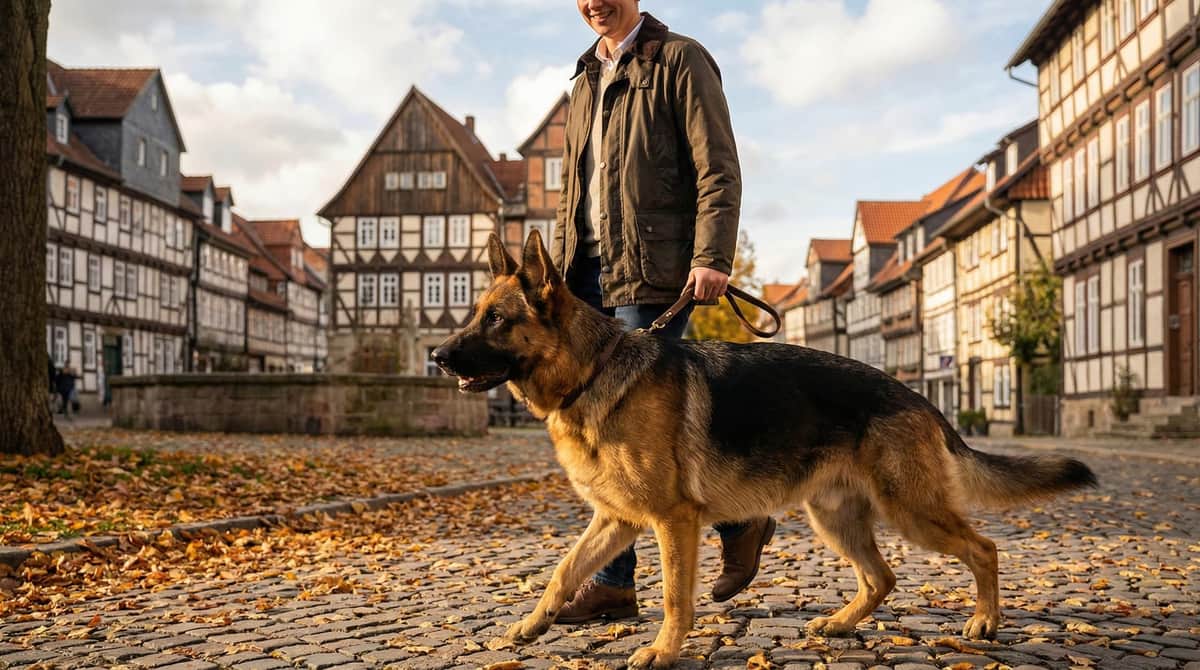
Keep your dog close to your side, attach the leash to the collar, and walk toward the bait. Your dog should approach it in a straight line.
The moment your dog notices the bait and zeros in on it, step in and gently but firmly nudge them sideways with the foot closest to them. Add a verbal cue like "leave it" or a simple "no." Say it with firm determination — dogs respond better to clear communication. Then be friendly and give a little praise when they've successfully passed the bait.
Repeat this several times until your dog independently makes a wide arc around the bait for the first time. When that happens, praise generously and give a reward. If it's getting tough for your dog, throw in an occasional reward even when you guided the arc. This keeps motivation high and makes them more willing to learn. Important: Keep moving. Don't stop. Walk past the bait and show your dog that the food on the ground means nothing.
Once your dog has developed solid self-control, place food directly on plastic wrap on the ground for the ultimate test. No white paper plate marking the no-go zone this time.
Important: When you run into temptations on regular walks — a banana peel, a half-eaten sandwich — use them as training opportunities! Walk past the item several times, back and forth, until your dog arcs around it on their own. Build this into your regular walks long-term, and eventually your dog won't pick up anything from the ground. You'll be practicing the training and staying safe at the same time.
Once your dog automatically makes the arc, you can give a "sit" command right at the moment they start to arc away.
Then remove the bait. Bag it up or toss it in a trash can.
Bottom line: your dog should understand that whatever was lying there is not for them. And never give the training bait from the ground — not even after training or for dinner!
Find more exercises in our app: Train with your dog using step-by-step video tutorials.
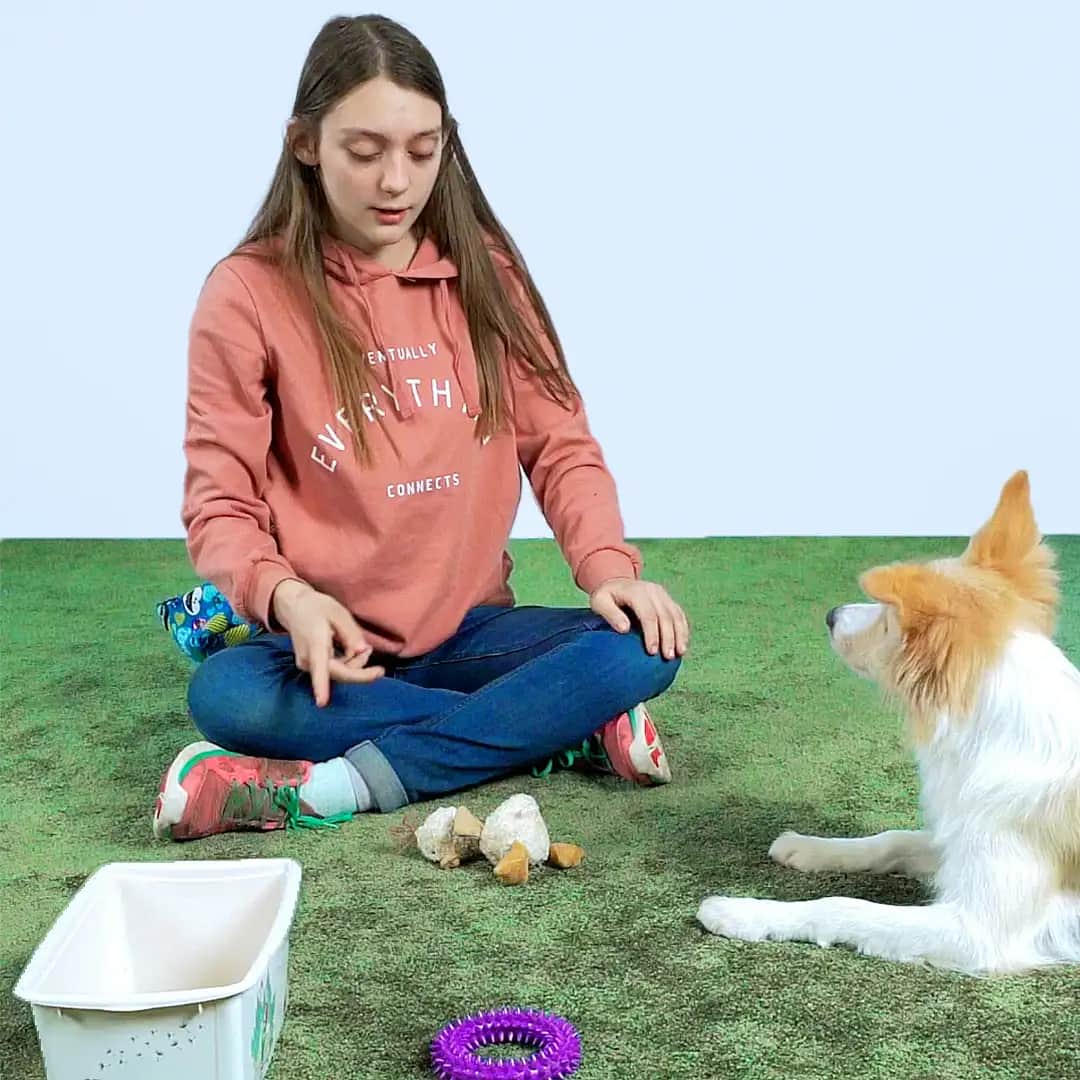
For any food-based game, your dog should first sit and wait until you've placed the food. This teaches them from the start that they can't just bolt. Only place food where you're sure nothing else is lying around (check the spots first).
Let your dog search only on command — never without your go-ahead. Practice this by placing treats near areas where your dog isn't allowed to search because they haven't gotten a search command from you.
For hunting breeds with a strong prey drive, things get trickier.
Early in training — say, to manage prey drive — it can make sense to toss a very tasty treat. The dog eats it off the ground without needing a release command.
The reason? Part of the chase thrill is running after something that moves (in this case, the treat). This redirects your dog away from the actual prey (the animal they spotted).
Long-term, though, you'll want to focus more on impulse control. Independently chasing fast-moving objects should generally be prevented — though it can be allowed on command.
An example: You throw the ball. The dog must wait in a sit until the ball has landed and is sitting still on the ground. Then the dog lies down, gives a paw, performs a command. Then it makes eye contact with you. Only then do you give the release command, and the dog gets to fetch the ball. This teaches your dog not to mindlessly chase everything that moves.
What if my dog eats some of the bait? No big deal! Nobody's perfect. Next time, be quicker — pull your dog away from the bait in time and redirect them into the arc.
About 3 times per week for 10-20 minutes does the trick, depending on your dog's stamina and skill level. Training should always be fun. Your dog should participate willingly and enthusiastically — never feel forced. Breaks matter too, so your dog can properly process what they've learned.
Yes, you should toss the food on the plates afterward. Pro tip: Use only a small amount, keep the rest in the fridge, and cook something tasty with it later. The portion just needs to be big enough for your dog to notice and find appealing. For food-motivated dogs, even a tiny amount does the trick — regardless of size.
Split your dog's food into several portions, especially if they're a bottomless pit. Before the first walk, give them about a third or half of their daily ration. This takes the edge off the urge to eat things off the ground, and your training will go smoother. For dogs with a strong prey drive, the urge to chase also drops — they've already "caught prey" that day. High-energy dogs tend to settle down too.
Poisoned bait and dangerous items are horrific and cause immense suffering. The best thing you can do is prepare yourself and your dog through proper training.
One thing that drives some people to leave dangerous items? Dog waste left behind by irresponsible owners. Unattended dog waste isn't just annoying for non-dog owners — it can also spread diseases to other dogs.
If you see someone leaving their dog's waste behind, politely point it out. Maybe offer them a bag so they can clean up on the spot. Every small act of responsibility helps keep our communities safe for everyone.
What Is "Leave It" Training?
5 Steps to Proper "Leave It" Training
Conclusion