
Key Takeaways
- What is food aggression? Dogs guard their food out of instinct, insecurity, or past trauma. They protect what they see as a survival resource.
- Causes: Survival instinct, negative past experiences, competition with other dogs, unpredictable access to food.
- Mistakes to avoid: Taking food away, feeding from a shared bowl, and ignoring your dog's history all fuel food aggression.
- Solutions: A calm feeding space, a consistent routine, hand-feeding, positive reinforcement, and professional help for serious cases.
Does your dog growl the second you get near their food bowl? Here you'll learn how to prevent food aggression from the start, and what to do if your dog is already guarding their meals like their life depends on it.
Food aggression shows up in puppies and adult dogs alike. Fear and insecurity are almost always behind it.
What Is Food Aggression in Dogs?
Picture this: you're about to dig into a slice of cake, and someone reaches over and tries to grab it. You'd react fast, right? Dogs go through the exact same thing, and it's called food aggression. When a dog sees their food or a toy as high-value and refuses to let anyone near it, they may growl, snap, or lunge. The message is clear: "This is mine. Back off!"
Sometimes it happens because the dog went hungry in the past or had bad experiences. Other times, it's just part of who they are. Here's what matters: dogs showing food aggression aren't "mean" or "greedy." It's a form of communication. If your dog does this, respond with patience and understanding, and consider working with a professional trainer to get to the root of it.
Why Do Dogs Guard Their Food?
Dogs guard their food for all kinds of reasons, most of them tied to instinct and survival:
- Survival instinct: In the wild, losing your food means starving. Even though our pets live comfortably indoors, that deep-wired drive to protect resources still runs strong.
- Unpredictable food access: Dogs that used to go hungry, strays, rescues, dogs from rough backgrounds, often guard food fiercely because they don't trust that the next meal is coming.
- Competition: In a multi-pet household, a dog may feel they have to fight for their share. That pressure triggers guarding behavior.
- Personal space: Some dogs are naturally more possessive. They guard not just food and toys, sleeping spots, and even people.
- Past negative experiences: A dog that got disturbed while eating or had food snatched away learns to guard harder next time.
- Health issues: In rare cases, pain or discomfort, especially around the mouth, can make a dog more aggressive or defensive at mealtime. A dog guarding their food isn't "vicious" or "dominant." Most of the time, they're following instinct or reacting to what happened to them before.
A compassionate, patient approach is the key to helping a dog feel less possessive and less anxious around food.
Why Is My Dog Showing Food Aggression?
Short answer: Your dog is protecting their resources. This behavior usually comes down to feeding mistakes. Your dog sees you walking toward their bowl, their chew bone, or their treat, and panics.
They're afraid you'll take their food. That's the exact association you need to flip. Your dog has to learn that you don't take things away, you bring something even better. Once that clicks, the food aggression fades. But it takes practice. Put in the time.
Above all: Stay patient and kind. You'll get there.
How Does Food Aggression Develop?
Food aggression can spring from many sources. Here are the most common:

- Early experiences: A puppy that grows up in a big litter and has to fight for food learns to guard early.
- Lack of resources: A dog that wasn't fed regularly or got too little food may develop food aggression because they're afraid the next meal won't come.
- Household changes: A new dog or pet entering the home creates sudden competition, and that can trigger guarding in the resident dog.
- Temperament: Some dogs are naturally more possessive or insecure. They're more prone to food aggression from the start.
- Poor socialization: Dogs that missed out on proper socialization, or had bad food-related experiences with other dogs, are more likely to guard.
- Accidental reinforcement: Every time a dog growls and people or other dogs back off, the dog learns that aggression works. You're rewarding the exact behavior you don't want.
- Sudden food upgrades: When a dog gets an especially tasty or unfamiliar food, they may become extra possessive of it. Prevention starts early. If you have a puppy, get them comfortable with you approaching while they eat. Touch their food while handing them treats.
This teaches them that humans near their food mean good things, not bad. It also helps to teach a "wait" command before meals and to keep feeding times consistent. For severe cases, bring in a professional dog trainer or behavior specialist.
Food aggression often takes root in puppyhood. Feeding mistakes are usually the cause.
Mistake 1: Shared Feeding From One Bowl
Some breeders let the entire litter eat from one communal bowl. Others feed puppies right next to each other. It looks adorable, but it means no dog gets to eat in peace. Every puppy is competing against their siblings. Out of fear they won't get enough, they wolf down food as fast as possible. This can cause digestive problems like bloating.
Mistake 2: Taking Food Away
Another big mistake: taking food away from your puppy. This usually comes from the outdated myth that you need to show you're the "alpha" by asserting dominance over food. That's flat-out wrong. In a pack, every dog, regardless of rank, defends their food.
When you take food away, your dog feels watched and unsafe. They start expecting to lose their meal at any moment. Trust? Gone.
Most dogs react in one of three ways:
- Gulping: They inhale food as fast as they can before you get to it.
- Fear: Some dogs won't even approach the bowl anymore.
- Aggression: Others bare teeth, growl, or snap to keep you away. This kicks off a dangerous chain reaction. First, your dog defends the food itself. Then they start guarding the empty bowl.
Next, the entire feeding area becomes a no-go zone. Then the whole room. Eventually, your dog feels they need to protect themselves from you, the unpredictable owner. You can see how fast this spirals. Don't let it get there.
Mistake 3: Ignoring Your Dog's Past
Maybe you adopted a puppy or an adult dog from a shelter. That's amazing, giving a dog with a rough past a loving home! But dogs with a hard history have often gone hungry. If your dog went through that, they may now guard resources with extra intensity.
Make sure they get enough high-quality food that fits their age, activity level, breed, and health needs.
11 Tips to Fix Food Aggression
The best scenario? Food aggression never develops in the first place. But even if your dog already guards their meals, you can turn the behavior around.

#1. Create a Safe Environment
Set up a calm feeding space. Feed your dog in a quiet spot where they can relax without feeling the need to defend their meal. No commotion, no noise, no one walking past. Let them eat alone and undisturbed.
#2. Establish a Routine
Dogs thrive on routine. Feed your dog at the same time, in the same place, every single day. This builds security and the confidence that food always shows up.
- Set fixed feeding times: For most dogs, mealtime is the best part of the day. A consistent schedule gives them structure. They learn that food reliably appears in the bowl at a predictable time.
- Always feed in the same spot: Pick a separate room or a designated corner. Dogs are creatures of habit. When they have their own feeding spot, they feel safe and relaxed, and they learn to trust that you've got their meals covered.
If you have multiple dogs, feed them separately. Use different rooms or keep enough distance between them. No dog should have to compete for food.
#3. Training + Food Dummy
Practice commands like "sit" or "wait" before mealtime. This builds impulse control and teaches patience.
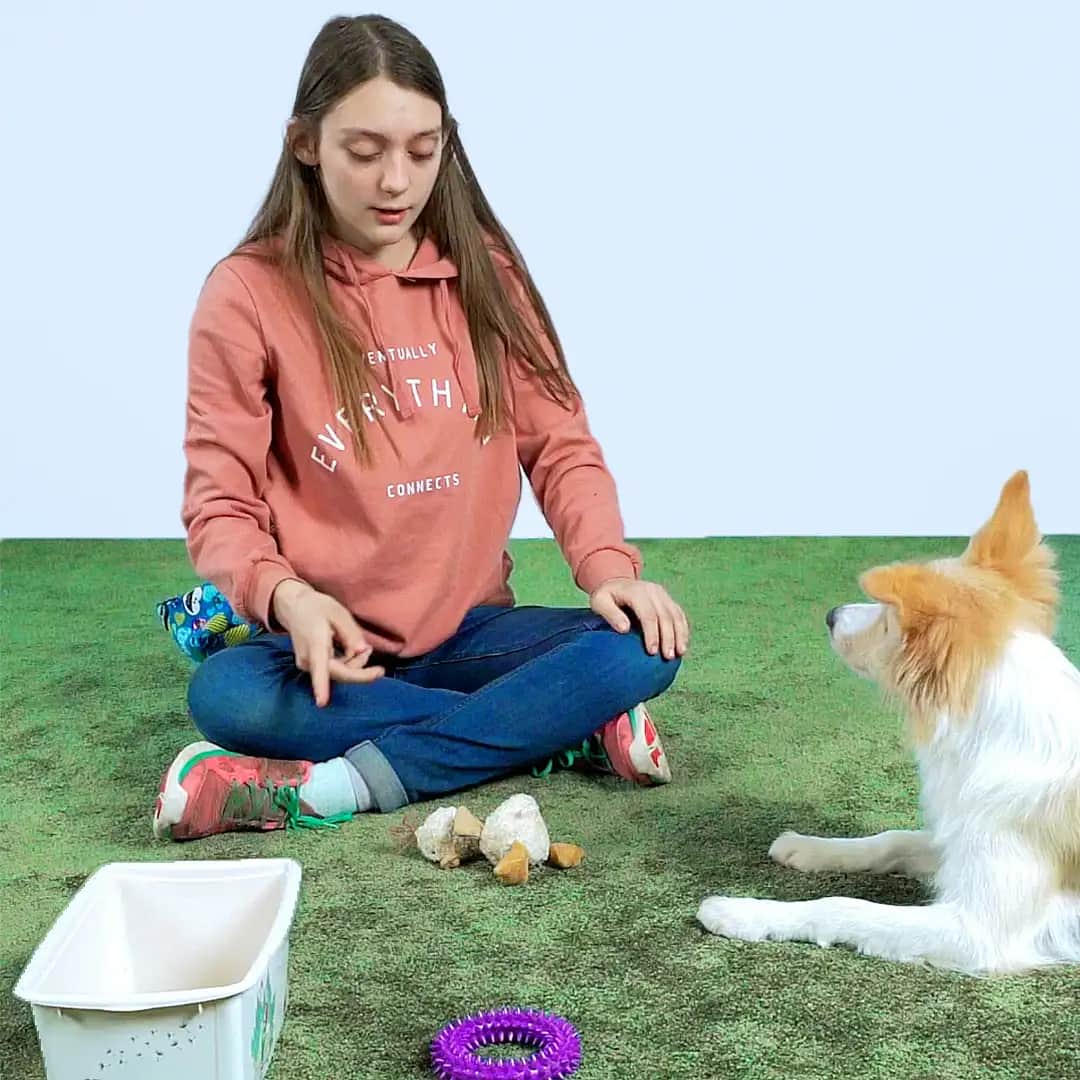
A food dummy is one of the fastest ways to build trust. Fill it with treats. On your walk, toss it and let your dog chase it down and bring it back. Use the command "bring it."
Once your dog nails the retrieve, let them take a treat from the dummy while you hold it steady.
#4. Add Food to the Bowl During Meals
Once your dog trusts that you'll always give them enough, food aggression disappears. You can actively build that trust.

Here's how:
- Start with half the usual portion in the bowl.
- Keep adding food while your dog is already eating.
Your dog stops fearing you'll take something away. Instead, they start expecting you to add something delicious. That builds trust, and strengthens your bond.
#5. Be the One Who Feeds + Hand Feeding
At the start, one person should handle all feeding. If you can't do it yourself, pick another adult in the household and keep it consistent.
Hand feeding is a trust accelerator. Feed your dog from your hand now and then. It teaches them that you're not a threat to their food, you're the source of it.
#6. Keep Small Children and Other Pets Away During Meals
Dogs with food aggression can bite when they feel threatened. Small kids are loud, fast, unpredictable, and they might reach right into the bowl.
Your dog sees them as competitors for their most important resource. They panic and react aggressively. Simple fix: keep children and other pets out of the room while your dog eats. It only takes a few minutes for the bowl to be empty anyway.
#7. Positive Reinforcement
When you approach your dog while they're eating and they stay calm, reward them with praise or a treat. Over time, they start associating your presence with good things.
#8. Practice With Other People
Your dog is cool with you near the food bowl? They expect you to bring something even better? Awesome. Now do the same thing with other people. Brief them first and give clear instructions. The goal: every time a person approaches the bowl, something delicious shows up. If your dog has plain kibble, drop in a spoonful of their favorite food. Or a piece of raw meat.
Once every family member has practiced, bring in someone your dog doesn't know.
#9. Don't Push It
If your dog growls or gets aggressive, do not try to take the food away. That only makes things worse. Instead, back off and focus on earning trust gradually over time.
#10. Don't Take Away Resources
Never snatch toys or bones without offering something in return. When you always swap instead of steal, your dog stops feeling the need to defend everything they have.
#11. Get Professional Help
If the problem is severe or isn't improving, bring in a professional dog trainer or animal behaviorist. Some deeply rooted issues need specialized knowledge and hands-on techniques.
With patience and consistent training, most dogs can learn to be relaxed and trusting around their food.
Feeding Multiple Dogs the Right Way
Got more than one dog? You need to make sure each one eats in a balanced, stress-free way. Here's how:
Separate Feeding Stations
Give each dog their own spot, far enough from the others. Different corners of the room, different rooms, or separate crates all work.
Simultaneous Feeding
Feed all dogs at the same time so no one gets jealous or tries to raid another bowl.
Correct Portions
Each dog needs the right amount for their age, size, and activity level. Not sure? Ask your vet or check the food packaging.
Observe
Stay nearby while they eat, at least until you're confident there's no conflict or guarding. That way you can step in immediately if things get tense.
No Treats or Extras During Feeding
Skip the treats while dogs are eating, unless every dog gets the same thing at the same time. This avoids jealousy and conflict.
Resource Guarding Awareness
If one dog tends to guard, keep a close eye and make sure the others stay at a safe distance.
Remove Leftovers Immediately
Once everyone is done, pick up any leftover food. Don't leave it sitting there for another dog to steal.
Individual Feeding for Special Needs
If a dog needs a special diet or medication, feed them separately and in peace to make sure they get exactly what they need.
Maintain Routines
Dogs love routines, they feel safer and more relaxed. Feed at the same time, in the same way, every day.
Positive Reinforcement
When your dogs eat calmly side by side, praise them. Over time, they learn that good mealtime behavior earns rewards. Feeding multiple dogs takes some effort up front, but with patience, observation, and consistency, it quickly becomes routine. The goal: every dog gets what they need without stress or conflict.
When a Dog Bites Another Dog Over Food, What Now?

When a dog bites another dog over food, it's not just a coexistence problem, it's dangerous. Here's how to address it and keep everyone safe: First, feed the aggressive dog separately. Different room, different area, or enough distance between bowls. This removes the immediate bite risk.
Strengthen your obedience commands, especially "no," "leave it," and "sit." These give you control when resource guarding flares up. If you spot early signs of aggression or guarding, redirect your dog's attention with a toy or a different activity.
Always reward calm, relaxed behavior, especially around food or other high-value resources. With an experienced trainer's guidance, you can slowly reintroduce your dog to eating near other dogs. The focus: positive experiences only, zero negative encounters.
Learn to read the warning signs: hard staring, raised hackles, growling, speed-eating. Catch these early and you can intervene before it escalates. A professional dog trainer or behaviorist brings serious value here. They can help your dog change their behavior and teach you the best strategies for managing the situation.
Sometimes aggression has a medical root. A vet visit can rule out pain or health issues driving the behavior. Be patient, stay consistent, and don't ignore the problem. With the right approach and support, you can improve your dog's behavior and restore peace in the household.
Can Food Aggression Lead to Bigger Problems?
Absolutely. Food aggression creates a ripple effect, for your dog, for other animals, and for the people around them. Here's what can go wrong:
- Aggression toward other animals: A food-aggressive dog may attack any dog or animal they see as a threat to their food. That means bites and injuries.
- Aggression toward people: In some cases, dogs will go after people who approach their food or try to take it away.
- Chronic stress: Food aggression keeps your dog in a constant state of tension and high alert around mealtimes. That's exhausting for them.
- Household tension: A food-aggressive dog makes multi-pet living seriously difficult.
- Health problems: Dogs that eat too fast due to food aggression can develop digestive issues. Speed-eating can also lead to gastric torsion (bloat), a life-threatening emergency.
- Limited socialization: A food-aggressive dog struggles in social settings like dog parks or playdates because they're always on guard.
- Damaged bond with you: Food aggression strains the owner-dog relationship, especially if you don't know how to handle it, or resort to punishment to "fix" it. Catch food aggression early and address it properly to avoid these problems spiraling.
With the right approach, and professional help if needed, food aggression can often be reduced or completely resolved.
How long does it take? That depends on your dog's age. A puppy picks it up fast, usually within a few days. An older dog with years of bad conditioning needs significantly more time. Expect weeks or even months.
The key: Give your dog repeated positive experiences. Show them you're not taking food away, you're adding to it. And make sure what you bring is a clear upgrade.
Conclusion
Food aggression almost always comes down to bad conditioning, and it usually starts in puppyhood. The good news: with love and patience, you can change your dog's behavior for good. Practice regularly and focus on building trust. Show your dog that you don't take things away, you bring something even better.
These same tips work when your dog guards toys, bones, or anything else they consider "theirs."
Did you pay attention?
Question 1 of 3What is the most common mistake with food aggression?