
Puppies need 2 to 3 short play sessions of 5 to 10 minutes each per day. Longer sessions overwhelm them. The games train body and mind at the same time: sniffing games build concentration, tug-of-war strengthens the muscles, thinking games challenge problem solving. One thing to keep in mind: puppies under 6 months still have growing joints. Jumps, abrupt changes of direction and climbing stairs are off-limits.
- 5 to 10 minutes per play session, 2 to 3 sessions a day
- 5 types of game: tug-of-war, sniffing game, thinking game, fetch, body play
- Put toys away between sessions (keeps motivation high)
- No games with jumps or abrupt stops for puppies under 6 months
- Aggressive behavior (growling, frantic snapping) = end the game immediately
- No toys with small parts that can be swallowed
1. Tug-of-War

What you need: A tug rope or a plush toy with a rope.
How it works: Hold the tug rope in front of your puppy and encourage him to grab it. Let him win every now and then, that builds his confidence. Throw in a short "Drop it" here and there and reward him when he lets go. That way you teach an important command at the same time.
Rules: If the puppy starts snapping at your hands instead of the toy, stop the game right away. This is where bite inhibition training comes in. Take a 10-second break, then start over. If he gets too worked up overall (frantic growling, snapping), end the game completely for 30 seconds.
Suitable for indoors and outdoors.
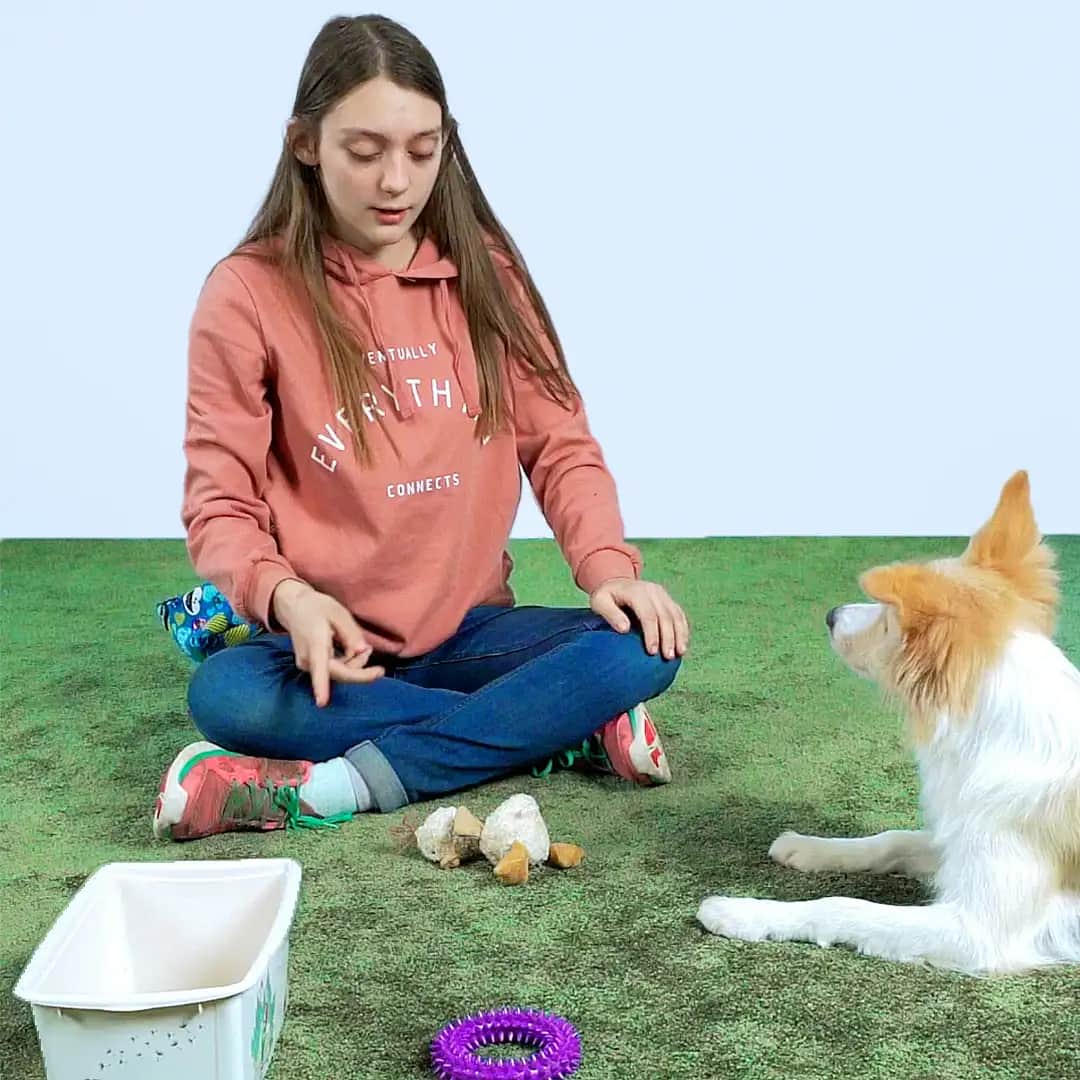
2. Sniffing Game
What you need: Treats, optionally a snuffle mat.
How it works: Hide 5 to 8 small treats around the room or in the garden. At first out in the open, later under cloths, behind chair legs or in boxes. Say "Find it!" and let your puppy track down the treats. Praise him with every find.
Make it harder: Hide the treats at different heights (on the sofa, under a cushion). Or use a snuffle mat, where the puppy has to work the reward out of the fabric strips.
Ideal for indoors. Sniffing games are especially good on rainy days or when the puppy hasn't settled down yet after a walk. 10 minutes of nose work tire a puppy out more than a 30-minute walk.
3. Thinking Game

What you need: A puzzle toy, a dog puzzle or an improvised version (a muffin tin with tennis balls, a plastic cup over a treat).
How it works: Show your puppy that there's a treat under the cup or inside the puzzle. Let him figure out how to get to it himself. Don't help as long as he's still trying. When he manages it, praise him right away.
Make it harder: Use tougher puzzles or several steps in a row (first lift a lid, then slide a panel). Only raise one difficulty level at a time.
Ideal for indoors. Thinking games are especially good for puppies who shouldn't be physically active at the moment (after a vaccination, in hot weather).
4. Fetch
What you need: A soft toy or ball in the right size (too small = choking hazard).
How it works: Throw the toy 2 to 3 meters. When your puppy picks it up, call him over to you and trade it for a treat. That way he learns: bringing it back pays off. If he runs off with the toy, don't chase him (that turns into a chasing game). Instead, crouch down and lure him in.
Rules: With puppies under 6 months, only short distances (2 to 5 meters), no throwing downhill or on slippery floors. A maximum of 5 throws per session, then a break.
Suitable for indoors and outdoors (indoors on a soft surface).
5. Body Play

What you need: Nothing.
How it works: Gentle wrestling and nudging with your hands while the puppy lies or stands on the floor. Let him "win" sometimes too (stand on your hand, push you away). Take short breaks in between where the puppy has to calm down.
Rules: Your hands always stay on the puppy's body (chest, flanks), never on the head or muzzle. As soon as the puppy starts biting your hands on purpose: pull your hand back, say a quick "Ow!", take a 10-second break. If he gets too wild overall, end the game and offer him a calm chewing activity.
Suitable for indoors and outdoors.
Rules of Play for Puppies
Short sessions. 5 to 10 minutes, then a break. An overtired puppy gets jittery and bites more. Three short sessions a day are better than one long one.
Put toys away. Between play times, keep the toys out of reach. A toy that's always available gets boring. The exception: a chew toy that's allowed to be accessible at all times.
Don't tolerate aggressive behavior. Growling during play is normal. But if the puppy starts snapping deliberately, opening his eyes wide or stiffening up: end the game immediately. Don't punish him, just stop.
Variety. Don't play the same game every day. Switch between head work (sniffing, thinking) and body work (tugging, fetch).
Were you paying attention?
Question 1 of 3How long should a play session with a puppy last?
The exercises in this article are an excerpt from the Hundeo course "Puppy Training." With Hundeo Pro you'll find all the lessons as video guides with a step-by-step build-up, plus training tracking and, when problems come up, personal help from real trainers.