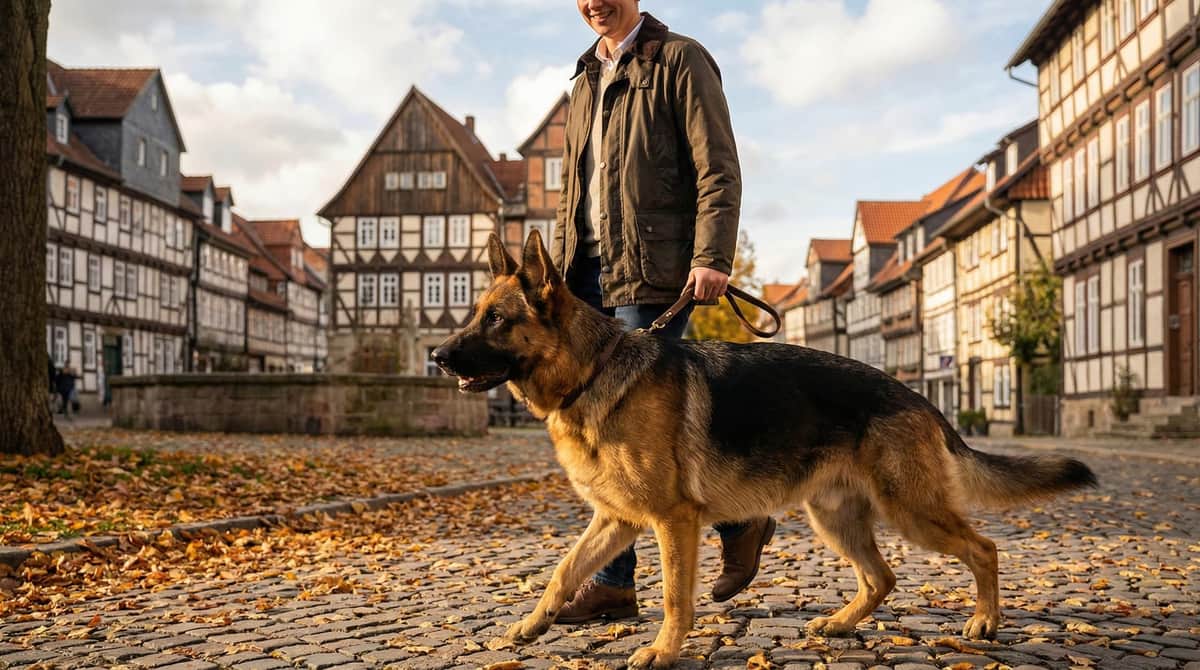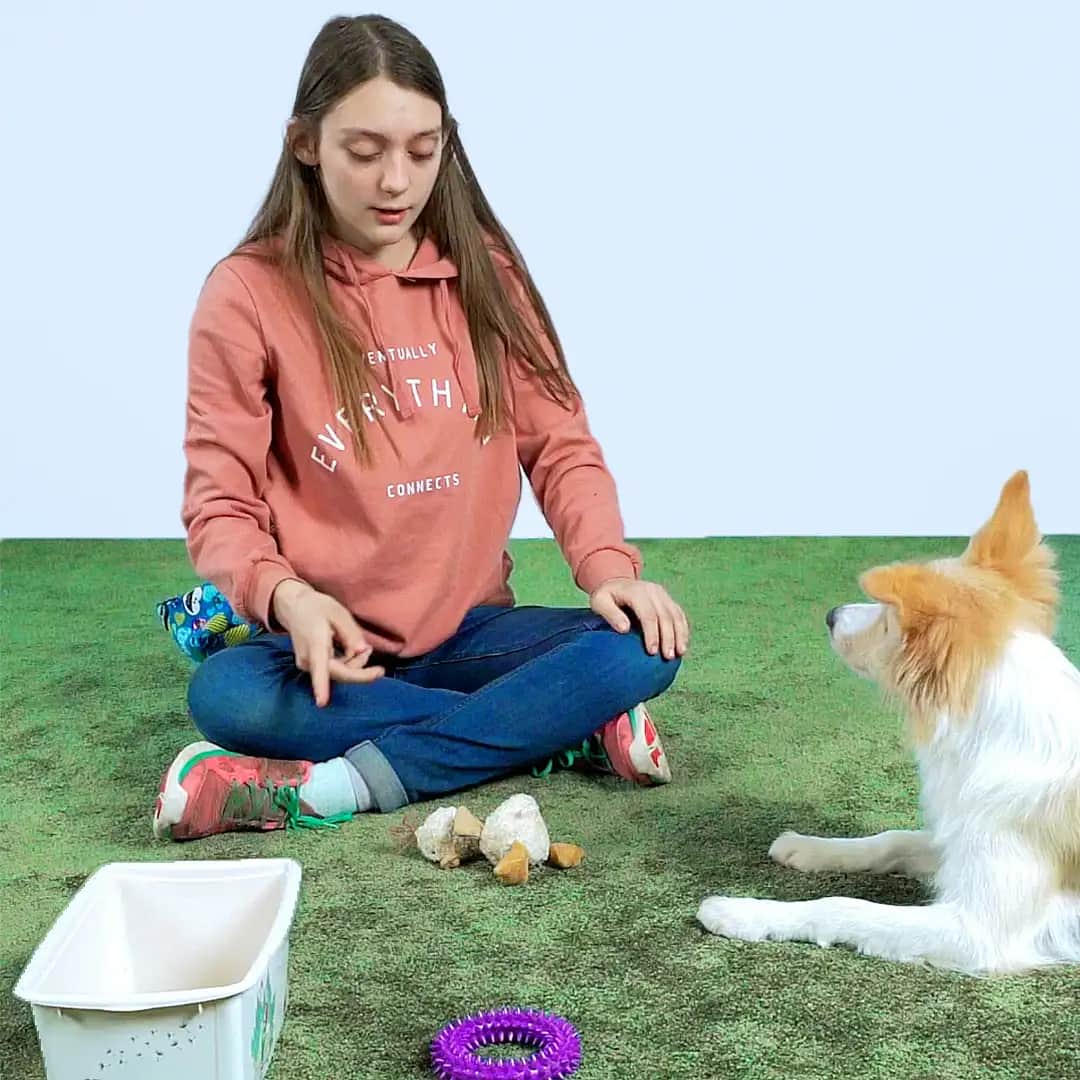

Most puppies become reliably housetrained by 4 to 6 months. The key is a steady routine: out every 2 hours, and outside right away after every nap, meal and play session. If you learn to recognize your puppy's warning signals and reward consistently, you prevent most accidents from the very start.
- Out every 2 hours, plus after sleeping, eating and playing
- Always bring him to the same spot and reward success right away
- Rule of thumb for bladder control: age in months + 1 = hours
- Warning signals: sniffing, circling, heading to the door
- Clean up accidents without comment, never scold after the fact
- At night: puppy in a crate next to the bed, will let you know when needed
Routine and timeline

Puppies can only consciously control their bladder from the 4th month of life. Before that, accidents are not training mistakes but biology. The rule of thumb: a puppy can hold his bladder for roughly as many hours as his age in months plus one. So an 8-week-old puppy can manage about 3 hours.
The timeline for the first weeks:
- Outside every 2 hours
- Right after waking up
- 10 to 15 minutes after every meal
- After every play session
- Before bedtime
Bring your puppy to the same spot every time. Always the same route, always the same area. This creates a clear association: this place = the toilet. When he relieves himself there, praise him calmly right away. No over-the-top cheering, but a clear "Good" and a treat within 2 seconds.
Optional: introduce a cue word (e.g. "Go potty") that you say every time he relieves himself. After a few weeks he understands the word and goes on cue. Handy before car rides or when he has to stay home alone.
Recognizing the signals
Your puppy shows you when he has to go. Learn these signals and react right away:
- Becoming restless, sniffing the floor
- Circling in place
- Heading to the door or looking toward the exit
- Moving away from his sleeping or feeding spot
- Suddenly stopping play
There are often only seconds between the signal and the moment he goes. Keep your jacket and shoes within reach during the first weeks. If you react too slowly, you miss the window. In the first few days you can carry your puppy outside; later you can take him out on the leash.
Becoming housetrained at night

Nighttime is the biggest challenge. A crate next to your bed solves the problem: dogs avoid soiling their sleeping spot. When your puppy gets restless and whines, take him out. No long talking, no light, no playing. Out, let him go, praise calmly, back into the crate.
At 8 weeks you will have to get up 1 to 2 times per night. At 12 weeks most puppies can manage a night of 6 hours. From the 4th month most sleep through.
The crate needs to be big enough for your puppy to turn around and stretch out, but not so big that he can use one corner as a toilet.
Handling accidents the right way
Accidents happen. In the first weeks they are unavoidable. How you react decides how things go from here.
What you should do: Clean up without comment. Use an enzyme cleaner instead of a regular cleaning product, so no smell remains that lures your puppy back to the same spot. Then watch the signals more closely next time.
What you should not do: Scold, push the nose into it, punish. Your puppy cannot connect the pee from 5 minutes ago with your anger now. All he understands is: my human is angry for no apparent reason. That creates insecurity and slows training down. In the worst case he learns to relieve himself in secret.
Setbacks and special cases
Setbacks during puberty. From the 6th month some dogs test boundaries. A housetrained puppy suddenly goes inside again. Back to the beginning: tighter routine, more attention, reward consistently.
Adult dog not housetrained. Same principle as with a puppy, but more patience. A steady schedule, always the same spot, reward success, ignore accidents. With dogs from a shelter it can take weeks, because they often don't know a regular routine.
Medical causes. If a housetrained dog suddenly starts going inside again: see the vet. Bladder infections, urinary tract infections or gastrointestinal problems are common causes. Only once medical reasons are ruled out should you work on the behavior.
In-depth article: Dog pees inside the house
Your training plan
0/8Were you paying attention?
Question 1 of 3How long can an 8-week-old puppy hold his bladder?
The exercises in this article are an excerpt from the Hundeo course "Housetraining." At Hundeo Pro you'll find all the lessons as video tutorials with step-by-step structure, plus training tracking and personal help from real trainers when problems come up.