
Key Takeaways
- Fetching as a meaningful activity: Builds physical fitness, sharpens mental agility, and strengthens the bond between you and your dog.
- The right equipment: A retrieve toy, high-value rewards, and a long leash go a long way.
- Training in 5 steps: From introducing the toy all the way to fetching over longer distances.
- Motivation and rewards: Positive reinforcement and varied exercises keep your dog eager to play.
- Overcoming challenges: Patience and the right technique solve common issues like disinterest or distraction. ## Why Fetch Is a Great Activity Fetch is more than a simple game of throw and retrieve. It taps into your dog's natural instincts and gives them a meaningful job to do.
Fetch boosts your dog's fitness, sharpens their focus, and burns off excess energy so boredom never stands a chance.
Beyond the practical perks, fetch is a fantastic way to have fun and deepen your bond. You both get a shared activity that builds trust and mutual understanding.
Most dogs love fetch, and all you need is the right toy. It fits naturally into your walks and challenges your dog both mentally and physically.
Most dogs have a strong retrieving drive, which makes fetch one of the best ways to keep them exercised and engaged. Once you nail the basics, the playful back-and-forth will be a blast for both of you.
What Does "Fetch" Actually Mean?
At its core, "fetch" simply means going to get something and bringing it back. Hunters call it "retrieving" when a dog brings back game.
Your dog can learn to bring you all sorts of objects, sticks, frisbees, dummies, food pouches, you name it. The object your dog retrieves is called a "retrieve item" or "dummy."
Fetch is a fundamental skill that goes far beyond a simple game. It gives your dog tons of benefits and strengthens your relationship:
- Physical exercise: Fetch is one of the best ways to keep your dog fit and active.
- Mental stimulation: Planning and executing each retrieve keeps your dog's brain sharp.
- Instinctive satisfaction: Many dogs have a natural urge to chase and retrieve. Fetch channels those instincts in a healthy, controlled way.
- Bonding: Playing fetch together builds trust and teamwork between you and your dog.
- Full-body workout: Fetch trains endurance, speed, and agility all at once.
- Healthy weight management: Regular fetch sessions help control your dog's weight and support overall health.
- Problem-solving skills: Your dog learns to figure things out and complete tasks, which sharpens their cognitive abilities.
- Quality time: Fetch gives you dedicated, screen-free time with your dog that strengthens your connection.
- Communication and trust: Playing together builds better communication and deeper mutual trust.
- Command practice: You can reinforce commands like "sit," "stay," and "come" during every fetch session.
- Impulse control: Your dog learns to wait for signals and respond on cue, building real self-control.
- Stress relief: Fetch helps your dog blow off steam and burn excess energy, leading to calmer behavior at home.
- Pure joy: There's nothing better than watching your dog fetch with total enthusiasm. It's happiness in action.

You really only need three things to teach your dog to fetch:
- A suitable retrieve toy like a food dummy. Pick something easy to carry, comfortable in your dog's mouth, and not too hard.
- High-value rewards so your dog stays motivated and eager.
- A long leash. This keeps your dog from running off with the dummy to raid the treats on their own.
- Balls are the classic fetch toy. They come in all sizes, colors, and materials to match any dog.
- Frisbees offer a fun alternative to balls and add variety to training.
- Ball launchers let you throw farther with less effort, great for giving your dog an intense workout.
- Training whistles work well for giving clear signals and commands during fetch.
- Treat pouches keep rewards within easy reach during training.
- For fetch sessions at dusk or after dark, reflective leashes and harnesses keep your dog visible and safe.
- Playing fetch near water? A life jacket adds an extra layer of safety.
- Always bring water so your dog stays hydrated during training.
- A small first-aid kit comes in handy for any minor scrapes or injuries.
Choose safe, sturdy toys to prevent injuries and choking hazards. Skip anything small or fragile. The toy should match your dog's size and be easy to grip and hold.
Pick a toy that's highly visible and grabs your dog's attention. Bright colors or noise-making toys are often a great choice. Mixing up balls, frisbees, and specialty retrieve toys keeps training fresh and interesting.
Focus on rewarding your dog for bringing things back to you, not just for chasing after a thrown object.
Can EVERY Dog Learn to Fetch?
Yes, every dog can learn to fetch. Ideally, your dog already knows the basic commands: "sit," "down," "come," "bring," and "drop it." They should also be comfortable walking on a leash.
The single most important thing in retrieve training is showing your dog that bringing the object back to you is worth their while.
A food dummy or food pouch works great for training. Make it a special item, something your dog doesn't always have access to. That alone ramps up their interest.
When your dog brings you the object, reward them immediately. Fill the food dummy with something irresistible like tripe or a special snack. (Plain dry kibble won't cut it.)
Your dog gets the reward when they show the behavior you want. It's basically a trade: food dummy for treat.
Early on, you'll probably need plenty of treats to keep your dog motivated. That changes as training progresses.
Many dogs end up loving fetch for its own sake, they enjoy the chase, the search, the teamwork, and the thrill of bringing things back to you.
What's the Right Age to Start?
Many dog owners wonder when the best time is to start teaching fetch. The good news: you can begin with simple retrieve exercises the moment your puppy comes home.
Puppies can start basic retrieve exercises around 8 weeks old. At this age, keep things playful and short. Make sure fetch feels positive and fun. Use soft, lightweight toys and stick to short distances.
Start with a soft, lightweight toy your puppy can carry easily. Make sure it's safe and size-appropriate. Show your puppy the toy and spark their interest by gently rolling or shaking it.
Puppies have short attention spans. Keep sessions brief and engaging, then gradually ramp up the difficulty as your dog grows and learns.
With adult dogs, you can push retrieve exercises further, longer distances, different toys, more complex tasks. Take your dog's individual abilities and interests into account. Not every dog shows the same enthusiasm for fetch, and that's perfectly okay.
No matter your dog's age, always praise them for bringing the toy back. And keep an eye on their physical condition. Fetch should be fun, never exhausting.
Starting simple retrieve exercises in puppyhood lays the groundwork for a lifetime of enjoyment. The key is making it a joyful, positive experience every time.
There are several ways to teach your dog to fetch. Here's one proven method.

Step 1: Fill the Food Dummy
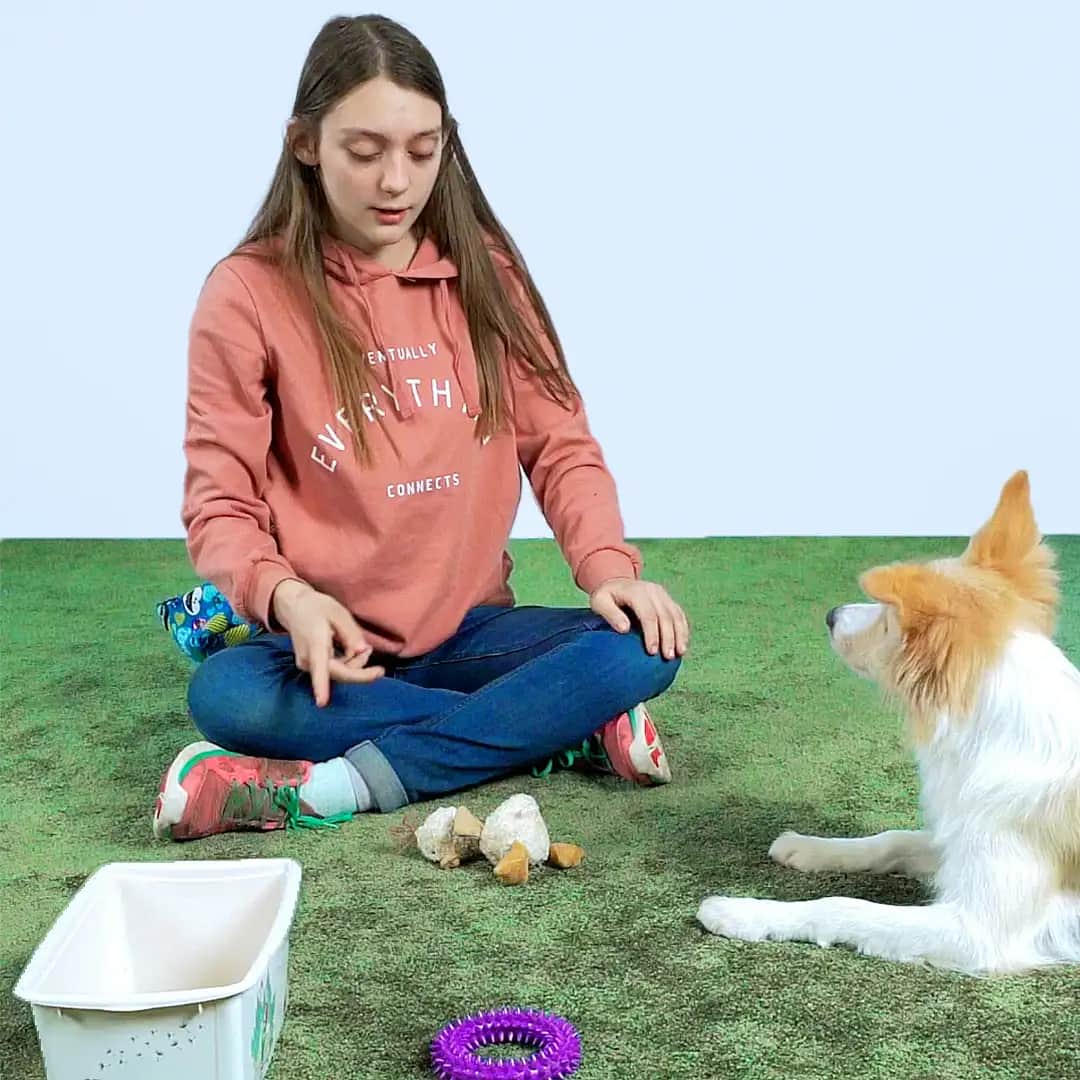
A food dummy is your best training tool. Start by showing your dog the retrieve toy. Let them sniff it and get familiar with it.
Play with the toy yourself while your dog watches. Shake it, toss it, and ham it up to spark their curiosity. The goal is to make it irresistible.
Fill the dummy in front of your dog with tasty treats. Tripe has a strong smell that really cranks up the dummy's appeal. Any snack your dog loves but rarely gets will work, though.
Let your dog eat a little from the dummy right away. This helps them realize the dummy is absolutely worth paying attention to.
Step 2: Throw the Food Dummy
Start by playing interactively with the toy, a quick tug game works great to build your dog's excitement.
Now clip on the long leash. Toss the food dummy a short distance and pair it with a verbal command like "fetch it" or "get it." Keep the long leash loose.
Step 3: Give Up the Dummy
Once your dog grabs the dummy, praise them enthusiastically and call them back. Say "Drop it!" and take the dummy from their mouth.
When it works, reward them with a treat right away. This teaches your dog that handing over the "prey" pays off. Practice these three steps until your dog nails them every time.
Gradually increase the throwing distance and exercise complexity once your dog has the basics down. Lean on positive reinforcement, praise and rewards make training enjoyable.
Not every dog learns at the same speed. Be patient and match the pace to your dog's abilities and interest.
Step 4: Practice Fetch Off-Leash
Now you can ditch the long leash. Your dog likely won't bolt with the dummy anymore, they know handing over the "prey" earns them a tasty reward.
- Tell your dog to "sit" and walk away from them.
- Crouch down and place the food dummy on the ground in front of you.
- Call your dog over.
- Let them pick up the food dummy.
- Have them hand it over with "drop it!" as usual.
Praise your dog when they pull this off and give them treats from the food dummy.
Step 5: Increase the Distance
Now stretch the gap between your dog and the dummy:
- Tell your dog to "sit."
- Walk away with the food dummy and place it several yards out. Then keep walking.
- Or hide the dummy while your dog watches. Most dogs love search games, and it adds great variety to training.
Use the command "Bring it!" or "Find it!" to send your dog after the retrieve item.
Advanced Techniques
Once your dog has the basics down, it's time to level up with new challenges and variety.
- Fetch with obstacles: Set up hurdles or tunnels your dog has to navigate to reach the toy. Great for agility and fitness.
- Return to hand: Teach your dog to place the toy directly in your hand or into a container.
- Fetch on command: Have your dog wait at a distance until you give the signal. This builds serious impulse control and focus.
- Extend the throwing distance: Gradually increase how far you throw. It pushes your dog physically and keeps things interesting.
- Advanced hide and seek: Stash the retrieve toy in trickier spots, bushes, behind objects, under benches. This sharpens your dog's nose work.
- Obstacle course retrieves: Add hurdles, tunnels, or slalom poles between your dog and the toy. This develops agility and coordination.
- Stack commands: Combine fetch with "sit," "stay," or "down." This improves obedience and impulse control in one session.
Ramp up the difficulty slowly to avoid overwhelm. Watch your dog's signals and adjust accordingly. Keep sessions entertaining and varied, fun always comes first.
Prefer a more visual approach? Our app offers step-by-step video instructions to help you teach your dog to fetch. Discover the Hundeo dog training app
Boosting Motivation
Keeping your dog's motivation high is the secret to enjoyable, productive fetch training. Use rewards strategically, treats, praise, or their favorite toy whenever they bring the retrieve item back. This locks in the behavior you want.
Turn fetch into a game your dog can't resist. Hide the toy, switch up the throwing direction, and keep them guessing. Show your excitement when they nail it, your enthusiasm is contagious.
Stay consistent with positive reinforcement. Every time your dog does what you want, give them immediate positive feedback. Your energy and attitude matter more than you think, be lively and encouraging with your voice and body language.
Show your dog that fetch is a blast. Laugh and play during training to create a positive vibe. Switch up toys and locations to keep boredom at bay.
Tailor the training to your dog's preferences. Some dogs gravitate toward certain toys or games. And celebrate every win, no matter how small, those little victories keep motivation rolling.
By combining smart rewards, playful variety, and genuine enthusiasm, you'll supercharge your dog's motivation. A positive, energizing training environment sets both of you up for success.
Common Challenges and Solutions
Fetch training doesn't always go smoothly, and that's normal. Most problems are fixable with patience and the right approach. Here are the most common hiccups and how to handle them.

1. Won't Bring the Toy Back
- Problem: Your dog grabs the toy but won't return it.
- Solution: Try using two identical toys. When your dog grabs the first one, show the second and call them back. Swap when they reach you. This teaches them that returning the toy means more play.
2. Zero Interest in the Toy
- Problem: Your dog couldn't care less about the retrieve toy.
- Solution: Experiment with different toys to find what clicks. Some dogs go crazy for balls, others prefer frisbees or stuffed toys.
3. Gets Distracted Easily
- Problem: Your dog loses focus and wanders off mid-session.
- Solution: Start in a quiet, distraction-free spot. Gradually introduce distractions as your dog builds confidence.
4. Over-the-Top Excitement
- Problem: Your dog gets so amped up they jump on you or snap at the toy.
- Solution: Work on impulse control. Practice "sit" or "stay" before every throw. Reward calm behavior before and after each retrieve.
5. Tiredness or Overwhelm
- Problem: Your dog shows signs of fatigue or overwhelm.
- Solution: Respect your dog's limits. Keep sessions short and wrap up before your dog hits the wall. A tired dog doesn't learn well.
What If My Dog Runs Off With the Food Dummy?
This is a common issue early in training. Some dogs try to snag the dummy and crack it open on their own to get at the treats.
Use a sturdy training dummy. Your dog needs to learn that only you can open it and dish out the goods.
If your eager pup does bolt with the food pouch, the long leash keeps them in check.
Here's what to do:
- Walk over to your dog calmly.
- Use the "drop it" command to get them to release it.
- If they comply, open the dummy and reward them.
This shows your dog they need you. The only way to get those treats is by working with you.
Your dog shows no natural interest in fetch? A clicker can change that.

At first, the food dummy is just a random object to your dog. Targeted clicker training flips that switch.
Train with the clicker until your dog understands the dummy is something special.
With the clicker, you'll teach your dog to:
- pick up the dummy
- hold it without chewing it apart, and
- bring it back to you.
Setting Up Clicker Training
A few tips to set yourself up for success:
- Make sure your dog is well-rested and alert. A focused dog learns faster.
- Pick a quiet room at home for training.
- Cut out background noise and other distractions.
- Hold the food dummy and show it to your dog. Do they look at it? Click and reward that attention with a treat.
- Once your dog has this down, only reward them when they actually touch the dummy.
- Next comes holding. The real goal is for your dog to hold the retrieve item in their mouth briefly (without gnawing on it!) and then hand it to you. Only click when your dog holds the item and delivers it to your hand. (Tip: hold your hand out clearly at first to guide them.)
Once your dog has this nailed, start increasing the distance. Build it up gradually so each session gets a little more challenging and exciting.
Prefer a more visual approach? Our app offers step-by-step video instructions to help you teach your dog clicker training. Discover the Hundeo dog training app
Safety and Health Tips
Fetch is a great activity, but safety comes first. Make sure the retrieve toy is durable, size-appropriate, and free of small parts that could be swallowed.
Pick a safe location for training. Check the area for hazards like sharp objects, deep water, or busy roads.
Watch for overheating, especially on hot days. Offer regular water breaks and shade. Factor in your dog's age and health, older dogs or those with health issues may need lighter, shorter sessions.
Don't skip warm-ups and cool-downs. They prevent muscle injuries. Watch for signs of exhaustion or discomfort, and call it quits if your dog seems tired or reluctant.
Keep up with regular vet check-ups to make sure your dog is fit for active play. For high-energy and older dogs, monitoring joint health is especially important. Joint supplements can help if needed.
How Do I Teach My Dog to Fetch?
There are several methods, but the easiest is using a food dummy filled with treats. Check out the detailed step-by-step guide above.
How Do I Teach a Puppy to Fetch?
The same food-dummy method works for puppies, with one key difference: puppies have shorter attention spans, so keep sessions brief. See the full guide above for details.
Is Fetch Good for Dogs?
Absolutely. Fetch offers a ton of benefits:
- Physical fitness: It keeps your dog active and helps manage weight and endurance.
- Mental stimulation: Each retrieve session challenges your dog's brain and keeps them sharp.
- Stronger bond: Playing fetch together builds trust and deepens your relationship through positive interaction.
- Impulse control and obedience: Practicing commands like "fetch it" and "bring it" during play naturally improves both.
- Stress relief: Fetch helps your dog blow off steam, leading to calmer, more balanced behavior at home.
Bottom line: fetch is one of the best all-around activities for your dog's physical and mental health, and for your relationship.
Why Won't My Dog Fetch?
There are several reasons a dog might refuse to fetch:
- Low interest: Not every dog has a natural drive to retrieve, and that's okay.
- No clear guidance: Without proper training, some dogs simply don't understand what you're asking.
- Health issues: Joint problems, pain, or exhaustion can make fetch uncomfortable or impossible.
- Bad past experiences: Harsh training methods can kill a dog's interest in fetch.
- Too many distractions: A busy environment can wreck your dog's focus.
The reasons range from personality and understanding to health and environment. The good news: most of these are fixable.
The easiest way to get started? Use a treat-filled food dummy. Follow the step-by-step guide above for the full breakdown.
Your Fetch Training Plan
0/6Conclusion
Fetch is one of the most rewarding activities you can share with your dog. It delivers both physical and mental exercise, and it's a ton of fun that brings you closer as a team.
Before you start, make sure your dog has the basic commands down. From there, you can practice anywhere, at home, at the dog park, or on your daily walk.
Remember, fetch is more than a game. It's a platform for learning and growing together. Whether you have a brand-new puppy or a seasoned senior, it's never too late to start, and the benefits are well worth it.
Did you pay attention?
Question 1 of 3In what order do you build up fetching?