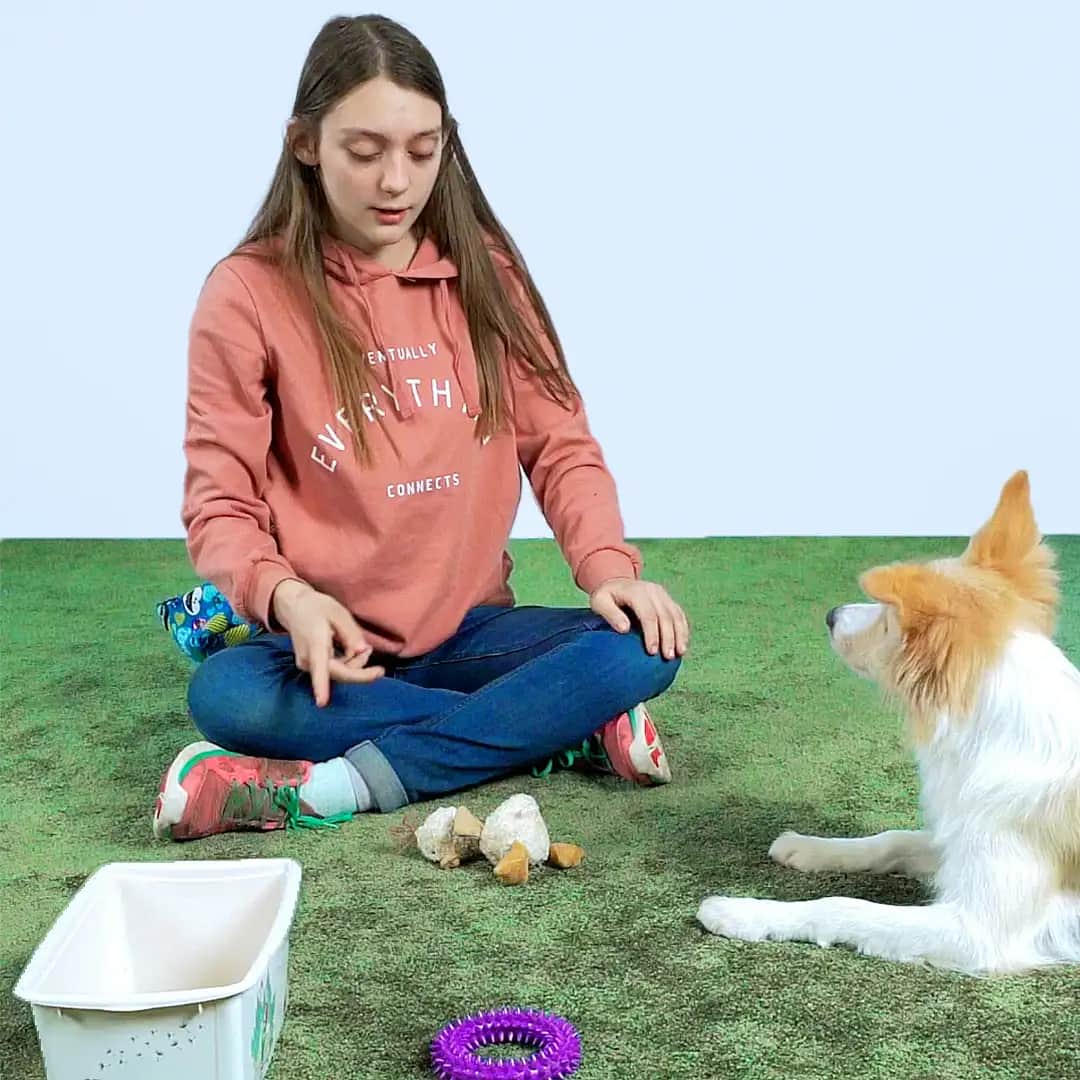

Swimming is easy on the joints, builds muscle, and cools your dog down on hot days. It is one of the best forms of exercise, especially for older dogs and dogs with joint problems. Not every dog is a born water lover: short-nosed breeds (bulldogs, pugs) have trouble in the water because of their body shape, while others simply need more time and encouragement. With the right approach, most dogs learn to feel comfortable in the water.
- Earliest start: after completed basic immunization (around 16 weeks)
- 6 steps: getting used to water, building trust, playing, first swim strokes, rewards, repetition
- Gear: life vest, water toy, treats, towel
- Never force or throw your dog into the water
- Always start with shallow, calm water
- After the swim: rinse off, dry the ears, check the paws
When to start?
After the basic immunization (around 16 weeks), once the vet gives the green light. The socialization phase ends at about 16 weeks. A first positive experience with water during this time can create lifelong acceptance. But older dogs can learn to swim too, it just takes a bit longer.
Important with puppies: Don't overwhelm them. Short sessions of 5 to 10 minutes are enough. Make sure the water isn't too cold. Puppies get chilled faster than adult dogs.
Gear
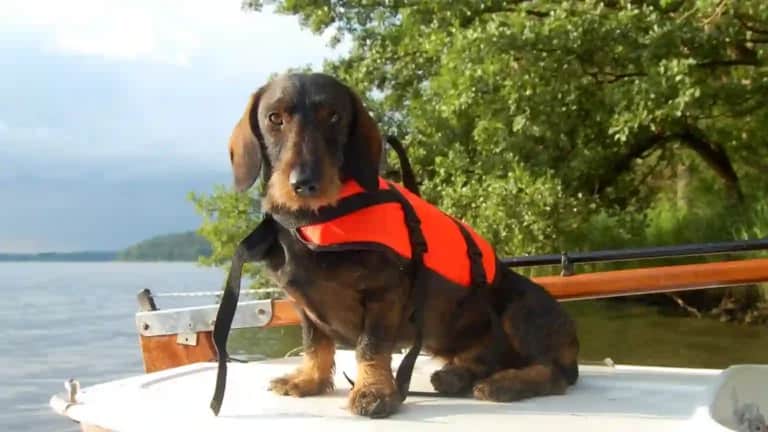
- Life vest: Provides extra buoyancy and is a must for beginners and unsure swimmers. Even experienced swimmers should wear one in unfamiliar waters.
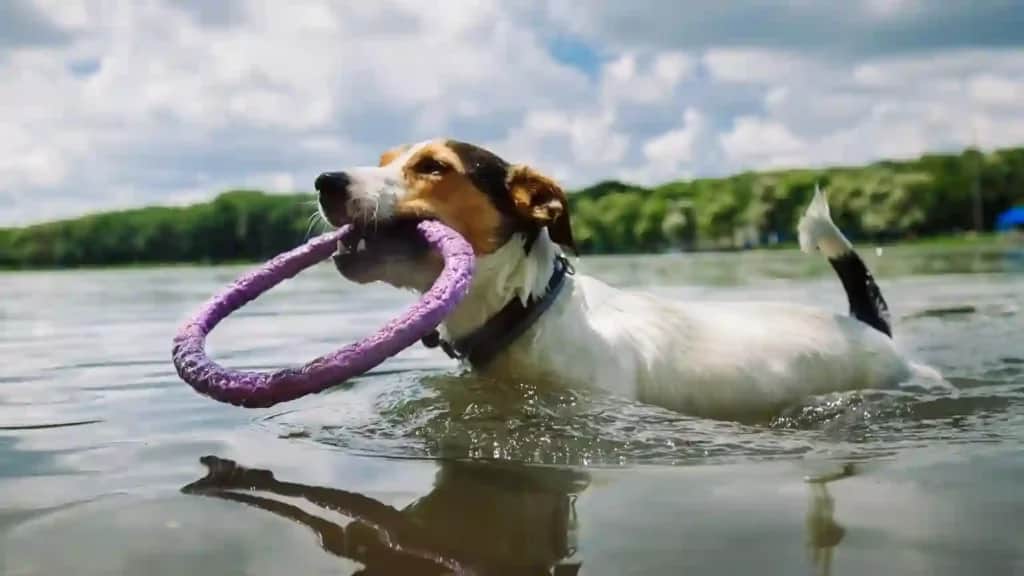
- Water toy: Floating balls or squeaky toys for motivation.
- Treats: For rewarding every bit of progress.
- Towel: For drying off afterward.
The 6 steps
Step 1: Getting used to water. Start at home. A shallow kiddie pool or a large bowl with a little water is enough. Let your dog put its paws in and splash around. Slowly increase the amount of water. No pressure, no force.
Step 2: Building trust at the water. Look for a calm lake or pond with a shallow shore. Go into the water yourself and let your dog follow you. Play with it in knee-deep water. Your presence gives it a sense of security.
Step 3: Playing in the water. Toss a water toy a short distance into shallow water. Your dog should retrieve it without having to swim. Slowly increase the distance so it gradually ventures further into the water.
Step 4: First swim strokes. Once it feels comfortable in shallow water, slowly lead it into deeper water. As soon as it can no longer stand, it will instinctively start to paddle. Support its hips for extra buoyancy until it feels confident. The life vest takes away the fear of sinking.
Step 5: Rewards. Every bit of progress gets rewarded: the first time paws go in the water, the first time a toy is retrieved from the water, the first swim strokes. Treats and praise right after the success.
Step 6: Practice regularly. Short sessions (10 to 15 minutes), repeated regularly. Enough of a break to rest after every session. Better 3 short sessions per week than one long one.
Your training plan
0/6Safety rules
Choose the right spot. Calm lakes or ponds with a shallow shore, no strong current. Crowded or noisy places overwhelm your dog. Special dog swimming pools are a good option.
Check the water quality. Polluted water, blue-green algae, or heavy algae growth are dangerous. When in doubt, don't let your dog swim.
Never throw your dog into the water. That is the surest way to trigger a lifelong fear of water.
Never let your dog swim unsupervised. Even experienced swimmers can get into trouble (current, exhaustion, hypothermia).
After the swim
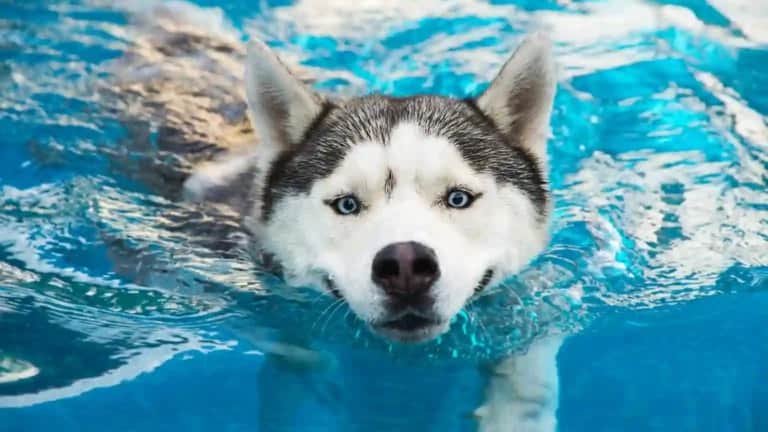
Rinse off. Always rinse with clean water, whether it was a lake, the sea, or a pool. This removes pollutants, salt, chlorine, and algae.
Dry the ears. Water in the ears leads to ear infections. Gently dab dry with a soft cloth. Never put anything into the ear canal.
Check the paws. Look for cuts, foreign objects, or cracks in the pads, especially after swimming along rocky shores.
Offer fresh drinking water. Especially after swimming in salt water.
Keep an eye out. In the hours after swimming, watch for vomiting, diarrhea, or signs of discomfort, especially if your dog swallowed water (water intoxication is rare but dangerous).
Related topics
Were you paying attention?
Question 1 of 3When can a puppy start swim training?
The exercises in this article are an excerpt from the Hundeo course "Dog Sports." With Hundeo Pro, you'll find all the lessons as video guides with a step-by-step build-up, plus training tracking and personal help from real trainers when problems come up.