Key Takeaways
- Why is the "sit" command important? It builds communication and trust between you and your dog, keeps them safe, and helps them settle down.
- How do I teach my dog "sit"? Use treats in a calm, distraction-free space and pair the command with a hand signal. Follow the step-by-step guide below.
- Avoid common mistakes: Never use physical force, stick with patience and positive reinforcement.
- Training sessions: Keep them short and regular (5–10 minutes) in a low-distraction environment.
- Benefits: Strengthens your bond and sharpens your dog's mental and physical skills.
What Is "Sit"?
"Sit" is a basic dog training command where your dog lowers their hindquarters to the ground while keeping their front legs straight. It's one of the simplest and most important commands your dog can learn. It helps them calm down, focus on you, and stay safe, especially in situations like crossing the street.
You can use "sit" on its own or combine it with other commands to create structure and safety for your dog and everyone around them.
Why Is Teaching "Sit" So Important?
Ever notice your dog looking to you when they're unsure about something? Your dog counts on you. Some situations make them uneasy.
Maybe your dog gets nervous around other dogs or when someone knocks on the door. They're wondering how to react. Should they lunge forward and protect you?
When you give the "sit" command, your dog knows you've got it handled. They can relax and let you take the lead. Training has another big benefit, too. Your dog needs mental stimulation just as much as physical exercise. Training lets them use their brain and keeps boredom at bay.
Find the right balance. Train in several short sessions rather than one marathon one. Give your dog enough breaks to absorb what they've learned and recharge. How long each session should last depends on your dog's breed, age, temperament, and health. As a general rule, aim for two to three sessions a day lasting 10 to 15 minutes each.
How Do I Teach My Dog "Sit"?
"Sit" is a great command to start with. "Down" and "stay" come next, but let's not get ahead of ourselves. Let's teach your dog "sit" first.
4-Step Guide
-
The Essential Tool Training should be fun, and what's more fun than a tasty treat? If you want your dog to enjoy training, give them something worth working for. Do you know their favorite treat? If not, experiment a little to find out what gets their tail wagging. The better the reward, the better the results.
-
No Distractions Set up a calm, distraction-free space. This is especially important when you're just starting out. Your dog may not have much patience yet and is easily sidetracked. Let them focus entirely on you and the training. Over time, you can raise the bar by practicing in busier environments.
-
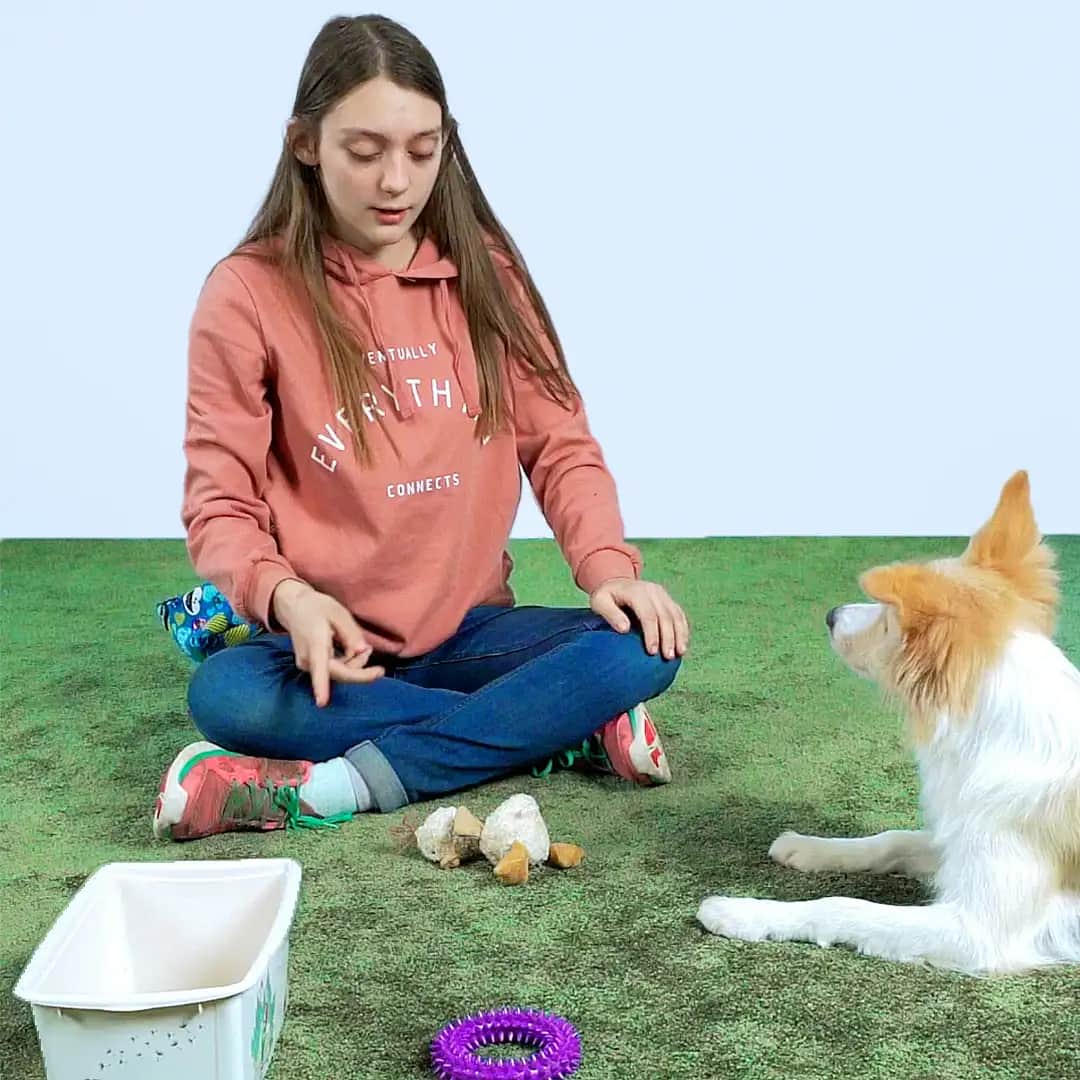
Follow the Nose Hold a treat right in front of your dog's nose. Then slowly raise it up and guide it back over their head. Your dog will follow the treat with their eyes. At some point, they won't be able to keep looking up without shifting their body, and their rear end will drop to the ground. That's it! Reward them right away. Repeat this until they sit on their own. Important: Don't help by pushing their bottom down. Your dog can only truly learn a new behavior when they figure it out themselves and get rewarded for it.
-
Now Add the Command After several successful reps, start saying "sit" (or whatever cue you prefer) right as your dog's rear touches the ground. This helps them connect the word with the action. We also recommend pairing it with a hand signal, like raising your index finger. Many dogs lose their hearing as they age, so teaching a visual cue now means you'll still be able to communicate with your dog in their senior years. Don't forget to release your dog from "sit" with another cue (like "okay") so they know when they're free to move. Want a more visual approach? Our app offers step-by-step video tutorials to help you teach your dog the "sit" command. Discover the Hundeo dog training app
Advanced "Sit"
Increase the distance: Gradually add more space between you and your dog. Start in a quiet room and slowly work up to greater distances and more distracting environments.
Delay the reward: Stretch out the time before you give your dog a treat. Say "sit," wait a few seconds, then reward. This teaches your dog to hold the position patiently until you give the go-ahead.
Add distractions: Practice "sit" in different locations with various distractions to build reliability. Start with calmer settings and slowly dial up the difficulty.
Use variable rewards: Once your dog has "sit" down solid, switch to rewarding them only some of the time instead of every time. This actually makes the behavior stronger, your dog stays sharp because they never know when the next treat is coming.
Remember, every dog is different. Adapt your training to your dog's needs and abilities for the best results.
Tips and Tricks
Rewarding Right: Timing Is Everything
Reward every little bit of progress with a treat. When your dog nails their first sit, make it a big deal, give them a treat, plenty of pets, and tell them they did an awesome job. The key is to reward the behavior the instant it happens. Only then can your dog connect the dots. If you wait until they've already stood back up, they'll think the treat is for standing, not sitting.
Don't Overwhelm Your Dog
Be careful not to push too hard. Train multiple times a day in short, focused sessions (5–10 minutes) so your dog can process what they've learned. If your dog seems unfocused or distracted, you've done too much. Take a longer break. Let them play or just hang out. Always work at your dog's pace, and start in a low-distraction environment where they feel comfortable.
Be Patient and Positive
Not every dog learns at the same speed. Be patient and keep encouraging your dog with praise and rewards. Avoid punishment or scolding, it erodes trust and creates training problems. If you yell at your dog for not following a command, it can lead to fear and insecurity. Stick with positive reinforcement and patience instead.
No Physical Force
Never force your dog into a sitting position. Pushing them down can cause resistance, make training harder, and damage your dog's trust. Instead, use positive reinforcement and guide them into position with treats or hand signals.
End on a High Note
Always wrap up training on a positive note. If something isn't clicking, don't just stop, give a command your dog already knows well and praise them generously for it.
Positive Reinforcement
Praise and reward your dog every time they respond to the cue correctly. Use high-value treats or a favorite toy to keep their attention locked in.
Short and Clear Words
Use simple, clear words for each command, "sit," "down," "come." Avoid long or similar-sounding words since they're harder for your dog to tell apart.
Consistency
Stay consistent with every command. Always use the same word and don't switch between different expressions.
Clear Pronunciation
Say your cues clearly so your dog can understand them. Keep the same emphasis and volume each time.
Repeat, Repeat, Repeat
After that first training session, the name of the game is consistency. Your dog just learned "sit", but they'll forget it within a few days if you don't practice. That's why you should repeat new commands daily, especially in the beginning.
Teaching a Puppy to Sit
There are a few differences between teaching "sit" to a puppy versus an adult dog:
- Patience: Puppies need more patience because they're young and inexperienced. Adult dogs may already know some basics and can pick things up faster.
- Attention span: Puppies have shorter attention spans than adult dogs. Keep training sessions brief and include more breaks.
- Rewards: Both puppies and adult dogs learn best with rewards, treats, praise, or petting all work. For puppies, choose small, soft treats that are easy to chew and swallow.
- Consistency: Consistency matters for both. Always give the "sit" command the same way and reward success. For puppies, it's especially important to build a solid routine early on.
- Socialization: Puppies need more time to get used to different environments, people, and animals. Practicing in various settings builds their confidence. With well-socialized adult dogs, you can ramp up the difficulty faster.
- Reinforcement: For both puppies and adult dogs, regular repetition is key to making lessons stick. With puppies, weave training into daily life so new commands become second nature quickly.
When Should I Start Teaching My Dog "Sit"?
You can, and should, start training your puppy while also working on socialization. Both are essential for raising a healthy, happy, well-trained dog. The first few months of a puppy's life are critical for learning basic commands and social skills. Puppies can start learning as early as 7 to 8 weeks old. You can teach them basics like "sit," "down," and "come." Keep sessions short and playful, 5 to 10 minutes, so you don't overwhelm their attention.
At the same time, socialization is a top priority. In the first 3 to 4 months, expose your puppy to different people, animals, environments, and sounds. Good socialization helps them feel confident and relaxed in all kinds of situations. You can combine socialization and training by bringing your puppy along when visiting friends or family. Let them meet new people and animals, and practice commands in different settings to reinforce them.
Bottom line: Start both training and socialization early so your puppy grows into a confident, happy dog.
Can I Start Dog Training with a Different Command?
Yes, you can. But "sit" is an ideal first command because it's relatively easy to learn and gives your dog a quick win. Starting with something simple sets the tone for enjoyable future training sessions. Plus, "sit" lays the groundwork for learning "down" and "stay."
My Dog Is So Well-Behaved, Do I Still Need to Train?
Absolutely. Even a well-behaved dog benefits from training. It keeps their mind sharp, gives them the right amount of activity, and provides a great way to strengthen the bond and trust between you two.
Doesn't It Depend on the Breed and Personality How Much Training My Dog Needs?
Yes and no. Some breeds are known for high energy or independence and may need more training and attention. And just like people, dogs have different personalities and learning speeds. That said, basic commands are the foundation of a good relationship and something every dog should know.
How Long Does It Take Until My Dog Reliably Follows the "Sit" Command?
That depends on several factors, your dog's breed, age, and your own consistency. Generally, you should see progress within a few training sessions. The key is to stay patient and practice regularly.
What Do I Do If My Dog Backs Up or Jumps Instead of Sitting?
If your dog tends to back up instead of sitting, try practicing in front of a wall or corner. The barrier keeps them from retreating and encourages them to sit. If your dog jumps up to grab the treat, hold it a bit lower and don't pull it away. Reward them the instant they sit, even if it's only for a second.
Should I Always Use Treats, or Can I Use Other Rewards?
Treats work great, but you can also reward your dog with petting, praise, playtime, or a favorite toy. Figure out what motivates your dog and mix up the rewards to keep training fresh and interesting.
Can an Older Dog Still Learn the "Sit" Command?
Yes! Older dogs can absolutely learn new commands, it may just take a little more time. Be patient and consistent, and tailor the training to your senior dog's needs and abilities.
Conclusion
The "sit" command is often the gateway to dog training and one of the most fundamental skills your dog can learn. It's easy to teach and delivers quick results, which keeps both of you motivated to keep going. Learning new skills is vital for your dog's mental development and social behavior. Your dog learns that you can guide them and that they can count on you. That sense of security leads to a calmer, more balanced temperament.