
Your dog can do more than you think. The first time they wave at you on cue or pull a sock off your foot, you will quickly see how much fun trick training is for both of you. Here you will find 32 tricks, from your first "sit" to the ultimate challenge.
- 32 tricks sorted by difficulty: 4 basic commands, 13 easy tricks, 15 advanced tricks
- Training sessions: 5 to 10 minutes, then take a break
- Always work with rewards (treats, praise, toys)
- One trick per week is a good pace
- A clicker helps with reward timing
- Do not move to the next step before the current one is solid
Before You Start
- Your dog knows a marker signal (clicker or marker word like "Yes!")
- You have small, soft treats ready (not the daily ration)
- Train in a quiet environment without distractions
- Your dog is awake and motivated, not tired or overstimulated
Equipment: Clicker (or marker word), small treats, target stick (for advanced tricks), stable mat.
Training plan: One new trick per week. 2 to 3 short sessions (5 to 10 minutes) per day. Always end with a trick your dog already knows, so the session finishes on a positive note.
Basic Commands
These four commands are the foundation for all other tricks and for safety in everyday life. Most dogs learn them in 1 to 3 sessions. The full overview of all 7 basic commands with hand signals and training plans is in the article Dog Commands.
1. Sit
Hold a treat above your dog's head and slowly move your hand upward. Your dog follows the treat with their nose and automatically sits down. Reward immediately. Over time, add a hand signal (raise flat palm) and the word "sit." Then practice under distraction.
2. Down
From the sit position: draw a treat in front of your dog's nose slowly to the ground (slightly angled toward them). They follow the treat and lie down. Once chest and belly touch the floor: say "down" and reward. Gradually guide a flat hand without a treat to the ground to establish the hand signal.
3. Stay
Put your dog in a sit, hold your hand like a stop sign in front of them and say "stay." Practice in small increments: first 2 seconds, then 5, then 10. Only increase time and distance when the previous step is reliable. If they get up without permission: go back to the previous step, no scolding.
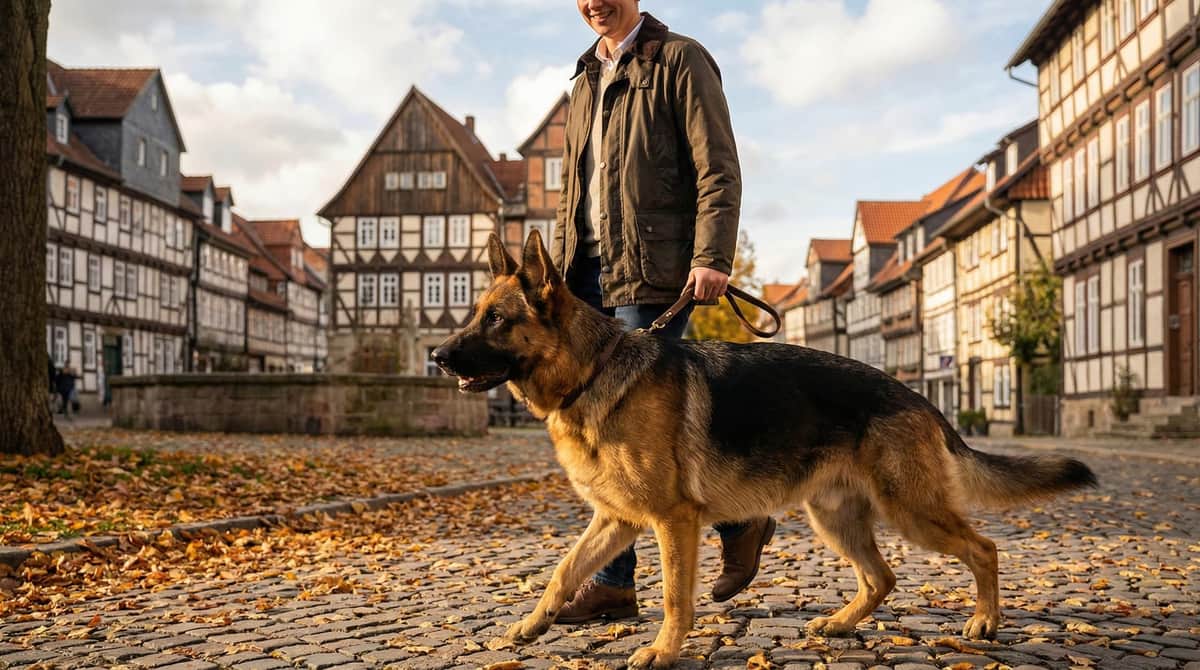
4. Heel
Hold a treat in your left hand at your hip. Your dog walks beside you, oriented toward your hand. Reward every 2 to 3 steps. Then: increase the steps between rewards. Introduce the verbal cue "heel." Vary speed and direction. Practice without distractions first, then in busier environments.
In the Hundeo App you will find all 4 basic commands as videos with hand signals shown on screen and clear timing guidance. You can see exactly when to click and reward.
Easy Tricks (1 to 7 Days)
These tricks only require "sit" as a foundation. Expect 3 to 7 days of daily practice.
5. Paw
Hide a treat in your closed fist in front of your dog. At first, reward any paw movement toward your hand. Later, only when the paw touches your hand. Then: hold out an empty, closed fist. Finally, open your hand until they place their paw in your flat palm. Verbal cue: "paw."
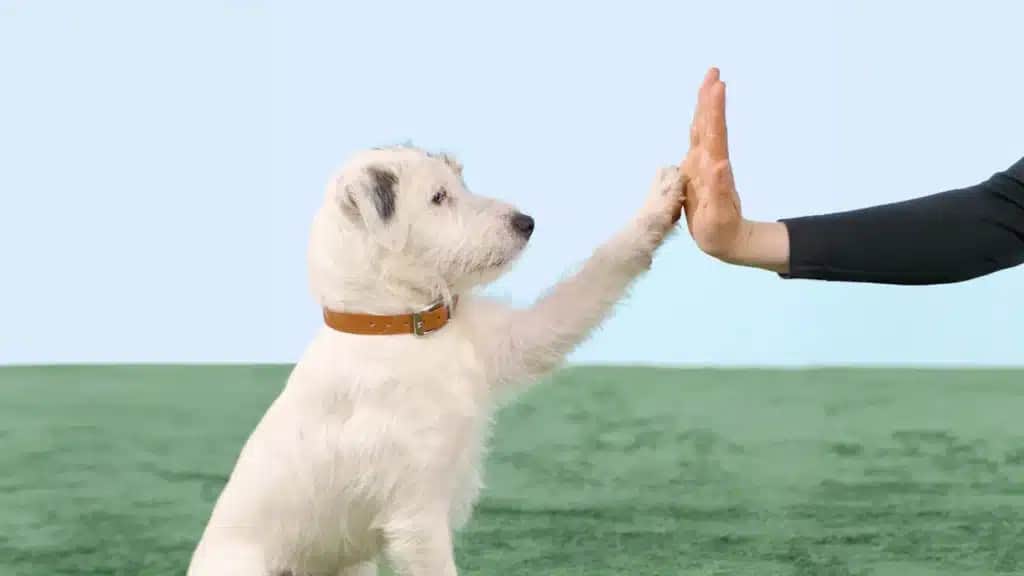
6. High Five
Building on "paw": raise your hand step by step. Start at collar height, rotating your hand further upward each time. Once your hand is vertical and your dog touches it with their paw, introduce the verbal cue "high five."
7. Beg
From the sit position: hold a treat above your dog's head so they rise onto their hind legs. At first, reward even small upward movements. Gradually lure higher. Introduce the verbal cue "beg." Only practice on soft ground and do not make them hold the position too long. Not suitable for dogs with back problems.
8. Roll Over
Your dog is lying in "down." Guide a treat from their nose over their shoulder to the side. They roll onto their back. Keep guiding until they have completed a full roll. Reward. At first, reward the half roll and increase gradually. Introduce the verbal cue "roll over." Practice on soft ground.
9. Speak
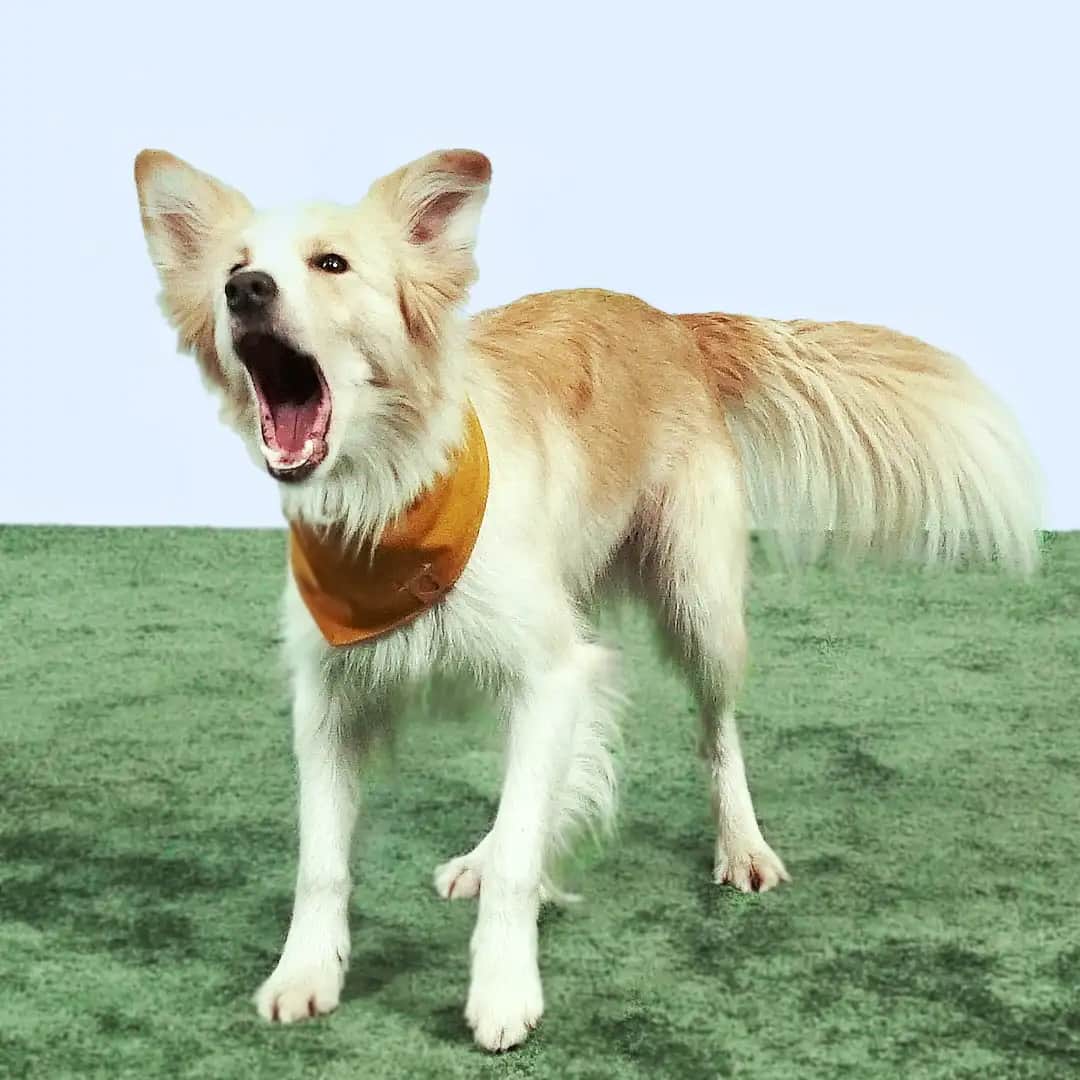
Wait for a situation where your dog barks on their own (e.g., doorbell). The moment they bark: click and treat. Repeat until they understand the connection. Then: introduce the verbal cue "speak" and a hand signal (e.g., opening and closing your hand). Always train a "quiet" command alongside this.
10. Stop
Practice on leash. Say "stop" loudly and stand still. If your dog also stops: reward. Gradually increase the distance (a long line helps). Then: say "stop" without stopping yourself. Always use a release cue ("go" or "free") so they know when to move again.
11. Nose Boop
Hold a treat against your nose. Your dog wants it and touches your nose with theirs. Reward. Then: guide an empty hand to your nose. If they still boop: introduce the verbal cue "boop." Gradually reduce the hand guidance until they respond to the verbal cue alone.
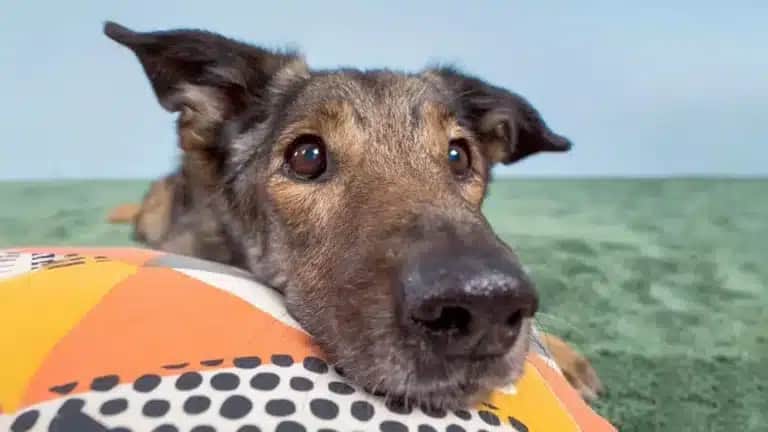
12. Chin Rest
Hold out your open palm and lure your dog's chin onto it by holding a treat on it. When they rest their chin: reward. Verbal cue "chin" or "rest." Then introduce new surfaces (place your hand on a cushion, withdraw your hand). Eventually they rest their chin on any surface you point to.
13. Twist
Hold a treat in front of your dog's nose and make a circular motion with your hand around them. They follow the treat and spin in a circle. Reward. Practice in both directions and at varying speeds. Then: empty hand, verbal cue "twist." Gradually reduce the hand guidance.
14. Walk Backwards
Hold a treat in your hand and take small steps toward your dog. Praise the moment they take 1 to 2 steps backward. If they struggle, place barriers on both sides so they can only move backward. Introduce the verbal cue "back." Gradually reduce hand guidance.
15. Into the Collar
Make the collar as large as possible and lay it on the ground. Place treats so your dog has to push their nose through the opening. Then: hold the collar in front of their nose, feed treats through the opening. Once they voluntarily push their nose through: introduce the verbal cue "collar." Gradually pull it over their head and adjust to the correct size.
16. Floor Target
Place an object (book, lid) as a target on the ground. Draw attention to it by playing with it. The moment your dog puts one paw on it: reward. Both paws on it: double reward. Introduce the verbal cue "target" and guide them to the object with a treat. Reduce hand guidance until they only need the verbal cue.
17. Go Around
Lure your dog with a treat in your hand once around you. When they have completed a circle: reward. Then: empty hands, verbal cue "around." Gradually reduce hand guidance until they circle around you on command alone.
Your dog has mastered paw, roll over and twist? Then you are ready for the next level. In the Hundeo App you can see at a glance which tricks are solid and which still need practice.
Advanced Tricks (1 to 4 Weeks)
These tricks build on multiple foundations or require more patience. Expect 1 to 4 weeks of daily practice.
Only train tricks involving jumps, fast turns, or walking backwards once your dog is fully grown (from 12 months, for large breeds from 15 to 18 months). For dogs with joint problems, back issues, or after surgery, consult your vet first.
18. Middle
Your dog walks between your legs. Place them in front of you, turn your back to them, and lure them from behind through your legs with a treat. Verbal cue "middle," reward. Then: stand sideways and face your dog, luring them through your legs with a treat. Finally: practice while walking until they walk between your legs on command.
19. Weave
Your dog weaves in a slalom through your legs. Stand with your legs wide apart and lure them with a treat alternating through your legs. Reward each pass. Then: practice while walking, slowly at first, then faster. Introduce the verbal cue "weave." Gradually replace treats with hand signals.
20. Jump
Only from 12 months (later for large breeds) to prevent joint damage. Use a treat or toy to encourage jumping up. Verbal cue "hop." Repeat until your dog only needs the verbal cue and a hand motion. Reward immediately after each jump.
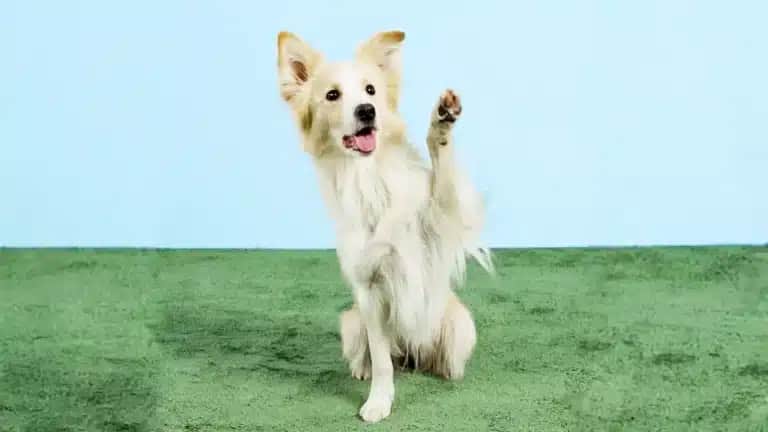
21. Wave
Prerequisite: "paw" and "high five." Hold your hand in front of your dog and cue "paw," but do not let them touch your hand. As they try to reach it, they wave. Introduce the verbal cue "wave" and reward this motion. Gradually move your hand further away.
22. Tidy Up
Prerequisite: your dog can pick up objects and hold them in their mouth. Hold a box under their muzzle and say "drop." The toy falls into the box. Reward. Then: place the box on the ground and have your dog carry the toy to it. Verbal cue "tidy up." Gradually increase the distance to the box.
23. Cover Nose
Stick a small piece of tape or a sticker on the bridge of your dog's nose. They swipe at it with their paw. At that moment: click and treat. Repeat until they show the paw motion consistently. Introduce the verbal cue "shame." Gradually phase out the tape. This trick often takes 1 to 2 weeks.
24. Whisper
Teach your dog to push their nose through a circle made by your fingers (lure with treats). Gradually move your hand closer to your ear. Then: hold your open hand against your ear. When they bring their nose there: introduce the verbal cue "whisper." Eventually they hold their muzzle against your ear on command.
25. Stick Out Tongue
Let your dog lick briefly at a nearly empty yogurt cup. Take the cup away. They lick their chops. At that moment: click/praise and treat. Repeat until they lick their chops as soon as you hide the cup. Introduce the verbal cue "tongue." Gradually phase out the cup until they respond to the verbal cue alone.
26. Walk Slowly
Stand 1 to 2 meters in front of your dog and call them. When they start moving, signal with your hand that they should slow down. Reward immediately when they brake. Walk backward and let them follow slowly. Introduce the verbal cue "easy." Gradually reduce the hand signal.
27. Bow
Hold one arm under your dog's belly. With the other hand, guide a treat from their nose downward. They bow automatically while the arm prevents them from lying down fully. Introduce the verbal cue. Gradually reduce the arm support under the belly. If they lie down anyway: correct the position, do not scold.
28. Take Off Socks
Prerequisite: the dog can hold objects in their mouth and tug. Draw their attention to a sock in your hand. Reward when they take it in their mouth. Encourage tugging. Then: pull the sock over your foot. Verbal cue "sock" or "pull." Reward every tug attempt at the foot. Gradually reduce your help.
29. Look Left-Right
For this you need a target stick (or wooden spoon) and a clicker. Click and reward each time your dog brings their nose to the target. Alternate between right and left. Then: practice only the left side with the verbal cue "left." Then only right with "right." Gradually replace the target stick with hand signals.
30. Jump on Platform
Place a sturdy box on the ground. Lure the front paws onto it with a treat, reward. Then pull the treat further over the box so the dog jumps up fully. Verbal cue "hop" plus reward. Gradually replace luring with hand signals and the verbal cue.
31. Around the Tree
Practice indoors first: lure your dog with a treat around a large object (backpack, chair). Reward. Then with empty hands. Outdoors: lure with a treat around a thin tree. Verbal cue "tree." Drop the treat, practice on thicker trees.
32. Slow Reverse Around You
The ultimate challenge. Prerequisite: "walk backwards" and "go around" must be solid. Stand sideways to your dog and lure them backward around you with a treat. Only reward when they are actually moving backward. Verbal cue "back around." This trick requires a lot of patience, expect 2 to 4 weeks of daily practice.
Your Trick Progress
0/32Common Trick Training Mistakes
| Mistake | Why it does not work | Solution |
|---|---|---|
| Sessions too long | Concentration drops sharply after 10 minutes | 5 to 10 minutes max, then take a break |
| Rewarding too late | Dog associates the reward with the wrong action | Use a clicker or marker word, within 1 second |
| Progressing too fast | Dog does not yet understand the current step | Go back one step, build success there |
| Practicing under distraction | Dog cannot concentrate | Practice indoors without distractions first, then increase gradually |
| Showing frustration | Dog loses interest in training | Always end with something easy, never scold |
When to stop: If a trick shows no progress after 3 sessions, rethink the approach. Maybe a step is missing, or the dog is physically unable to perform it (e.g., short-nosed breeds with nose tricks).
If you want to keep going after these 32 tricks, the Hundeo App has 77 more tricks with video instructions and clear step-by-step guidance. The app tracks your progress and shows you which trick to try next.
Quick Quiz
Question 1 of 3How long should a trick training session last?
In Hundeo Pro every video lesson shows you the timing and body language that make the difference. Real trainers help when you get stuck.